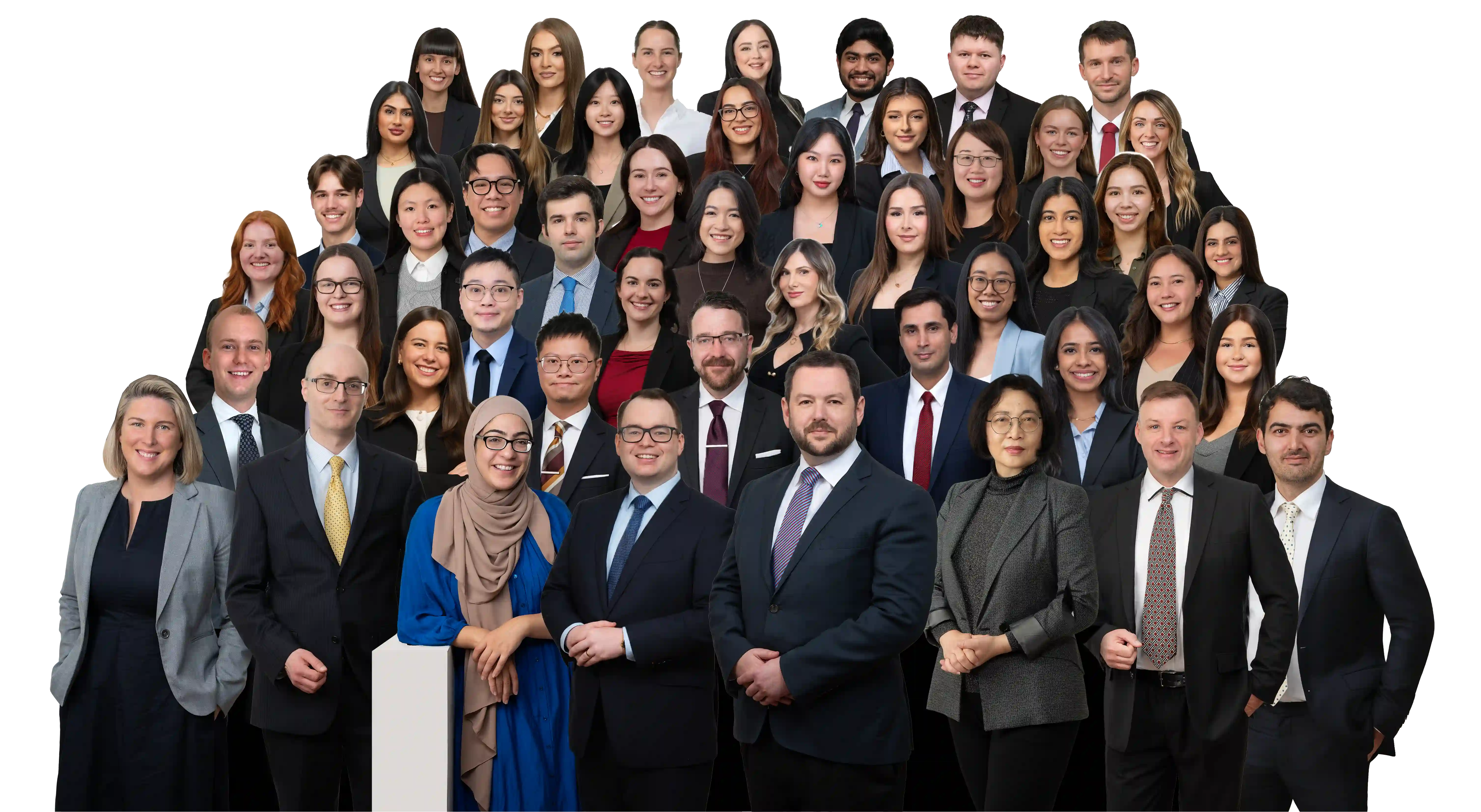
Công ty luật di trú độc lập lớn nhất tại Úc. Nhận tư vấn MIỄN PHÍ ( Áp dụng các điều khoản và điều kiện)
Cần giúp đỡ? Các luật sư và đại lý di trú của chúng tôi luôn sẵn sàng hỗ trợ 7 ngày một tuần.


Hãy cho chúng tôi biết về tình hình của bạn và luật sư di trú của chúng tôi sẽ sớm phản hồi bạn.
Hãy cho chúng tôi biết về tình hình của bạn và luật sư di trú của chúng tôi sẽ sớm phản hồi bạn.


Đơn vị được đề cử Giải thưởng “Best of Business” năm 2026 của Telstra

Judicial Review of Migration Decisions in Brisbane Courts
If your visa or migration matter has been refused by the Administrative Review Tribunal (ART), you may still have legal options through a migration court review. Our Brisbane migration court review lawyers provide expert advice on whether a tribunal decision contains a legal error and whether it can be challenged in court. We help prepare judicial review applications, legal arguments, and court representation to make sure your case is properly presented before the Federal Circuit and Family Court of Australia (FCFCOA) or the Federal Court.

Được vinh danh trong danh sách “Best Lawyers” các năm
, 2026 và 2027
.png)
Người đoạt giải “
” tại Lễ trao giải Luật Úc
.webp)
Được bình chọn là các công ty luật chuyên về lĩnh vực “
” hàng đầu tại Úc năm 2027

Được xếp hạng trong cuốn “
” của Doyle về các luật sư hàng đầu chuyên về di trú tại
giai đoạn 2023–2026
Hãy cho chúng tôi biết về tình hình của bạn và chúng tôi sẽ sớm liên hệ lại với bạn.
Hãy cho chúng tôi biết về tình hình của bạn và chúng tôi sẽ sớm liên hệ lại với bạn.


Không có chi phí ẩn cho các dịch vụ của chúng tôi. Phí của chúng tôi được quy định rõ ràng trong một thỏa thuận phí.

Từ phản hồi đầu tiên trong ngày về việc cấp thị thực Úc cho bạn, bạn sẽ được liên hệ trực tiếp với luật sư.

Các luật sư giàu kinh nghiệm của chúng tôi sẽ cung cấp cho bạn thông tin cập nhật thường xuyên và giải thích rõ ràng về các lộ trình thị thực.

Chúng tôi cung cấp một đảm bảo sự hài lòng của khách hàng liên quan đến các dịch vụ xin thị thực của chúng tôi.

Có tùy chọn trả góp trong 3 - 6 tháng đối với một số loại thị thực.
Trong buổi gặp mặt đầu tiên, bạn sẽ trao đổi trực tiếp với một luật sư chuyên về di trú, người sẽ giải thích cách thức hoạt động của các dịch vụ của chúng tôi, thảo luận về các lựa chọn của bạn và hướng dẫn bạn trong suốt quá trình. Bạn cũng sẽ được thông báo trước về mức phí cố định cho các công việc tiếp theo. Việc có cái nhìn rõ ràng về các lựa chọn và một kế hoạch cụ thể là rất quan trọng khi làm thủ tục xin thị thực, thường trú hoặc quốc tịch. Chúng tôi cung cấp các phương thức thanh toán linh hoạt; bên cạnh sự hỗ trợ tận tình trực tiếp, chúng tôi còn có các cuộc hẹn trực tuyến để thuận tiện cho bạn.

Tầng 4/260 Đường Queen, Brisbane QLD 4000

Hãy gọi cho chúng tôi theo số 1300 207 442

Thứ Hai – Thứ Sáu: 9 giờ sáng – 6 giờ chiều
Thứ Bảy – Chủ Nhật: 9 giờ sáng – 1 giờ chiều

Bãi đậu xe an toàn tại Bãi đậu xe Queen St (đi bộ 8 phút)

Chuyển khoản ngân hàng, thẻ tín dụng (Mastercard, VISA hoặc AMEX), có thể thanh toán thành 3–6 kỳ hàng tháng trong một số trường hợp

Thị thực dành cho người phối ngẫu và bạn đời chung sống cho phép vợ/chồng hoặc bạn đời chung sống của công dân Úc hoặc thường trú nhân Úc sinh sống tại Úc, dù là tạm thời hay vĩnh viễn. Chúng tôi hỗ trợ thủ tục nộp đơn và kháng cáo, đảm bảo các bằng chứng về mối quan hệ được chuẩn bị và trình bày một cách đầy đủ và chính xác.
Visa đối tác
Thị thực bảo vệ dành cho những người cần sự bảo vệ của Úc do có lo ngại chính đáng về nguy cơ bị tổn hại tại quốc gia gốc của họ. Chúng tôi cung cấp sự hỗ trợ pháp lý chu đáo và chuyên nghiệp trong suốt quá trình nộp đơn.
Visa bảo vệ
Thị thực do nhà tuyển dụng bảo lãnh cho phép các nhà tuyển dụng Úc bảo lãnh lao động có tay nghề cao nhằm giải quyết tình trạng thiếu hụt lao động. Chúng tôi hỗ trợ cả nhà tuyển dụng và người lao động trong việc tuân thủ các nghĩa vụ bảo lãnh và đáp ứng các yêu cầu về thị thực.
Thị thực do nhà tuyển dụng bảo lãnh
Thị thực định cư tay nghề cho phép những lao động đủ điều kiện sinh sống và làm việc tại Úc dựa trên kỹ năng, bằng cấp và kinh nghiệm của họ. Chúng tôi tư vấn về các lộ trình định cư tay nghề và các vấn đề liên quan.
Thị thực định cư cho lao động có tay nghề-p-2000.webp)
Quy trình kháng cáo theo Đạo luật về Nhập cư và Tị nạn (ART) cho phép người nộp đơn yêu cầu xem xét độc lập đối với một số quyết định từ chối hoặc hủy bỏ thị thực do Bộ Nội vụ ban hành, thông qua việc đánh giá lại vụ việc dựa trên các tình tiết thực tế và quy định pháp luật. Chúng tôi đại diện cho khách hàng trong các vụ việc tại Tòa án Xem xét Hành chính, chuẩn bị các bản trình bày chiến lược và lập luận để xây dựng lập luận vững chắc nhất có thể.
Lời kêu gọi ủng hộ ART%20(1)-p-2000.webp)
Kháng cáo quyết định từ chối cấp thị thực cho phép người nộp đơn yêu cầu xem xét lại quyết định từ chối thông qua các kênh pháp lý thích hợp. Chúng tôi cung cấp dịch vụ tư vấn và đại diện pháp lý để hỗ trợ quá trình kháng cáo.
Kháng cáo quyết định từ chối cấp thị thực-p-2000.webp)
Quốc tịch Úc mang lại cho những cá nhân đủ điều kiện tư cách thành viên chính thức của cộng đồng Úc, kèm theo đầy đủ quyền lợi và nghĩa vụ. Chúng tôi hỗ trợ việc nộp đơn và đánh giá điều kiện đủ tiêu chuẩn.
Quốc tịch Úc
Thị thực gia đình cho phép những người thân đủ điều kiện đoàn tụ với gia đình tại Úc thông qua các lộ trình di cư khác nhau. Chúng tôi tư vấn về các lựa chọn thị thực gia đình và hỗ trợ giải quyết các yêu cầu nộp đơn phức tạp.
Thị thực gia đình
Thị thực dành cho cha mẹ cho phép những bậc cha mẹ đủ điều kiện của công dân Úc hoặc thường trú nhân Úc định cư tại Úc, với điều kiện phải có người bảo lãnh và tuân thủ các quy định nghiêm ngặt về điều kiện đủ tiêu chuẩn. Đội ngũ của chúng tôi cung cấp tư vấn về việc nộp đơn và các phương án xem xét lại hiện có.
Thị thực cho cha mẹ-p-2000.webp)
Việc hủy thị thực có thể xảy ra trong trường hợp không đáp ứng các điều kiện thị thực hoặc các yêu cầu pháp lý. Chúng tôi cung cấp tư vấn khẩn cấp và đại diện pháp lý để giải quyết các vấn đề liên quan đến việc hủy thị thực và bảo vệ tình trạng nhập cư của quý vị.
Hủy thị thực
Thị thực du lịch cho phép mọi người đến Úc với mục đích du lịch, thăm thân hoặc công tác ngắn hạn. Chúng tôi hỗ trợ khách hàng trong quá trình nộp đơn và đồng hành cùng họ khi gặp trường hợp bị từ chối hoặc phát sinh vấn đề.
Visa du lịch
năm kinh nghiệm kết hợp
.webp)
đối với thị thực dành cho vợ/chồng trong các mối quan hệ hôn nhân chân chính và bền vững
.webp)
Luật sư và đại diện pháp lý về di trú đại diện cho khách hàng tại các phiên tòa của hội đồng xét xử và tòa án
.webp)
Công ty luật, được công nhận là luật sư di trú và đại lý di trú hàng đầu

Thị thực du lịch (600)
.webp)
Brisbane

Dòng thời gian:
1 tháng

Ngày 11 tháng 6 năm 2026
.jpg)
Kháng cáo ART
Các kỹ năng đang được săn đón (482)
Brisbane
Dòng thời gian:
6 tháng

Ngày 16 tháng 10 năm 2024
.jpg)
Kháng cáo ART
Quốc tịch Úc
Brisbane
Dòng thời gian:
6,5 tuần
.jpg)
Ngày 16 tháng 10 năm 2024
%20(1).jpg)
.jpg)
Visa đối tác (309/100)
Brisbane
Dòng thời gian:
6 tháng
Ngày 16 tháng 10 năm 2024
Tìm điểm đến của bạn:

Chuyên môn pháp lý của chúng tôi về luật di trú không chỉ giới hạn ở việc hỗ trợ khách hàng tại các thủ phủ của Úc. Chúng tôi cung cấp dịch vụ hỗ trợ toàn diện cho cá nhân, gia đình và doanh nghiệp tại nhiều địa điểm trên khắp cả nước.

Strict time limits apply to migration court review applications. For most matters, an application must generally be filed within 35 days of the date of the decision, under Section 477 of the Migration Act 1958. The court has a discretion to extend this period where it's in the interests of justice to do so, but an extension isn't guaranteed and generally requires a genuine explanation for the delay. Missing the deadline can severely limit your legal options, so it's important to seek advice as early as possible.
Lệ phí nộp đơn tại tòa án liên bang
Effective from 1 July 2026, filing a migration application with the FCFCOA costs AUD $4,180, with a reduced fee of AUD $2,090 available where a Registrar or authorised officer determines you're eligible. Once a matter is set down for hearing, a setting-down fee of AUD $1,035 applies (individuals) or AUD $2,495 (corporations), and a daily hearing fee of the same amount applies for each hearing day after the first. A reduced fee may also apply on financial hardship or concession-card grounds.
Chi phí đại diện pháp lý và chi phí tố tụng
Costs vary depending on case complexity and the level of court involvement.
Chi phí chuẩn bị pháp lý bổ sung
Các công việc này có thể bao gồm soạn thảo văn bản, bản tuyên thệ và các bản trình bày pháp lý của chuyên gia.

Migration court reviews involve complex legal principles and strict procedural rules. Legal representation helps make sure your application is properly prepared, identifies valid legal grounds, and puts your case in the strongest position available. A lawyer can also manage court deadlines, prepare submissions, and represent you effectively during hearings.
We provide experienced legal representation in migration litigation matters, including judicial review applications before the FCFCOA and, where relevant, the Federal Court. Our approach focuses on identifying legal errors, building strong arguments, and guiding clients through complex court processes. We offer clear advice on your prospects, the risks involved, and alternative visa pathways where appropriate.


Migration matters for Brisbane and Queensland are generally heard at the Harry Gibbs Commonwealth Law Courts, 119 North Quay (corner of Tank Street), Brisbane QLD 4000. This is the Court's own registry, not an Australian Migration Lawyers office. Our Brisbane migration lawyers can represent you in proceedings at this registry, including filing, directions hearings, and final hearings.






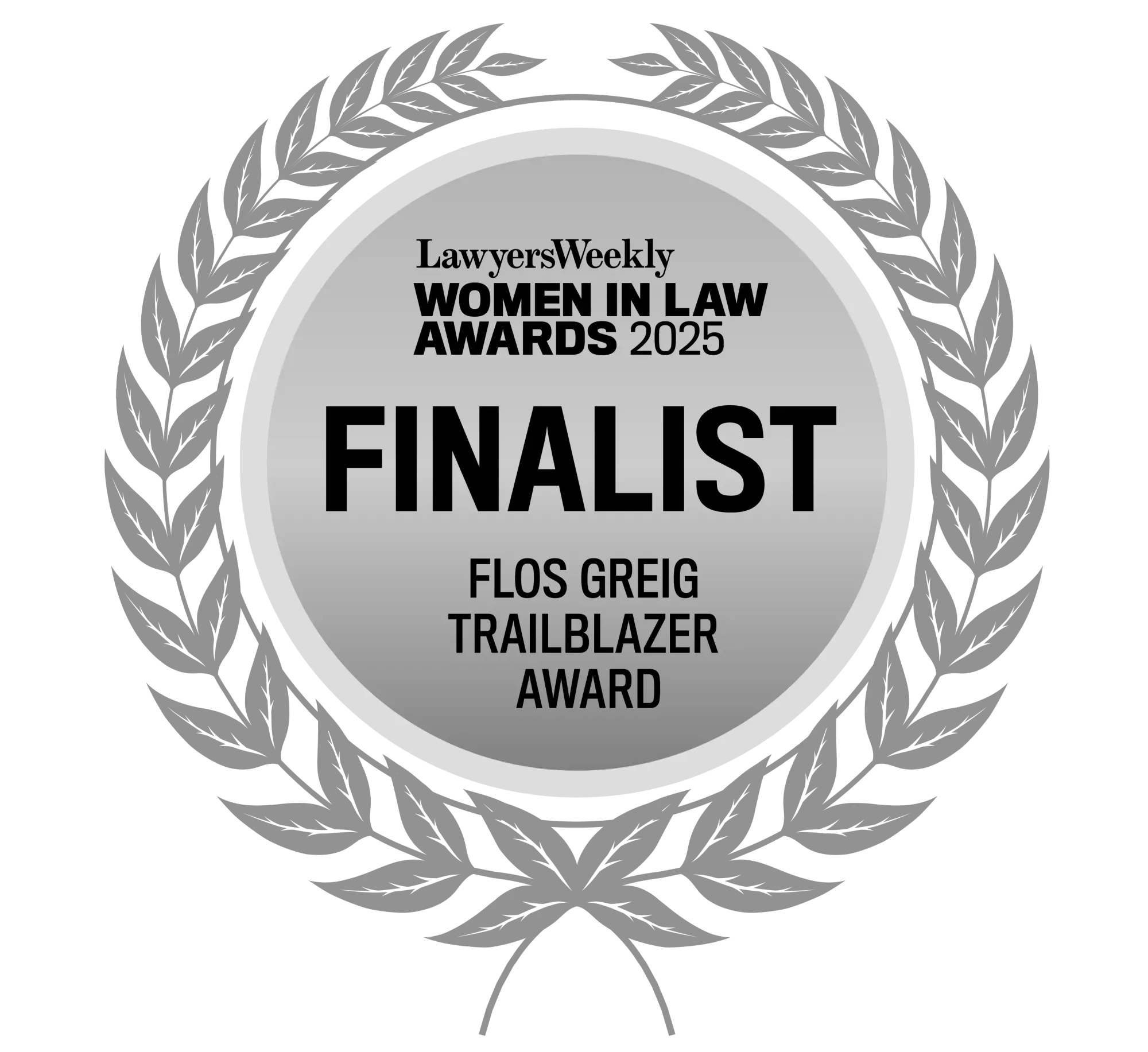
Văn phòng của chúng tôi tại Brisbane mang đến cho khách hàng tại Brisbane và Queensland chuyên môn về luật di trú được công nhận trên toàn quốc. Mỗi giải thưởng được liệt kê dưới đây đều được trao dựa trên kết quả đánh giá độc lập, bao gồm đánh giá của đồng nghiệp, phản hồi từ khách hàng và kiểm toán môi trường làm việc. Khi hợp tác với các luật sư di trú của chúng tôi tại Brisbane, quý vị đang hợp tác với một công ty luật có chất lượng đã được xác nhận bởi các bên thứ ba.


.svg)
.svg)
Perry Q. Wood được vinh danh trong ấn bản “Best Lawyers in Australia™” năm 2027 ở lĩnh vực Luật Di trú. Xếp hạng này được trao tặng hoàn toàn dựa trên kết quả đánh giá bí mật của các luật sư cấp cao trong cùng lĩnh vực hành nghề. Đây là danh mục luật sư hàng đầu thế giới được coi là tiêu chuẩn tham chiếu.

Công ty Luật Di trú Úc đã được xếp hạng trong danh sách “Các Công ty Luật Hàng đầu 2027 – Phiên bản Úc” do Best Lawyers bình chọn. Xếp hạng của các công ty luật được xác định dựa trên phản hồi của khách hàng, đề cử từ đồng nghiệp và uy tín chung trên thị trường. Việc được vinh danh này khẳng định công ty cung cấp các dịch vụ pháp lý hàng đầu trong lĩnh vực luật di trú trên phạm vi toàn quốc.

Luật sư Perry Q. Wood được xếp hạng là một trong những luật sư hàng đầu về di trú tại Victoria trong Doyle's Guide 2026. Việc được vinh danh liên tiếp trong bốn năm liền trên Doyle's Guide đã khẳng định thành tích xuất sắc và sự công nhận của đồng nghiệp trong lĩnh vực luật di trú Úc.

Chi phí hành chính khác nhau tùy theo từng loại thị thực, và bạn cũng cần tính đến chi phí sinh hoạt trong thời gian chờ kết quả đơn xin thị thực. Việc tham khảo ý kiến của một luật sư di trú đáng tin cậy tại Brisbane có thể giúp làm rõ các chi tiết liên quan đến từng loại thị thực cụ thể và hướng dẫn bạn về phí dịch vụ chuyên môn, lệ phí của Bộ Nội vụ cũng như các chi phí liên quan khác.
%20(1).webp)


Lịch sử di cư của Brisbane bắt đầu từ giữa thế kỷ 19, khi những người định cư tự do và những người nhập cư được hỗ trợ từ Anh và Ireland đã thành lập Queensland thành một thuộc địa độc lập. Thời kỳ sau Chiến tranh Thế giới thứ Hai đã chứng kiến những làn sóng di cư đáng kể từ Ý, Hy Lạp và Đông Âu; nhiều người trong số họ đã định cư tại các khu ngoại ô trung tâm của Brisbane và góp phần vào sự phát triển kinh tế của thành phố.Đọc thêm
Từ những năm 1970 trở đi, việc bãi bỏ Chính sách “Úc Trắng” đã mở cửa cho Brisbane đón nhận làn sóng di cư từ châu Á, khu vực Thái Bình Dương và Trung Đông. Ngày nay, Brisbane là một trong những thành phố phát triển nhanh nhất của Úc, với cộng đồng người nhập cư đa dạng và ngày càng mở rộng, tiếp tục định hình văn hóa, lực lượng lao động và các cộng đồng địa phương của thành phố này trước thềm Thế vận hội Olympic 2032. Đọc ít hơn
Lịch sử di cư của Brisbane bắt đầu từ giữa thế kỷ 19, khi những người định cư tự do và những người nhập cư được hỗ trợ từ Anh và Ireland đã thành lập Queensland thành một thuộc địa độc lập. Thời kỳ sau Chiến tranh Thế giới thứ Hai đã chứng kiến những làn sóng di cư đáng kể từ Ý, Hy Lạp và Đông Âu; nhiều người trong số họ đã định cư tại các khu ngoại ô trung tâm của Brisbane và góp phần vào sự phát triển kinh tế của thành phố.
Từ những năm 1970 trở đi, việc bãi bỏ Chính sách “Úc Trắng” đã mở cửa cho Brisbane đón nhận làn sóng di cư từ châu Á, khu vực Thái Bình Dương và Trung Đông. Ngày nay, Brisbane là một trong những thành phố phát triển nhanh nhất của Úc, với cộng đồng người nhập cư đa dạng và ngày càng mở rộng, tiếp tục định hình văn hóa, lực lượng lao động và các cộng đồng địa phương của thành phố này trước thềm Thế vận hội Olympic 2032.



Perry Q Wood là cựu Chủ tịch của Viện Luật Hành chính Úc và là một trong những luật sư hàng đầu về hành chính, di trú và nhân quyền của Úc.
Hãy cho chúng tôi biết đôi chút về hoàn cảnh của bạn và một trong những luật sư di trú của chúng tôi sẽ liên hệ với bạn trong thời gian sớm nhất.






-p-500.webp)
-p-2000.webp)

%402x.svg)