澳洲最大的獨立移民法律事務所。開放時間為 7 天!在此預約。
需要協助嗎?我們的律師和移民代理每週 7 天提供協助。
我們的服務沒有隱藏費用。我們的費用在收費協議中清楚列明。
從第一個當天回復到授予簽證,您將可以直接聯繫律師。
我們經驗豐富的律師將定期為您提供簽證途徑的最新資訊和清晰的解釋。
我們為簽證申請服務提供客戶滿意度保證。
某些簽證類型提供3 - 6個月的分期付款選項。

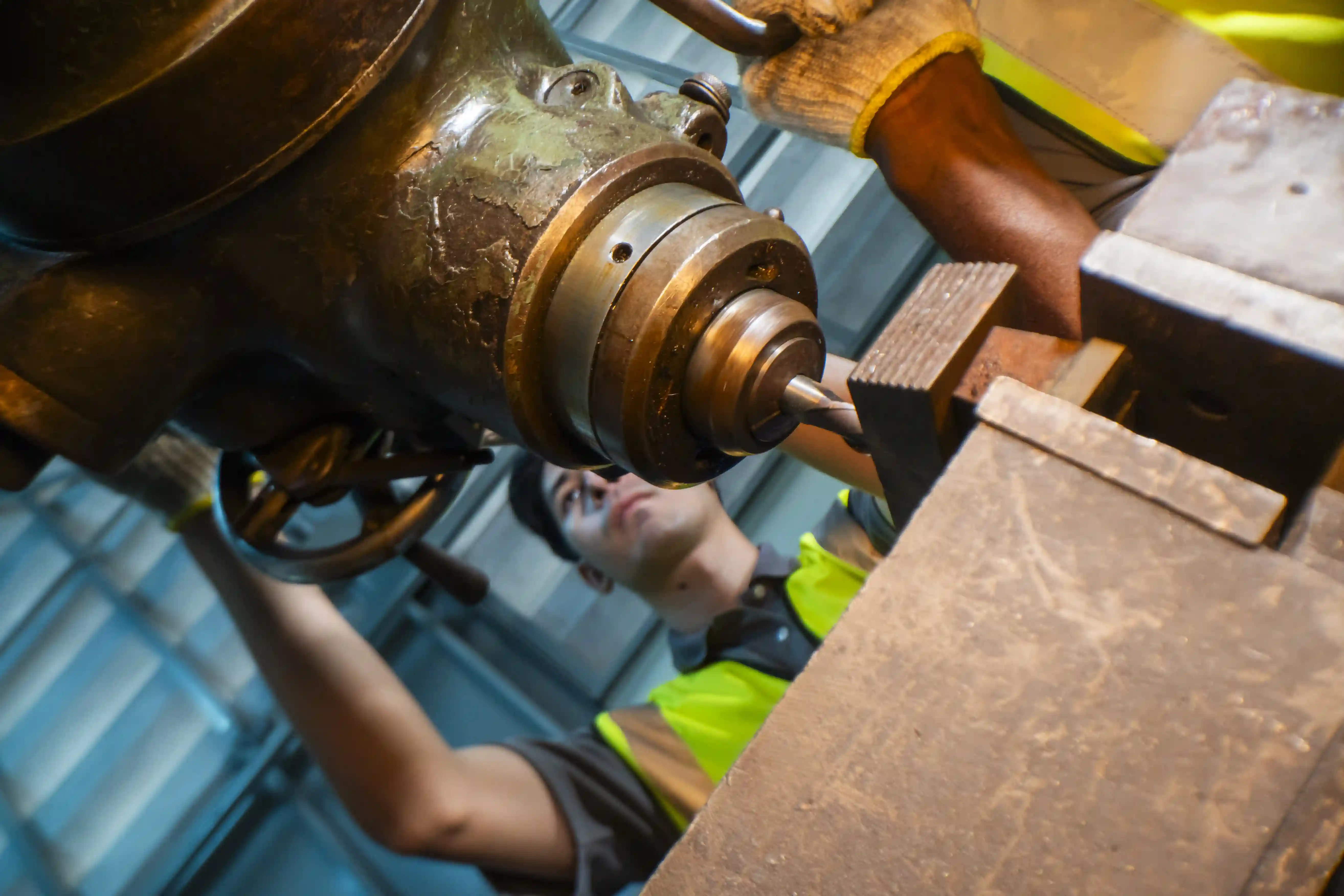
A Welder (First Class) is a skilled tradesperson responsible for fabricating, assembling, and repairing metal structures, specifically working with iron and steel structures, including boilers, pressure vessels, steel structures, and other vessels such as ships. Welders cut, shape, join and repair metal components of iron and steel structures, boilers, pressure vessels and pipes, ships and other vessels.
The role involves using various welding techniques to shape, join and/or repair metal components, ensuring that all work on structures, boilers, pressure vessels, steel structures, vessels and pipes, ships, and other vessels meets relevant safety and quality standards. Welders also assemble, weld and repair pressure vessels and pipes to relevant standards, highlighting their expertise in the comprehensive fabrication and maintenance of metal components.
Welder (First Class) is classified under ANZSCO code 322313 and is generally assessed at Skill Level 3. This classification reflects the requirement for a relevant trade qualification and/or substantial industry experience that demonstrates competency equivalent to Australian standards.
A Welder (First Class) may undertake a range of technical duties depending on the work environment. These commonly include interpreting technical drawings, preparing materials for welding, operating welding equipment, performing precision welds, and inspecting finished work to ensure compliance with required specifications.
For migration purposes, applicants nominating Welder (First Class) are typically required to obtain a positive skills assessment from Trades Recognition Australia (TRA). This assessment confirms that the applicant’s skills, qualifications, and experience meet the standards expected in the Australian trades sector.
Eligibility for a TRA skills assessment generally depends on the applicant’s formal qualifications and/or relevant work experience. Applicants must demonstrate that their training and employment history align with the competencies required for the occupation in Australia.
For migration purposes, applicants nominating Welder (First Class) are typically required to obtain a positive skills assessment from Trades Recognition Australia (TRA). This assessment confirms that the applicant’s skills, qualifications, and experience meet the standards expected in the Australian trades sector.
Eligibility for a TRA skills assessment generally depends on the applicant’s formal qualifications and/or relevant work experience. Applicants must demonstrate that their training and employment history align with the competencies required for the occupation in Australia.
The TRA assessment process may involve a review of qualifications and employment evidence, and in some cases, a practical assessment or technical interview. The specific pathway and requirements depend on the applicant’s background and the applicable TRA program.
Welder (First Class) is included on relevant skilled occupation lists, making it eligible for a range of visa pathways, subject to legislative requirements.
The Subclass 189 visa is a points-tested permanent visa that does not require employer, state, or family sponsorship. Applicants must achieve a competitive points score and be invited by the Australian Government to apply after submitting an Expression of Interest.
The Subclass 190 visa requires nomination by an Australian state or territory government. Applicants must meet both the general migration criteria and the specific nomination requirements set by the nominating authority.
The Subclass 491 visa is a provisional visa for applicants nominated by a state or territory or sponsored by an eligible relative in a designated regional area. It provides a pathway to permanent residency subject to meeting further conditions.
Employer-sponsored visa options may be available where an approved Australian employer is willing to nominate a Welder (First Class) for a position that cannot be filled locally. These pathways are subject to strict requirements relating to sponsorship and employment conditions.
In some circumstances, alternative visa pathways may be available depending on the applicant’s individual profile, including temporary or training-based visas. Eligibility for these options varies and must be assessed against current migration law and policy.
Lorem ipsum dolor sit amet, consectetur adipiscing elit, sed do eiusmod tempor incididunt ut labore et dolore magna aliqua.Ut enim ad minim veniam, quis nostrud exercitation ullamco laboris nisi ut aliquip ex ea commodo consequat.Duis aute irure dolor in reprehenderit in voluptate velit esse cillum dolore eu fugiat nulla pariatur.Excepteur sint occaecat cupidatat non proident, sunt in culpa qui officia deserunt mollit anim id est laborum.
Lorem ipsum dolor sit amet, consectetur adipiscing elit.Suspendisse varius enim in eros elementum tristique.Duis cursus, mi quis viverra ornare, eros dolor interdum nulla, ut commodo diam libero vitae erat.Aenean faucibus nibh et justo cursus id rutrum lorem imperdiet.Nunc ut sem vitae risus tristique posuere.
For points-tested visas, applicants must meet the minimum points threshold and achieve a competitive score. Points are awarded based on factors such as age, qualifications, skilled employment, and English language ability.
Applicants are generally required to demonstrate English language proficiency through an approved test, unless an exemption applies. The required level of English may vary depending on the visa subclass.
All applicants must satisfy Australia’s health and character requirements. This includes completing medical examinations and providing police clearance certificates in accordance with legislative criteria.

Welders (First Class) are in consistent demand across Australia, particularly in industries such as construction, manufacturing, mining, and infrastructure development. Demand may be stronger in regional areas where skilled trades shortages are more pronounced.
Employment conditions and salary expectations can vary depending on experience, location, and industry sector, with skilled welders often receiving competitive wages aligned with industry standards.

Applying for migration as a Welder (First Class) involves navigating a complex framework of skills assessment requirements, visa eligibility criteria, and supporting documentation.
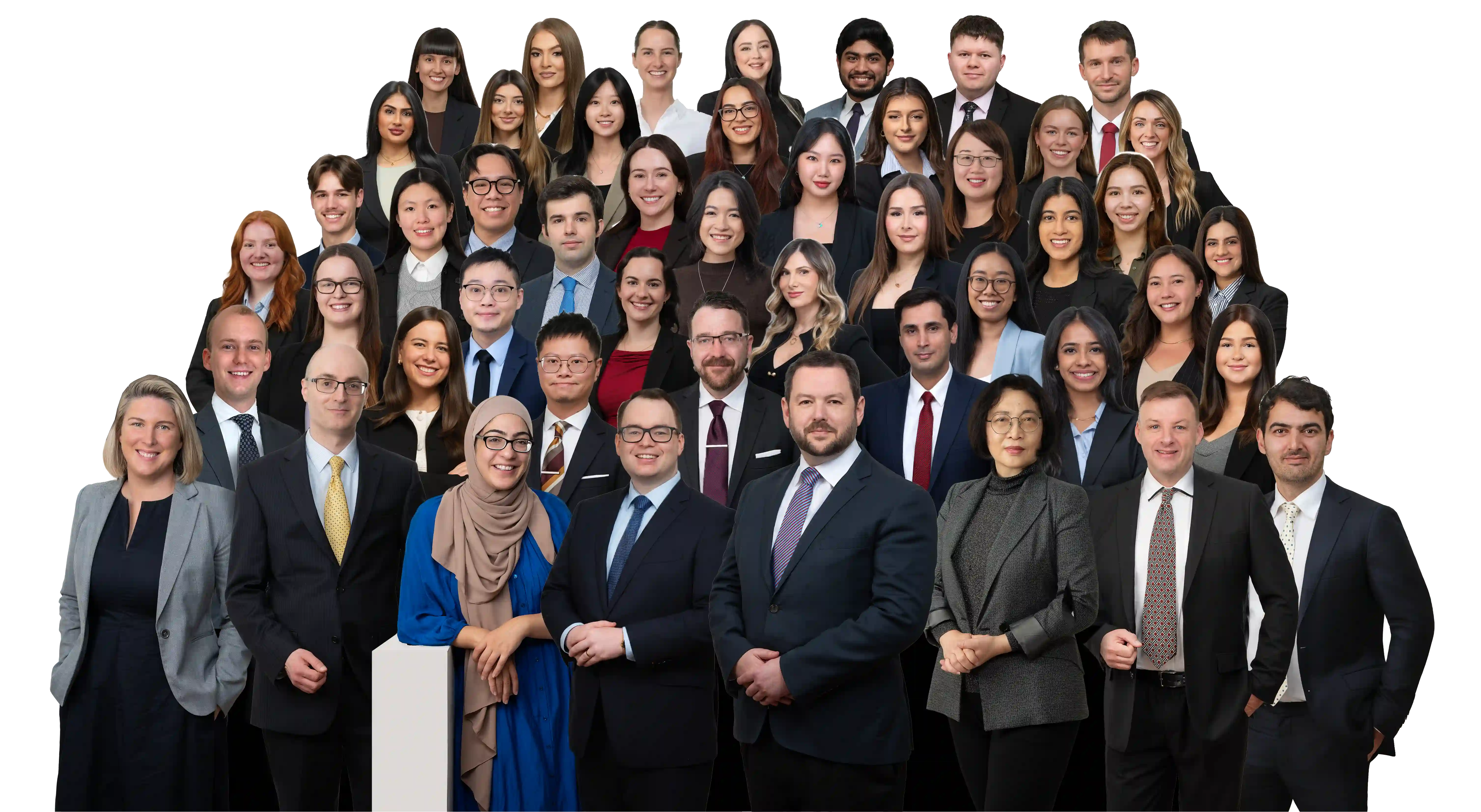
Australian Migration Lawyers can assist by assessing your eligibility, advising on the most appropriate visa pathway, and preparing a compliant application aligned with current migration law. Our team focuses on preparing decision-ready applications and addressing potential issues proactively to help maximise your prospects of a successful outcome.
If you are looking to migrate to Australia as a Welder (First Class), we encourage you to reach out to Australian Migration Lawyers for tailored legal advice and guidance.

申請澳大利亞簽證可能很複雜。在澳大利亞移民律師的説明下,我們可以解開這種複雜性,並説明您申請正確的簽證。
安排諮詢時間與我們的律師談話。您可以親自、透過 Zoom 或電話與我們會面。之後,我們會寄送文件給您,確認我們受聘為您的代表。
我們將準備書面材料以支援您的簽證申請。這將基於您的個人情況,並在適當的情況下得到證據的支援。
我們會將您的申請提交給相關機構(內政部、法院或審裁處)。我們將持續向您提供有關申請狀態的最新資訊。
我們將隨時通知您您的申請,並通知您結果。如果您收到不利的結果,我們可以重新申請,我們會的!

無論您身在何處,我們都能為您提供專業的移民建議和支援。澳洲境內的客戶可以選擇在我們的辦公室或線上與我們會面,而境外的客戶則可以線上與我們聯絡。
In most cases, a positive skills assessment from Trades Recognition Australia (TRA) is required for skilled migration visas.
A relevant trade qualification comparable to Australian standards is typically preferred, although experience may also be considered depending on the assessment pathway.
In some cases, substantial and relevant work experience may be considered as part of the skills assessment process, depending on TRA requirements.
English language requirements vary depending on the visa subclass and individual circumstances. Applicants must meet the minimum threshold set under migration law.
Many skilled visa subclasses allow applicants to include eligible family members, subject to meeting legislative requirements.
Employer sponsorship may be available where an approved employer is able to nominate you for a suitable position, subject to meeting visa requirements.
The Subclass 190 visa is a permanent visa requiring state nomination, while the Subclass 491 visa is a provisional regional visa that can lead to permanent residency if certain conditions are met.
请告诉我们您的情况,我们的移民律师会尽快与您联系。