Australia's largest independent migration law firm. Get a FREE Consultation T&C's apply
Cần giúp đỡ? Các luật sư và đại lý di trú của chúng tôi luôn sẵn sàng hỗ trợ 7 ngày một tuần.


Hãy cho chúng tôi biết về tình hình của bạn và luật sư di trú của chúng tôi sẽ sớm phản hồi bạn.
Hãy cho chúng tôi biết về tình hình của bạn và luật sư di trú của chúng tôi sẽ sớm phản hồi bạn.


Đơn vị được đề cử Giải thưởng “Best of Business” năm 2026 của Telstra

Nếu bạn đang cân nhắc việc định cư tại Úc với tư cách là thợ hàn (hạng nhất), bạn cần lưu ý rằng quy trình này yêu cầu phải đáp ứng các tiêu chí cụ thể về định cư, đánh giá kỹ năng và điều kiện đủ tiêu chuẩn theo luật pháp Úc.
Ứng viên phải đảm bảo rằng trình độ và kinh nghiệm của mình phù hợp với các tiêu chuẩn của Úc, đồng thời đáp ứng các yêu cầu về thị thực để chuẩn bị một hồ sơ đầy đủ và sẵn sàng cho việc xét duyệt.
Các chuyên gia pháp lý của Australian Migration Lawyers sở hữu kiến thức chuyên môn sâu rộng và kinh nghiệm dày dặn, sẵn sàng đồng hành cùng quý vị một cách tự tin trong suốt quá trình pháp lý và hành chính phức tạp để đạt được kết quả thành công.

Được vinh danh trong danh sách “Best Lawyers” các năm
, 2026 và 2027
.png)
Người đoạt giải “
” tại Lễ trao giải Luật Úc
.webp)
Được bình chọn là các công ty luật chuyên về lĩnh vực “
” hàng đầu tại Úc năm 2027

Được xếp hạng trong cuốn “
” của Doyle về các luật sư hàng đầu chuyên về di trú tại
giai đoạn 2023–2026
Hãy cho chúng tôi biết về tình hình của bạn và chúng tôi sẽ sớm liên hệ lại với bạn.
Hãy cho chúng tôi biết về tình hình của bạn và chúng tôi sẽ sớm liên hệ lại với bạn.

Không có chi phí ẩn cho các dịch vụ của chúng tôi. Phí của chúng tôi được quy định rõ ràng trong một thỏa thuận phí.

Từ phản hồi trong ngày đầu tiên đến khi cấp thị thực của bạn, bạn sẽ có quyền truy cập trực tiếp vào luật sư.

Các luật sư giàu kinh nghiệm của chúng tôi sẽ cung cấp cho bạn thông tin cập nhật thường xuyên và giải thích rõ ràng về các lộ trình thị thực.

Chúng tôi cung cấp một đảm bảo sự hài lòng của khách hàng liên quan đến các dịch vụ xin thị thực của chúng tôi.

Tùy chọn trả góp 3 - 6 tháng có sẵn trên một số loại thị thực.

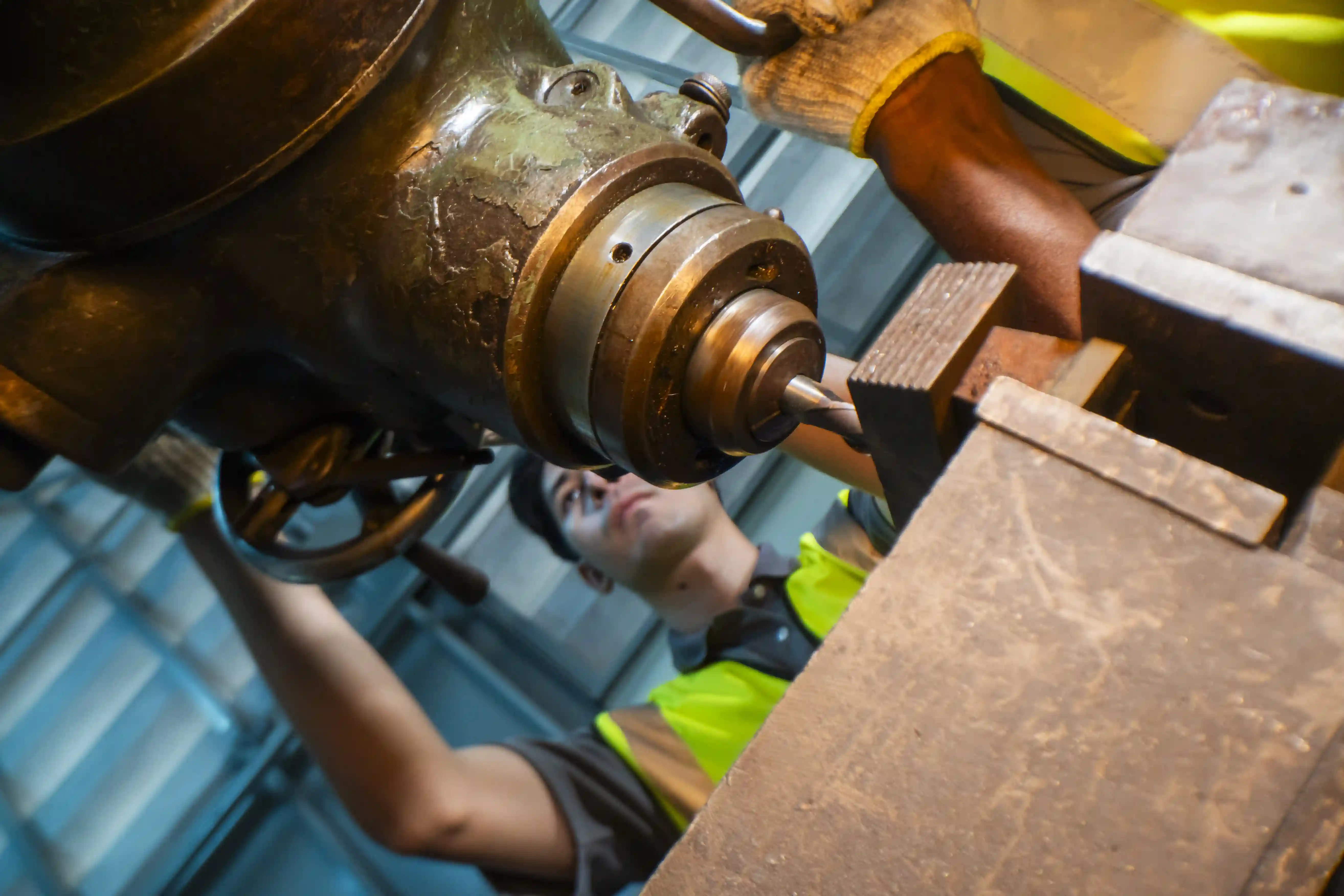
Thợ hàn (Hạng nhất) là một thợ lành nghề chịu trách nhiệm chế tạo, lắp ráp và sửa chữa các kết cấu kim loại, đặc biệt là các kết cấu bằng sắt và thép, bao gồm nồi hơi, bình áp lực, kết cấu thép và các phương tiện khác như tàu thủy. Thợ hàn thực hiện các công việc cắt, tạo hình, nối và sửa chữa các bộ phận kim loại của các kết cấu sắt và thép, nồi hơi, bình áp lực và đường ống, tàu thủy và các phương tiện khác.
Công việc này bao gồm việc sử dụng các kỹ thuật hàn khác nhau để tạo hình, nối và/hoặc sửa chữa các bộ phận kim loại, đảm bảo rằng tất cả các công việc liên quan đến kết cấu, nồi hơi, bình áp lực, kết cấu thép, bình chứa và đường ống, tàu thủy và các phương tiện thủy khác đều tuân thủ các tiêu chuẩn an toàn và chất lượng có liên quan. Thợ hàn cũng lắp ráp, hàn và sửa chữa bình áp lực và đường ống theo các tiêu chuẩn có liên quan, thể hiện chuyên môn của họ trong việc chế tạo và bảo trì toàn diện các bộ phận kim loại.
Nghề Thợ hàn (Hạng nhất) được phân loại theo mã ANZSCO 322313 và thường được đánh giá ở Cấp độ Kỹ năng 3. Phân loại này phản ánh yêu cầu về bằng cấp nghề nghiệp phù hợp và/hoặc kinh nghiệm thực tế dày dặn trong ngành, chứng minh năng lực tương đương với các tiêu chuẩn của Úc.
Một thợ hàn (hạng nhất) có thể đảm nhận nhiều nhiệm vụ kỹ thuật khác nhau tùy thuộc vào môi trường làm việc. Các nhiệm vụ này thường bao gồm đọc hiểu bản vẽ kỹ thuật, chuẩn bị vật liệu hàn, vận hành thiết bị hàn, thực hiện các mối hàn chính xác và kiểm tra sản phẩm hoàn thiện để đảm bảo tuân thủ các tiêu chuẩn kỹ thuật quy định.
Đối với mục đích định cư, những người nộp đơn đăng ký theo diện Thợ hàn (Hạng nhất) thường phải có kết quả đánh giá kỹ năng đạt yêu cầu từ Trades Recognition Australia (TRA). Kết quả đánh giá này xác nhận rằng kỹ năng, bằng cấp và kinh nghiệm của người nộp đơn đáp ứng các tiêu chuẩn được yêu cầu trong ngành nghề thủ công của Úc.
Điều kiện tham gia đánh giá kỹ năng TRA thường phụ thuộc vào bằng cấp chính quy và/hoặc kinh nghiệm làm việc liên quan của người nộp đơn. Người nộp đơn phải chứng minh rằng quá trình đào tạo và kinh nghiệm làm việc của họ phù hợp với các năng lực cần thiết cho nghề nghiệp đó tại Úc.

Đối với mục đích định cư, những người nộp đơn đăng ký theo diện Thợ hàn (Hạng nhất) thường phải có kết quả đánh giá kỹ năng đạt yêu cầu từ Trades Recognition Australia (TRA). Kết quả đánh giá này xác nhận rằng kỹ năng, bằng cấp và kinh nghiệm của người nộp đơn đáp ứng các tiêu chuẩn được yêu cầu trong ngành nghề thủ công của Úc.
Điều kiện tham gia đánh giá kỹ năng TRA thường phụ thuộc vào bằng cấp chính quy và/hoặc kinh nghiệm làm việc liên quan của người nộp đơn. Người nộp đơn phải chứng minh rằng quá trình đào tạo và kinh nghiệm làm việc của họ phù hợp với các năng lực cần thiết cho nghề nghiệp đó tại Úc.
Quy trình đánh giá TRA có thể bao gồm việc xem xét bằng cấp và bằng chứng về kinh nghiệm làm việc, và trong một số trường hợp, có thể bao gồm bài kiểm tra thực hành hoặc phỏng vấn chuyên môn. Lộ trình cụ thể và các yêu cầu phụ thuộc vào nền tảng của người nộp đơn và chương trình TRA áp dụng.
Nghề thợ hàn (Hạng nhất) được đưa vào danh sách các nghề có tay nghề liên quan, do đó đủ điều kiện để xin một loạt các loại thị thực, tùy thuộc vào các yêu cầu pháp lý.
Thị thực loại 189 là loại thị thực thường trú dựa trên hệ thống điểm, không yêu cầu sự bảo lãnh từ nhà tuyển dụng, tiểu bang hoặc gia đình. Ứng viên phải đạt được số điểm đủ cao và nhận được lời mời từ Chính phủ Úc để nộp đơn sau khi đã nộp Thư bày tỏ quan tâm.
Thị thực loại 190 yêu cầu phải có sự đề cử từ chính quyền tiểu bang hoặc vùng lãnh thổ của Úc. Người nộp đơn phải đáp ứng cả các tiêu chí di trú chung lẫn các yêu cầu đề cử cụ thể do cơ quan đề cử quy định.
Thị thực loại 491 là loại thị thực tạm thời dành cho những người nộp đơn được đề cử bởi một tiểu bang hoặc vùng lãnh thổ, hoặc được bảo lãnh bởi một người thân đủ điều kiện tại một khu vực vùng miền được chỉ định. Loại thị thực này mở ra con đường dẫn đến quyền thường trú, với điều kiện phải đáp ứng các yêu cầu bổ sung.
Các lựa chọn thị thực do nhà tuyển dụng bảo lãnh có thể được áp dụng trong trường hợp một nhà tuyển dụng Úc đã được phê duyệt sẵn sàng đề cử một thợ hàn (hạng nhất) cho một vị trí không thể tuyển dụng được từ nguồn lao động trong nước. Các lộ trình này phải tuân thủ các yêu cầu nghiêm ngặt liên quan đến việc bảo lãnh và điều kiện làm việc.
Trong một số trường hợp, tùy thuộc vào hồ sơ cá nhân của người nộp đơn, có thể có các phương án xin thị thực thay thế, bao gồm thị thực tạm thời hoặc thị thực dành cho mục đích đào tạo. Điều kiện đủ để được xem xét các phương án này có thể khác nhau và phải được đánh giá dựa trên luật và chính sách di trú hiện hành.
Đối với các loại thị thực xét duyệt theo điểm, người nộp đơn phải đạt ngưỡng điểm tối thiểu và có số điểm đủ cạnh tranh. Điểm được tính dựa trên các yếu tố như tuổi tác, trình độ học vấn, công việc chuyên môn và trình độ tiếng Anh.
Thông thường, người nộp đơn phải chứng minh trình độ tiếng Anh thông qua một kỳ thi được công nhận, trừ khi được miễn trừ. Trình độ tiếng Anh yêu cầu có thể khác nhau tùy thuộc vào loại thị thực.
Tất cả các ứng viên phải đáp ứng các yêu cầu về sức khỏe và phẩm chất của Úc. Điều này bao gồm việc hoàn tất các cuộc khám sức khỏe và cung cấp giấy xác nhận lý lịch tư pháp theo các tiêu chuẩn pháp lý.

Nhu cầu về thợ hàn (hạng nhất) luôn ổn định trên khắp nước Úc, đặc biệt là trong các ngành như xây dựng, sản xuất, khai thác mỏ và phát triển hạ tầng. Nhu cầu có thể cao hơn ở các khu vực địa phương, nơi tình trạng thiếu hụt lao động có tay nghề cao diễn ra nghiêm trọng hơn.
Điều kiện làm việc và mức lương mong đợi có thể thay đổi tùy thuộc vào kinh nghiệm, địa điểm và lĩnh vực ngành nghề; các thợ hàn lành nghề thường nhận được mức lương cạnh tranh, phù hợp với tiêu chuẩn ngành.

Việc nộp đơn xin định cư với tư cách là thợ hàn (hạng nhất) đòi hỏi phải nắm rõ một hệ thống phức tạp bao gồm các yêu cầu về đánh giá kỹ năng, tiêu chí đủ điều kiện xin thị thực và các tài liệu chứng minh.
Các luật sư di trú Úc có thể hỗ trợ quý vị bằng cách đánh giá tính đủ điều kiện, tư vấn về lộ trình xin thị thực phù hợp nhất và chuẩn bị hồ sơ xin thị thực tuân thủ đầy đủ các quy định của pháp luật di trú hiện hành. Đội ngũ của chúng tôi tập trung vào việc chuẩn bị các hồ sơ xin thị thực sẵn sàng để được xem xét và chủ động giải quyết các vấn đề tiềm ẩn nhằm giúp tối đa hóa cơ hội thành công cho quý vị.
Nếu bạn đang có ý định định cư tại Úc với tư cách là thợ hàn (hạng nhất), chúng tôi khuyến khích bạn liên hệ với các luật sư di trú Úc để nhận được tư vấn và hướng dẫn pháp lý phù hợp với hoàn cảnh cụ thể của bạn.

Xin visa vào Úc có thể phức tạp. Với sự giúp đỡ của Luật sư Di trú Úc, chúng tôi có thể gỡ rối sự phức tạp này và giúp bạn nộp đơn xin thị thực phù hợp.

Tổ chức thời gian tư vấn để nói chuyện với một trong những luật sư của chúng tôi. Bạn có thể gặp chúng tôi trực tiếp, qua Zoom hoặc điện thoại. Sau đó, chúng tôi sẽ gửi cho bạn giấy tờ xác nhận sự tham gia của chúng tôi để đại diện cho bạn.

Chúng tôi sẽ chuẩn bị các bản đệ trình bằng văn bản để hỗ trợ đơn xin thị thực của bạn. Điều này sẽ dựa trên hoàn cảnh cá nhân của bạn và được hỗ trợ bởi bằng chứng khi thích hợp.

Chúng tôi nộp đơn của bạn cho cơ quan có liên quan (Bộ Nội vụ, tòa án hoặc tòa án). Chúng tôi sẽ tiếp tục cập nhật cho bạn về tình trạng đơn đăng ký của bạn.

Chúng tôi sẽ thông báo cho bạn về đơn đăng ký của bạn và thông báo cho bạn về kết quả. Nếu bạn nhận được một kết quả không thuận lợi và chúng tôi có thể đăng ký lại, chúng tôi sẽ!




.jpg)



%20(1).webp)
%20(1).webp)


.jpg)




.jpg)
.jpg)

%20(1)%20(1).webp)
%20(1)%20(1).webp)
.jpg)

%20(1).webp)
%20(1).webp)
%20(1).webp)


.jpg)

%20(3).jpg)

.jpg)



%20(1).webp)

%20(1).webp)




%20(7).jpg)
.jpg)
.jpg)
.jpg)
.png)
.jpg)
Chúng tôi cung cấp tư vấn và hỗ trợ di cư chuyên nghiệp, bất kể bạn ở đâu. Những người ở Úc có thể lựa chọn gặp chúng tôi tại một trong các văn phòng của chúng tôi hoặc trực tuyến và đối với những người ở nước ngoài, chúng tôi có sẵn cho bạn trực tuyến.


Trong hầu hết các trường hợp, để xin thị thực định cư dành cho lao động có tay nghề, cần phải có kết quả đánh giá kỹ năng đạt yêu cầu từ Trades Recognition Australia (TRA).
Thông thường, ứng viên có bằng cấp nghề nghiệp phù hợp và tương đương với tiêu chuẩn của Úc sẽ được ưu tiên, mặc dù kinh nghiệm thực tế cũng có thể được xem xét tùy thuộc vào lộ trình đánh giá.
Trong một số trường hợp, kinh nghiệm làm việc đáng kể và phù hợp có thể được xem xét trong quá trình đánh giá kỹ năng, tùy thuộc vào các yêu cầu của TRA.
Yêu cầu về trình độ tiếng Anh khác nhau tùy thuộc vào loại thị thực và hoàn cảnh cá nhân. Người nộp đơn phải đáp ứng mức tối thiểu theo quy định của luật di trú.
Nhiều loại thị thực tay nghề cho phép người nộp đơn đưa các thành viên gia đình đủ điều kiện vào đơn xin, miễn là đáp ứng các yêu cầu pháp lý.
Chương trình bảo lãnh của nhà tuyển dụng có thể được áp dụng trong trường hợp một nhà tuyển dụng đã được phê duyệt có thể đề cử bạn cho một vị trí phù hợp, miễn là bạn đáp ứng các yêu cầu về thị thực.
Thị thực loại 190 là thị thực thường trú yêu cầu sự đề cử của tiểu bang, trong khi thị thực loại 491 là thị thực tạm trú tại khu vực có thể dẫn đến quyền thường trú nếu đáp ứng các điều kiện nhất định.
Perry Q Wood là cựu Chủ tịch của Viện Luật Hành chính Úc và là một trong những luật sư hàng đầu về hành chính, di trú và nhân quyền của Úc.
Hãy cho chúng tôi biết đôi chút về hoàn cảnh của bạn và một trong những luật sư di trú của chúng tôi sẽ liên hệ với bạn trong thời gian sớm nhất.

%402x.svg)







-p-500.webp)

-p-2000.webp)