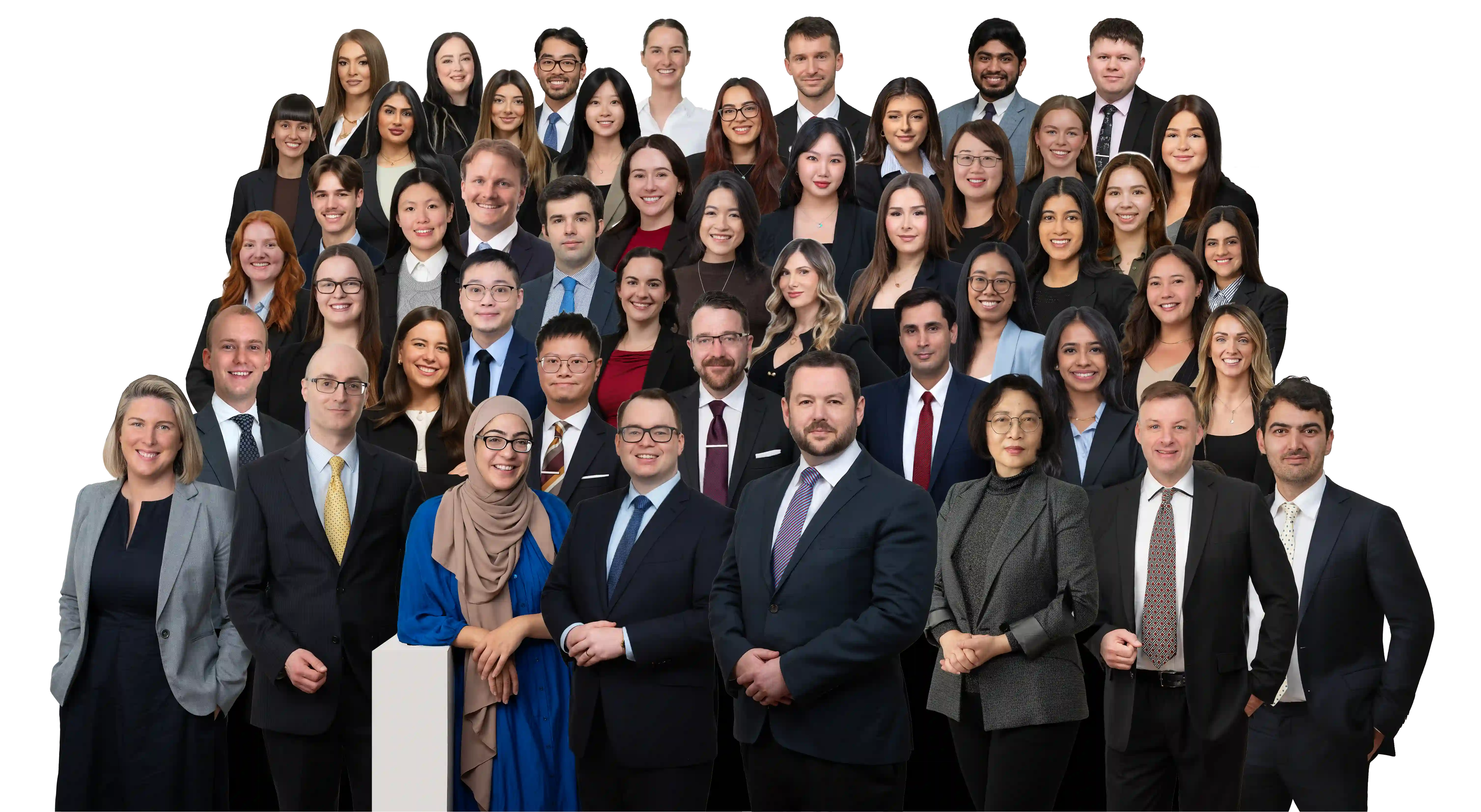
澳洲最大的獨立移民法律事務所。立即獲取免費諮詢(適用條款與細則)
需要協助嗎?我們每週 7 天提供服務。


請告訴我們您的情況,我們的移民律師會盡快回覆您。
請告訴我們您的情況,我們的移民律師會盡快回覆您。


2026 年 Telstra「最佳企業獎」入圍者


2023-2026年度最受信賴澳洲移民法律事務所得主

2023 年、2024 年和 2025 年移民法排名第一

獲評為 2023、2024、2025 及 2026 年頂尖移民律師

獲評為 2024 & 2025 年最佳移民法律事務所

重點摘要
The Partner Visa (Subclass 100) is the permanent stage of Australia’s offshore partner visa pathway. It follows the Partner Visa (Subclass 309) and, once granted, gives the holder permanent residency in Australia. Both stages form part of a single combined application lodged at the outset; the Subclass 100 is not a separate application but a continuation of the same file, assessed approximately two years after lodgement.
The Subclass 100 is the offshore equivalent of the onshore permanent partner visa (Subclass 801). It grants the holder the right to live, work, and study in Australia indefinitely, with full access to Medicare and the ability to apply for Australian citizenship after meeting the residency requirements.
The permanent stage is not automatic. The Department of Home Affairs conducts a fresh assessment of the relationship, and the applicant must demonstrate that the relationship remains genuine and ongoing at the time of the permanent decision, not merely that it was genuine when the original application was lodged.
[免費諮詢]
如果您有興趣獲得有關簽證的更多資訊,請聯繫澳大利亞移民律師進行諮詢。
[/free_consultation]
Eligibility for the permanent partner visa assessment arises two years after the date the combined application was originally lodged. The two-year period runs from the date of lodgement, not from the date the Subclass 309 temporary visa was granted.
According to the Department of Home Affairs’ Global Visa Processing Times guide, once eligibility is reached, 50% of Subclass 100 applications are processed within 9 months and 90% within 21 months from the date of eligibility.
When eligibility is reached, the Department of Home Affairs will generally notify eligible applicants through ImmiAccount to commence the permanent stage assessment. Applicants should not rely solely on receiving a notification. If the two-year period has passed and no invitation has been received, applicants can initiate the permanent stage assessment themselves through ImmiAccount by selecting “Stage 2 — Permanent Partner Visa Assessment (100, 801).” This is not a new application; it is the workflow for submitting updated information to progress the existing combined application.
No. The government application charge paid at the time of original lodgement covers both the temporary stage and the permanent stage of the partner visa. No additional standard application charge is payable when the permanent assessment commences.
What applicants should plan for at the permanent stage are the incidental costs of updating documents, including renewed police clearances, updated statutory declarations, new relationship evidence, and any translation costs for foreign language documents. These are evidence preparation costs, not a second visa application charge.
The permanent stage is a fresh assessment. The Department of Home Affairs must be satisfied that, at the time of the permanent decision, the relationship between the applicant and the sponsor is genuine and continuing. The same four assessment categories used at the first stage apply again under Regulation 1.15A of the Migration Regulations 1994: the financial aspects of the relationship, the nature of the household, the social aspects of the relationship, and the nature of the commitment.
The evidence supplied must reflect the current state of the relationship, not simply repeat what was provided at lodgement. Two years of additional relationship history should be documented and submitted. This includes updated financial evidence, evidence of continued cohabitation or communication if the couple has been separated, updated statutory declarations from both the applicant and sponsor, and updated witness declarations from friends or family members who can speak to the relationship as it stands now.
A file that mirrors the original application without demonstrating the passage of time and the continuation of the relationship carries real risk. A case officer reviewing the permanent stage file will expect to see evidence that the relationship has continued and developed since the temporary grant.
[aml_difference][/aml_difference]
At the permanent stage, financial evidence should reflect the couple’s financial life as it now stands. This means updated joint account statements or bank records, evidence of shared financial responsibilities such as rent, mortgage, or utilities, and records of financial support between the parties if they have been living separately. Where circumstances have changed since the temporary stage, for example where the applicant has entered the Australian workforce or the couple has made significant joint financial decisions, this should be documented.
Updated evidence of the household is required. Where the couple is living together in Australia, this should include lease agreements, utility bills, or other records showing cohabitation at a shared address. Where the couple has been separated by travel or circumstance during the processing period, evidence of the household during that time, including communications, evidence of shared accommodation during visits, and records demonstrating that the couple has not permanently separated, is relevant.
The social aspects of the relationship at the permanent stage should reflect developments since the temporary grant. This may include evidence of joint attendance at family events, travel together, the couple’s recognition by new social circles in Australia, or updated statements from friends and family who can speak to the relationship as it currently stands. Updated Form 888 statutory declarations from witnesses are valuable at this stage, provided they address the relationship as it has developed rather than simply repeating what was said at the first stage.
Evidence of the couple’s continued and exclusive commitment to a shared future is a key component of the permanent stage assessment. This may include evidence of shared long-term plans, property decisions, family decisions, or other markers of an ongoing partnership. Where the relationship has faced and overcome challenges during the processing period, addressing these directly in the updated statutory declarations strengthens the application.
Changes in circumstances since the temporary stage must be disclosed to the Department of Home Affairs. These include changes of address, changes in family composition such as the birth or adoption of children, changes in the sponsor’s citizenship or residency status, changes in either party’s passport details, and any criminal matters arising since the original application. Failing to disclose changes can raise integrity concerns that complicate or delay the permanent stage assessment.
Where significant changes have occurred, such as a period of separation, the birth of a child, or a change in the sponsor’s circumstances, obtaining legal advice before submitting the permanent stage evidence is prudent. The Department assesses the relationship on the totality of the evidence, and a file that addresses changes directly and honestly is in a stronger position than one that leaves gaps.
If the relationship ends before the Subclass 100 is granted, the applicant may still be eligible in limited circumstances under the Migration Act 1958. These special circumstances include where the applicant has experienced family violence during the relationship, where the applicant and sponsor share a dependent child, or where the sponsor has passed away.
Each of these circumstances has its own legal requirements, and the applicant’s situation will determine what evidence and submissions are needed. Legal advice should be obtained promptly if the relationship has ended or is in difficulty, as the approach taken at this stage can affect the outcome of the permanent assessment.
Once the Subclass 100 partner visa is granted, the holder becomes a permanent resident of Australia. The pathway to Australian citizenship then becomes available, subject to meeting the general residency requirements under the Australian Citizenship Act 2007 (Cth). These include having been lawfully present in Australia for four years immediately before applying, with at least one year as a permanent resident.
Australian citizenship is not mandatory, but it carries benefits beyond those available to permanent residents, including the right to an Australian passport, visa-free or visa-on-arrival access to a significant number of countries, eligibility for government employment, and freedom from ongoing visa compliance obligations.
[成功案例] [/成功案例]
The permanent stage of a partner visa 100 australia application requires updated evidence, proper disclosure of any changes, and a file that clearly demonstrates the relationship has continued since the temporary grant. Applicants who treat the permanent stage assessment as a formality risk delays or, where the evidence is insufficient, refusal.
At Australian Migration Lawyers, our team of migration lawyers assists applicants through the permanent stage of both the Subclass 100 and Subclass 801 partner visa assessments, from reviewing what has changed since the temporary stage through to preparing updated statutory declarations, collating current evidence, and ensuring all changes in circumstances are properly disclosed. We act in accordance with the Migration Act 1958 and our legal obligations to ensure each application is lawfully prepared. We also work with Australian Translation Services to ensure all foreign language documents are translated into Australian English as required.
If you are approaching the two-year mark on your partner visa subclass 100 assessment, or if your permanent stage has become complicated by changes in circumstances, contact Australian Migration Lawyers today. Book a free consultation with one of our qualified migration lawyers to discuss your situation. In-person, video, and telephone consultations are available.
尼克擁有 15 年美國法律及公共行政領域的經驗,其後又從事 5 年澳洲移民法實務工作,因此作為一名澳洲移民律師,他能將深厚的跨司法管轄區法律專業知識運用於其工作中。
尼克持有佛羅里達州立大學政治學文學士學位(2000年)、聖托馬斯大學法學院法學博士學位(2004年),以及佛羅里達州立大學公共行政碩士學位(2007年)。 自2006年起成為佛羅里達州律師協會會員,並於2007年取得哥倫比亞特區上訴法院律師資格。在2021年遷居墨爾本前,他已建立卓越的國際法律事業。
在拉籌伯大學(La Trobe University)及法律學院(The College of Law)完成澳洲法律學業後,他於2022年獲維多利亞州最高法院核准成為澳洲律師。其後,他取得執業律師編號5513285,並以此從事移民法相關業務。他是維多利亞州律師公會(Law Institute of Victoria)的會員。
尼克針對各類移民事務提供專業指導。由於他本人也曾親身經歷過移民流程,因此不僅具備專業知識,更能真切體會客戶在整個過程中所經歷的一切。
尼克為全國各地的客戶提供服務,包括墨爾本、雪梨、布里斯本、珀斯和阿德萊德,並提供全方位的支援。
他曾代表當事人參與行政覆核審裁處(ART)的聽證程序,並將其在審裁處的辯護經驗運用於複雜且具爭議性的移民案件中。
在工作之餘,尼克喜歡閱讀、旅行,以及探索墨爾本的咖啡文化。
法律免責聲明:由「澳洲移民律師」發布的文章及部落格貼文僅提供一般性資訊,並不構成移民或法律建議。閱讀此內容並不構成律師與客戶之間的關係,且任何依賴此內容的行為,風險均由您自行承擔。由於移民法規經常變更,在做出任何移民決定或提出申請之前,請諮詢註冊的澳洲律師,以獲取針對您具體情況量身訂製的專業建議。
請告訴我們您的情況,我們會盡快回覆您。
請告訴我們您的情況,我們會盡快回覆您。
一些快速且免費的工具,可協助您在諮詢移民律師之前了解各項選擇 —— 估算簽證費用或查詢永久居留權積分。

估算內政部針對僱主贊助簽證所收取的費用——包括「需求技能簽證」(第482類)的提名及簽證費用,或「僱主提名計劃」(第186類)——其中涵蓋提名費、SAF徵費及受養人相關費用。
開始使用
請告訴我們您的情況,我們的移民律師會盡快回覆您。

我們製作了全面的簽證指南,概述了簽證申請的內在和外在。立即索取。