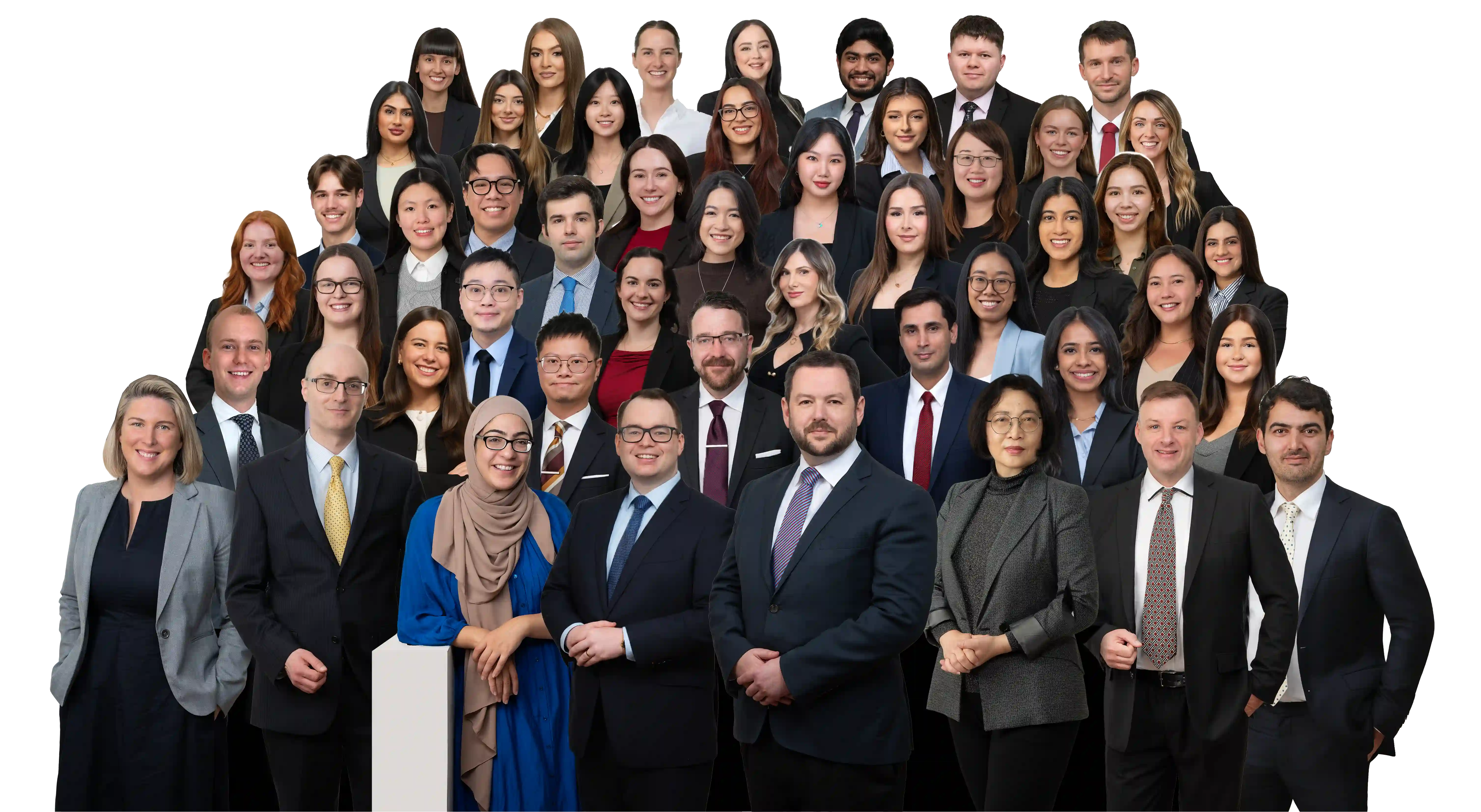
Australia's largest independent migration law firm. Get a FREE Consultation T&C's apply
需要帮助吗?我们每周7天都会提供服务。


请告诉我们您的情况,我们的移民律师会尽快与您联系。
请告诉我们您的情况,我们的移民律师会尽快与您联系。


2026年Telstra“最佳企业奖”提名者
Judicial Review of Migration Decisions in Canberra Courts
If your visa or migration matter has been refused by the Administrative Review Tribunal (ART), you may still have legal options through a migration court review. Our Canberra migration court review lawyers advise on whether a tribunal decision involves a legal error and whether it can be challenged in court. We help prepare judicial review applications, build the legal argument, and represent you so your case is properly put before the Federal Circuit and Family Court or the Federal Court.

入选《最佳律师》
2026及2027年榜单
.png)
澳大利亚法律奖获奖者
.webp)
2027年澳大利亚最佳法律
事务所排名

入选《Doyle’s
Guide》2023-26年度“
”移民法律领域领先律师榜单
告诉我们你的情况,我们会很快给你答复。
告诉我们你的情况,我们会很快给你答复。


我们的服务没有任何隐藏的费用。我们的费用在收费协议中明确规定。

从最初的当日回复到澳大利亚签证的签发,您都可以直接与律师联系。

我们经验丰富的律师会定期向你提供最新信息,并对签证途径作出明确解释。

我们提供与签证申请服务有关的客户满意度保证。

某些签证类型可选择 3 - 6 个月分期付款。
At your first consultation, you'll meet directly with a migration lawyer, who will explain our services, discuss your options, and guide you through the process from start to finish. A fixed, upfront fee applies to any ongoing work, and a clear understanding of your options and a structured plan matters when pursuing a visa, permanent residency, or citizenship outcome.
We offer flexible payment options, and online appointments are available alongside our friendly, in-person support.

Call us on 1300 150 745

Monday – Friday: 9am – 6pm
Saturday – Sunday: 9am – 1pm

Bank transfer, credit card (Mastercard, VISA, or AMEX), 3-6 monthly instalments available in some cases

Level 9/2, Phillip Law St, Canberra ACT 2601

Partner visas allow spouses and de facto partners of Australian citizens or permanent residents to live in Australia, either temporarily or permanently. We assist with partner visa applications and appeals, ensuring relationship evidence is properly prepared and presented.
伙伴签证
Protection visas are available to individuals who seek Australia's protection due to a well-founded fear of harm in their home country. We provide sensitive and professional legal support throughout the application process.
保护签证
Employer-sponsored visas allow Australian employers to sponsor skilled workers to fill labour shortages. We assist both employers and employees in meeting sponsorship obligations and visa requirements.
Employer-Sponsored Visa
Skilled migration visas enable qualified workers to live and work in Australia based on their skills, qualifications, and experience. We advise on skilled migration pathways and related visa matters.
技术移民签证-p-2000.webp)
ART appeals let applicants seek an independent review of certain visa refusal or cancellation decisions made by the Department of Home Affairs, reassessing the case on its facts and the law. We represent clients in Administrative Review Tribunal matters, preparing strategic submissions and advocacy to support the strongest possible case.
ART 呼吁%20(1)-p-2000.webp)
Visa refusal appeals allow applicants to seek review of a negative decision through the appropriate legal channels. We offer legal advice and representation to assist with appeal processes.
Visa Refusal Appeal-p-2000.webp)
Australian citizenship allows eligible individuals to become formal members of the Australian community with full rights and responsibilities. We assist with citizenship applications and eligibility assessments.
澳大利亚公民身份
Family visas allow eligible relatives to reunite with family members in Australia under various migration pathways. We provide advice on family visa options and assist with complex application requirements.
家庭签证
Parent visas enable eligible parents of Australian citizens or permanent residents to migrate to Australia, subject to sponsorship and strict eligibility criteria. Our team provides guidance on parent visa applications and available review options.
父母签证-p-2000.webp)
Visa cancellation may occur where visa conditions or legal requirements are not met. We provide urgent legal advice and representation to address cancellation issues and protect your immigration status.
签证注销
Visitor visas allow individuals to travel to Australia for tourism, family visits, or short-term business purposes. We assist with applications and provide support in cases involving refusals or complications.
访问签证
多年的综合经验
.webp)
适用于真实且持续的配偶关系的伴侣签证
.webp)
在移民上诉委员会和法院层面代表客户的移民律师和移民代理
.webp)
被公认为领先的移民律师和移民代理的律师事务所
找到目的地
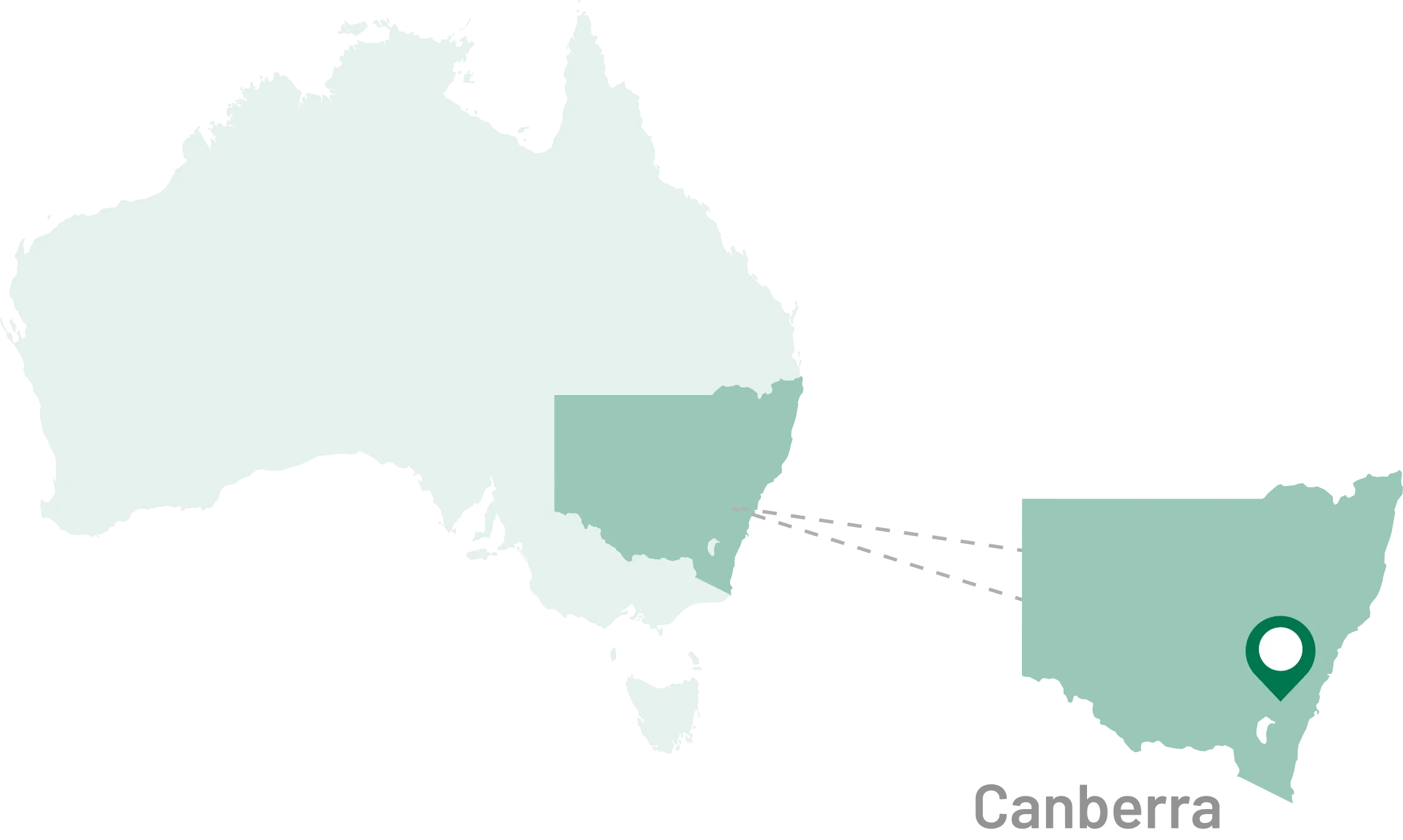
我们在移民法方面的法律专业知识远不止于为澳大利亚首都城市的客户提供帮助。我们为全国各地的个人、家庭和企业提供全面支持。

Strict time limits apply to migration court review applications. Under Section 477 of the Migration Act 1958, an application for judicial review of a migration decision must generally be filed within 35 days of the decision, and the court may extend this deadline at its discretion "in the interests of justice." Missing this deadline can significantly limit your legal options, so seeking advice as early as possible matters.
Federal court filing fees
As of 1 July 2026, the filing fee for a migration judicial review application is $4,180 for an individual paying the full rate, or $2,090 at the reduced rate. A setting-down fee and a daily hearing fee also apply, at $1,035 each for an individual, or $2,495 each for a corporation.
Legal representation and litigation costs
Costs vary depending on the complexity of the case and the level of court involvement required.
Additional legal preparation expenses
These may include document preparation, affidavits, and expert legal submissions.

A migration court review involves complex legal principles and strict procedural rules. Legal representation helps ensure your application is properly prepared, identifies valid legal grounds, and keeps track of court deadlines, submissions, and hearing preparation throughout.
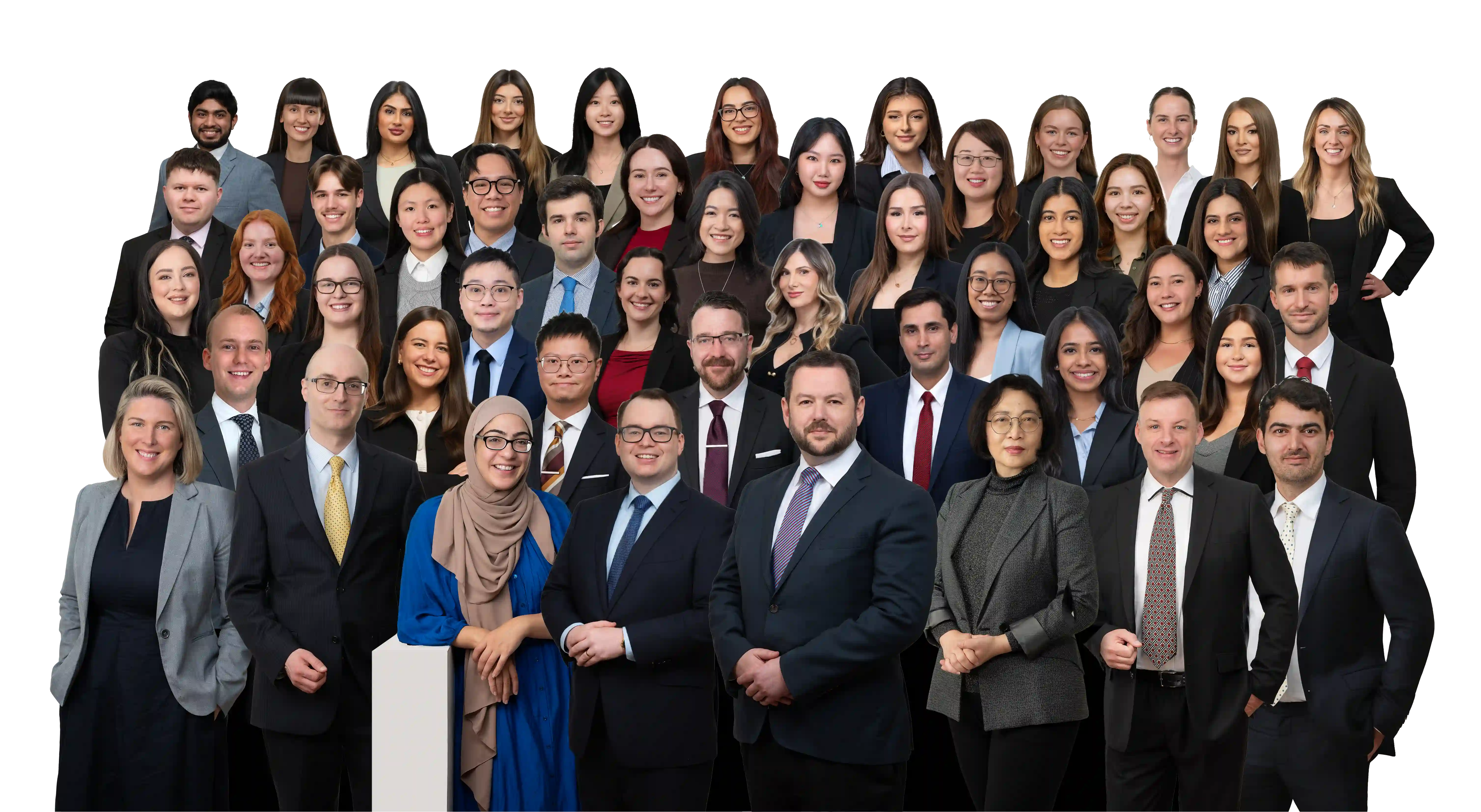
We offer experienced legal representation in migration litigation matters, including judicial review applications before the Federal Circuit and Family Court and Federal Court. Being based in Canberra, home to the Nigel Bowen Commonwealth Law Courts where ACT federal court migration matters are heard, our team is well placed to assist locally. Our approach centres on identifying legal errors, building strong arguments, and guiding clients through what can be a complex court process, with clear advice on prospects, risks, and any alternative pathways available.


ACT federal court migration matters, including those before the Federal Circuit and Family Court and the Federal Court, are heard at the Nigel Bowen Commonwealth Law Courts, on the corner of University Avenue and Childers Street, Canberra City ACT 2600. This is the Court's own premises, not an Australian Migration Lawyers office, and is provided here for reference in case you need to attend in person or direct correspondence to the Court.






我们的堪培拉办事处为堪培拉及澳大利亚首都领地各地的客户提供全国公认的移民法专业服务。以下列出的每一项奖项均通过独立评估获得,包括同行评审、客户反馈及工作场所审计。当您与我们在堪培拉的移民律师合作时,您所合作的是一家其服务质量已获得独立认可的律所。


.svg)
.svg)
“澳大利亚移民律师事务所”入选了《Best Lawyers》发布的《2027年最佳律所——澳大利亚版》。该榜单的排名依据包括客户反馈、同行提名以及整体市场声誉。此次入选证实了该事务所在全国范围内提供一流的移民法律服务。

佩里·Q·伍德(Perry Q. Wood)入选《2027年澳大利亚最佳律师™》移民法领域榜单。该排名完全基于同领域资深律师的匿名同行评审。该榜单是全球领先的法律指南基准。

佩里·Q·伍德(Perry Q. Wood)在《多伊尔指南2026》中被评为维多利亚州顶尖移民律师。连续四年入选《多伊尔指南》,充分证明了他在澳大利亚移民法领域长期以来的卓越表现及同行认可。

The government costs vary for each visa type, and you also need to factor in the cost of living while you await the outcome of your visa application. Consulting a reliable Canberra immigration lawyer can clarify details relating to specific visas and guide you on professional fees, Department of Home Affairs fees and other associated costs.

%20(1)%20(1).webp)

%20(1).webp)
堪培拉的移民历史深受其作为澳大利亚国家首都以及政府、教育和科研中心这一地位的影响。自20世纪初建城以来,来自澳大利亚各地及海外的技术工人、公务员和专业人士为该市的发展与繁荣做出了贡献。阅读更多
自第二次世界大战后以来,堪培拉接纳了来自欧洲、亚洲、中东和非洲的移民,这反映了澳大利亚不断发展的移民政策。如今,这座城市拥有一个多元化且高技能的多文化社区,移民们在公共服务、高等教育、医疗保健、科技及专业服务等领域都做出了贡献。收起更多内容
堪培拉的移民历史深受其作为澳大利亚国家首都以及政府、教育和科研中心这一地位的影响。自20世纪初建城以来,来自澳大利亚各地及海外的技术工人、公务员和专业人士为该市的发展做出了贡献。
自第二次世界大战结束后,堪培拉便开始接纳来自欧洲、亚洲、中东和非洲的移民,这反映了澳大利亚不断发展的移民政策。如今,这座城市拥有一个多元化且高技能的多文化社区,移民们在公共服务、高等教育、医疗保健、科技及专业服务等领域都做出了贡献。
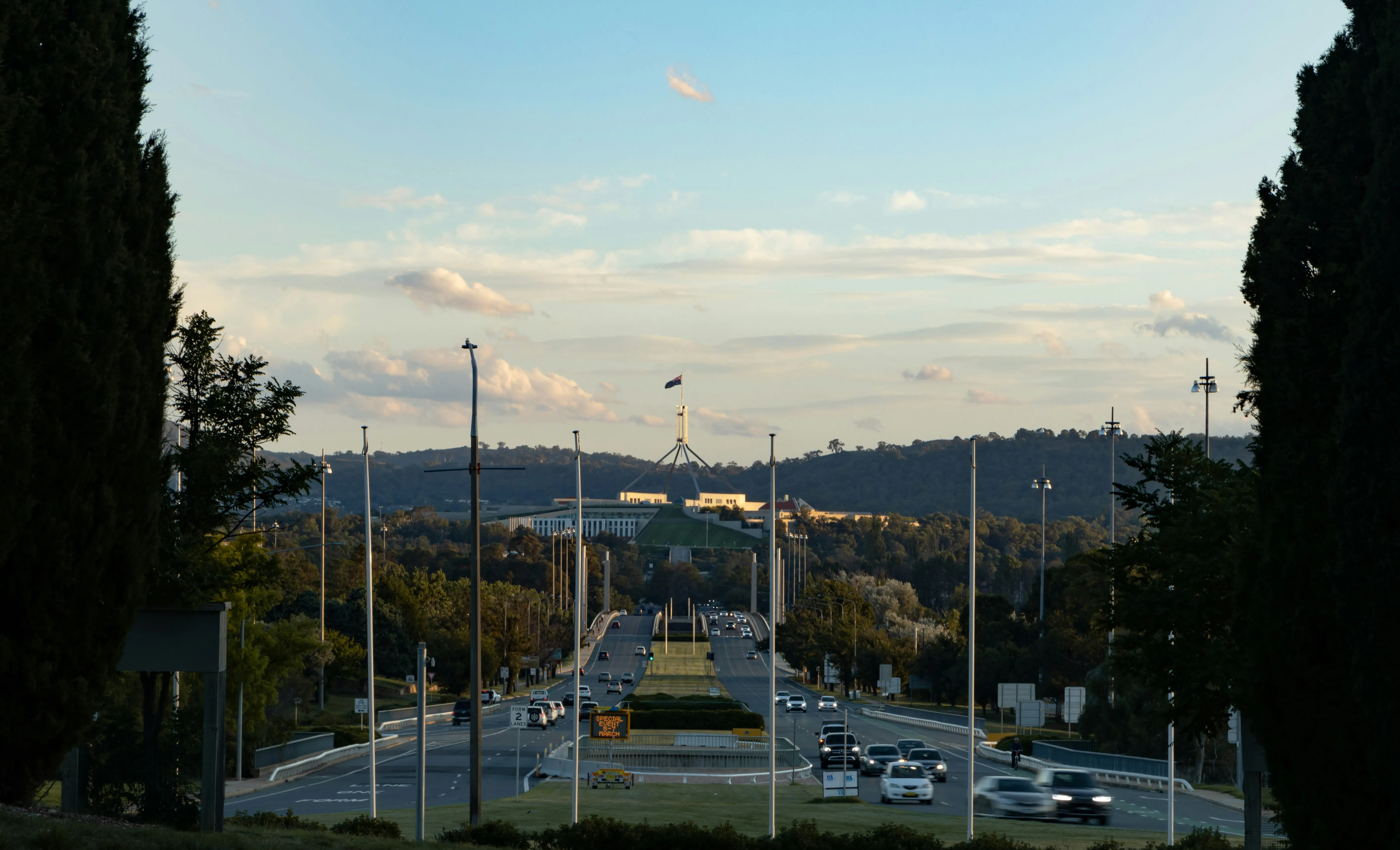

佩里-Q-伍德(Perry Q Wood)是澳大利亚行政法学会前任会长,也是澳大利亚顶尖的行政、移民和人权律师之一。
请告诉我们您的情况,我们的移民律师会尽快与您联系。
Our experienced migration lawyers are here to help —risk-free. Ask about our No Visa, No Fee options and we'll guide you through every step of your journey.