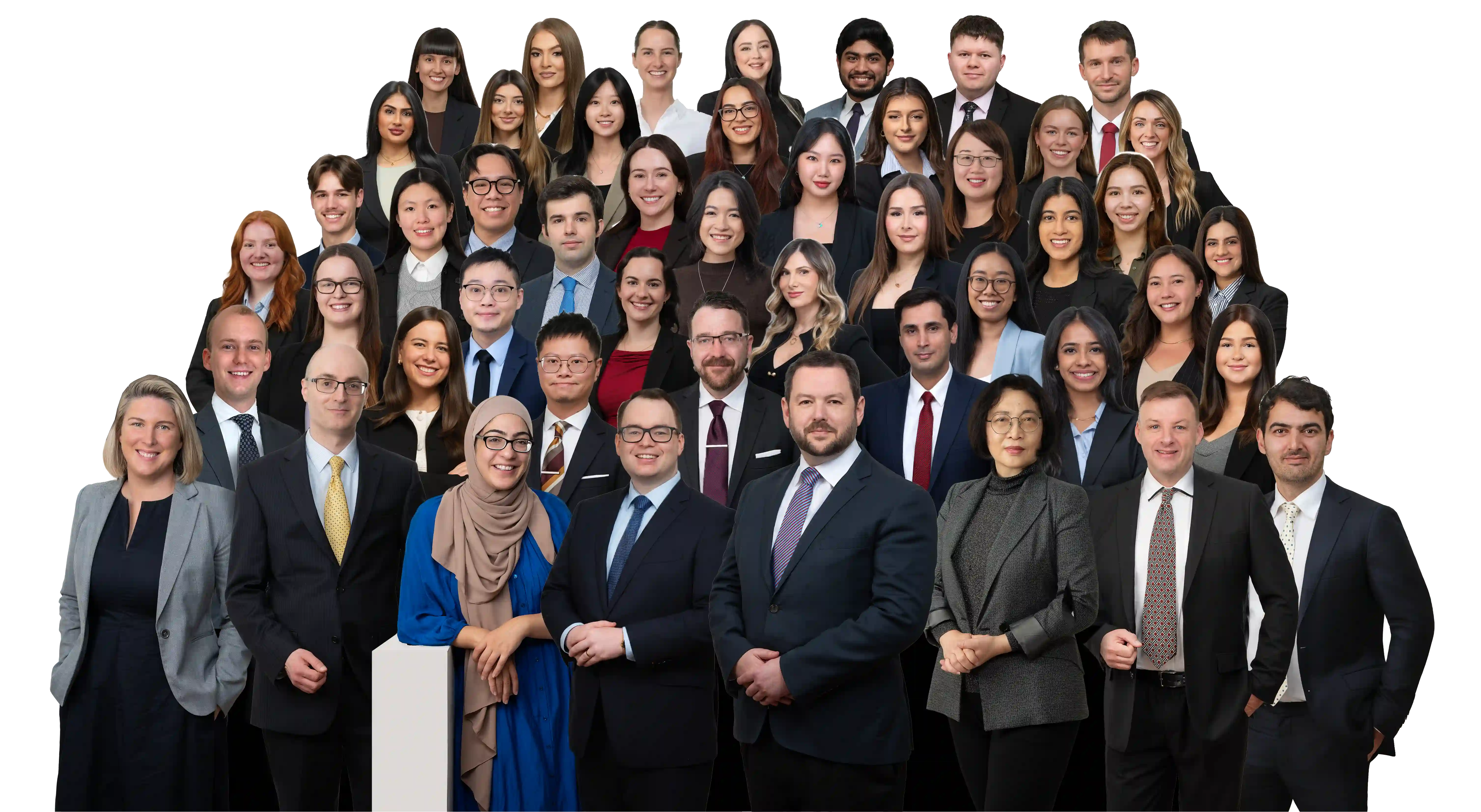
Ang pinakamalaking independiyenteng law firm sa migrasyon sa Australia. Kumuha ng LIBRENG Konsultasyon. May mga tuntunin at kundisyon na nalalapat.
Kailangan mo ba ng tulong? 7 days a week kami available.


Sabihin sa amin ang tungkol sa iyong sitwasyon, at ang aming mga abogado sa imigrasyon ay babalik sa iyo sa lalong madaling panahon.
Sabihin sa amin ang tungkol sa iyong sitwasyon, at ang aming mga abogado sa imigrasyon ay babalik sa iyo sa lalong madaling panahon.


Nominado para sa 2026 Telstra Best of Business Awards



Nagwagi ng Pinaka Pinagkakatiwalaang Australian Migration Law Firm 2023-2026

Ika-1 puwesto para sa batas sa migrasyon noong 2023, 2024 at 2025

Niraranggo sa mga nangungunang abogado sa migrasyon noong 2023, 2024, 2025 at 2026

Niraranggo ang pinakamahusay na kumpanya ng batas sa migrasyon 2024 at 2025

.svg)
Mga aplikasyon na handa nang magdesisyon, na inihanda ng mga abogado.
Walang Visa, Walang Bayad na mga opsyon na magagamit.*
Libreng paunang konsultasyon (may mga tuntunin at kundisyon na nalalapat).
Mga Pangunahing Puntos
Ang Kasunduan sa Paggawa ay isang pormal na kasunduan sa pagitan ng isang employer sa Australia at ng Pamahalaang Komonwelt na nagpapahintulot sa pag-sponsor ng mga manggagawa sa ibang bansa sa mga pagkakataon kung saan ang mga programa sa standard skilled visa ay hindi angkop o magagamit. Ang mga kasunduan sa paggawa ay mga pormal na kasunduan na napagkasunduan sa pagitan ng mga negosyo sa Australia at ng Kagawaran ng Panloob na Ugnayan.
Ang mga Kasunduan sa Paggawa ay pinag-uusapan sa ilalim ng Migration Act 1958 (Cth) at Migration Regulations 1994 (Cth) . Upang maging kwalipikado para sa isang kasunduan sa paggawa, ang mga employer ay dapat na mga negosyong rehistrado sa Australia na may mabuting katayuan at dapat ay legal na nagpatakbo nang hindi bababa sa 12 buwan. Pinapayagan nito ang mga aprubadong employer na mag-sponsor ng mga manggagawa sa mga tinukoy na trabaho, kung minsan ay may mga iniakmang termino na may kaugnayan sa mga antas ng wikang Ingles, mga limitasyon sa edad, mga limitasyon sa suweldo, mga kwalipikasyon, o karanasan sa trabaho.
Makipag-ugnayan sa amin ngayon upang matuto nang higit pa tungkol sa iyong mga opsyon sa ilalim ng Mga Kasunduan sa Paggawa.
Patuloy na nakakaranas ang Australia ng kakulangan sa mga kasanayan sa iba't ibang disiplina ng inhinyeriya, lalo na sa mga propesyonal sa inhinyeriya tulad ng mga inhinyerong sibil, istruktural, mekanikal, elektrikal, at mga espesyalistang inhinyero sa proyekto. Ang mga kakulangang ito ay kadalasang pinatitindi ng:
Sa ganitong mga sitwasyon, maaaring kailanganin ng mga employer na mag-sponsor ng mga bihasang manggagawa sa ibang bansa upang punan ang mga tungkuling ito kapag walang makukuhang angkop na kwalipikadong mga inhinyero ng Australia. Ang isang Kasunduan sa Paggawa ay maaaring magbigay ng legal na landas upang makahanap ng mga talento mula sa ibang bansa.
[free_consultation]
Kung interesado kang makakuha ng karagdagang impormasyon tungkol sa isang visa, makipag ugnay sa Australian Migration Lawyers para sa isang konsultasyon.
[/free_consultation]
Maaaring isaalang-alang ang isang Kasunduan sa Paggawa kung saan ang mga karaniwang programa ng visa at mga programa ng permanenteng visa ay hindi sapat na tumutugon sa mga pangangailangan ng manggagawa ng employer, tulad ng kapag:
Maaaring saklawin ng mga kasunduan sa paggawa ang parehong pansamantala at permanenteng mga kaayusan sa trabaho, depende sa mga pangangailangan ng employer sa merkado ng paggawa.
Hindi ito isang shortcut, kundi isang napagkasunduang solusyon na nangangailangan ng matibay na ebidensya ng tunay na pangangailangan.
Para maging kwalipikado, ang isang employer sa engineering ay karaniwang dapat:
Dapat ding mangako ang mga sponsor na sanayin ang mga Australyano at sundin ang lahat ng obligasyon sa pag-sponsor.
Ang isang panukala para sa Kasunduan sa Paggawa sa Inhinyeriya ay karaniwang nangangailangan ng ebidensya ng:
Susuriin ng Kagawaran ng Panloob na Gawain kung tunay ang kakulangan at kung makatwiran ang pag-empleyo ng mga inhinyero mula sa ibang bansa.
Sa ilang mga kaso, maaaring ma-access ng mga employer sa engineering ang:
May limang pangunahing uri ng mga kasunduan sa paggawa sa Australia, kabilang ang mga kasunduan sa paggawa na partikular sa kumpanya at mga kasunduan sa migrasyon sa itinalagang lugar.
Ang pagiging kwalipikado ay nakadepende sa lokasyon ng employer, trabaho, at kasalukuyang mga patakaran ng gobyerno.
[aml_difference] [/aml_difference]
Ang Subclass 482 Skills in Demand (SID) visa sa ilalim ng Labour Agreement stream ay isang demand visa at isang pansamantalang visa na nagpapahintulot ng pansamantalang pag-sponsor ng mga inhinyero sa mga aprubadong trabaho.
Ang mga pangunahing kinakailangan sa pangkalahatan ay kinabibilangan ng:
Maaaring ipagkaloob ang visa na ito nang hanggang apat na taon. Ang parehong karanasan sa trabaho ay maaaring matugunan ang parehong pamantayan sa trabaho at pagiging karapat-dapat sa visa, na magpapadali sa proseso ng aplikasyon. Karaniwang kinakailangan ang isang bachelor's degree para sa mga tungkulin sa inhenyeriya, at ang Engineers Australia ang itinalagang awtoridad sa pagtatasa para sa pagtatasa ng mga kasanayan.
Ang visa na ito ay nagbibigay-daan sa mga inhinyero na magtrabaho sa Australia sa loob ng aprubadong panahon sa ilalim ng kasunduan.
Ang visa ng Employer Nomination Scheme (subclass 186) ay may kasamang direktang entry stream bilang daan patungo sa permanent residence visa. Ang stream ng Labour Agreement ng Subclass 186 visa ay maaaring magbigay ng permanent residency pathway para sa mga kwalipikadong engineer kung saan:
Ang permanenteng paninirahan ay napapailalim sa pagsunod sa lahat ng mga kondisyon ng batas at kasunduan.
Ang mga sponsored engineer ay karaniwang dapat bayaran ng hindi bababa sa:
Dapat ipakita ng suweldo ang matatanggap ng isang manggagawang Australyano sa parehong posisyon.
Sa ilang mga pagkakataon, ang mga Kasunduan sa Paggawa ay maaaring magsama ng mga limitadong konsesyon na may kaugnayan sa:
Ang mga konsesyon ay hindi awtomatiko at dapat na matibay na makatwiran gamit ang mga sumusuportang ebidensya.
Ang mga employer sa inhinyeriya na inaprubahan bilang mga sponsor ay dapat:
Ang hindi pagsunod ay maaaring magresulta sa mga parusa, pagkansela ng pag-apruba ng sponsorship, at mga kahihinatnan sa visa para sa mga sponsored engineer.
Ang isang Kasunduan sa Paggawa sa Inhinyeriya ay maaaring magbigay ng:
Nangangailangan ito ng maingat na paghahanda at matibay na sumusuportang ebidensya. Ang aming mga abogado ay malapit na nakikipagtulungan sa mga kumpanya ng inhinyeriya upang masuri kung ang isang Kasunduan sa Paggawa ang pinakaepektibong estratehiya sa migrasyon. Naghahanda kami ng mga komprehensibong panukala na nagpapakita ng tunay na kakulangan sa kasanayan, nakikipagnegosasyon sa mga naaangkop na konsesyon kung saan makatwiran, pinamamahalaan ang mga nominasyon at aplikasyon ng visa, at nagpapayo sa patuloy na mga obligasyon sa pagsunod. Ang aming layunin ay tulungan ang mga negosyo sa inhinyeriya na makakuha ng mahahalagang talento habang pinapanatili ang ganap na pagsunod sa mga batas sa migrasyon at lugar ng trabaho ng Australia.
Ang Kasunduan sa Paggawa sa Inhinyeriya ay isang napagkasunduang kasunduan sa pagitan ng isang employer sa inhinyeriya at ng Pamahalaan ng Australia na nagpapahintulot sa pag-sponsor ng mga inhinyero sa ibang bansa kung saan hindi angkop ang mga programa ng standard skilled visa. Ang ganitong uri ng kasunduan ay maaaring nasa anyo ng isang kasunduan sa paggawa sa industriya, na nagtatakda ng mga takdang tuntunin at kundisyon para sa sektor ng inhinyeriya sa kabuuan, o isang kasunduan na partikular sa kumpanya, na iniayon sa mga natatanging pangangailangan ng isang indibidwal na negosyo at direktang napagkasunduan sa Kagawaran ng Panloob na Kagawaran.
Tanging ang mga aprubadong negosyo at mga bihasang employer na legal na nagpapatakbo, mabubuhay sa pananalapi, at kayang magpakita ng tunay na kakulangan sa kasanayan ang maaaring mag-aplay para sa isang kasunduan sa paggawa sa inhinyeriya.
Karaniwan:
Ang bawat subclass ng visa ay may mga partikular na pamantayan sa pagiging karapat-dapat at mga kinakailangan sa trabaho sa ilalim ng balangkas ng kasunduan sa paggawa sa inhinyeriya.
Sa limitadong mga pagkakataon, maaaring pag-usapan ang mga konsesyon kung wastong makatwiran at maaprubahan ng Kagawaran ng Panloob.
[mga_kwento_ng_tagumpay] [/mga_kwento_ng_tagumpay]
Maaaring kabilang sa mga karaniwang trabaho ang mga civil engineer, mechanical engineer, electrical engineer, structural engineer, project engineer, at iba pang espesyalisadong teknikal na tungkulin — napapailalim sa pag-apruba sa ilalim ng kasunduan.
Sa karamihan ng mga kaso, oo. Dapat magpakita ang mga employer ng mga tunay na pagsisikap na magrekrut ng mga manggagawang Australyano bago humingi ng pag-apruba na mag-sponsor ng mga inhinyero sa ibang bansa sa ilalim ng isang Kasunduan sa Paggawa.
Taglay ang 15 taong karanasan sa batas ng Estados Unidos at administrasyong pampubliko, na sinundan ng 5 taong pagsasanay sa batas ng imigrasyon sa Australia, si Nick ay may lalim ng kadalubhasaan sa batas na sumasaklaw sa iba't ibang hurisdiksyon sa kanyang trabaho bilang isang abogado sa imigrasyon sa Australia.
Si Nick ay nagtataglay ng Bachelor of Arts sa Political Science mula sa Florida State University (2000), isang Juris Doctorate mula sa St. Thomas University School of Law (2004), at isang Master of Public Administration mula sa Florida State University (2007). Siya ay miyembro ng Florida Bar mula pa noong 2006 at ng District of Columbia Court of Appeals Bar mula noong 2007, na nagtatag ng isang kilalang internasyonal na legal na karera bago lumipat sa Melbourne noong 2021.
Matapos makumpleto ang kanyang pag-aaral ng batas sa Australia sa La Trobe University at The College of Law, tinanggap siya bilang isang abogado sa Australia ng Korte Suprema ng Victoria noong 2022. Kalaunan ay nakuha niya ang Legal Practitioner Number 5513285, kung saan siya nagpapraktis sa batas ng migrasyon. Siya ay miyembro ng Law Institute of Victoria.
Nag-aalok si Nick ng ekspertong gabay sa iba't ibang usapin ng migrasyon. Dahil personal niyang naranasan ang proseso ng migrasyon, taglay niya ang parehong propesyonal na kadalubhasaan at tunay na pag-unawa sa mga nararanasan ng mga kliyente sa buong proseso.
Naglilingkod si Nick sa mga kliyente sa buong bansa, kabilang ang sa Melbourne, Sydney, Brisbane, Perth, at Adelaide, at nagbibigay ng komprehensibong suporta.
Kinatawan niya ang mga kliyente sa mga paglilitis sa harap ng Administrative Review Tribunal (ART), na nagdadala ng karanasan sa pagtataguyod ng tribunal sa mga kumplikado at pinagtatalunang usapin ng migrasyon.
Bukod sa kanyang propesyonal na buhay, mahilig din si Nick sa pagbabasa, paglalakbay, at paggalugad sa kultura ng kape sa Melbourne.
PAALALA SA LEGAL: Ang mga artikulo at post sa blog na inilathala ng Australian Migration Lawyers ay nagbibigay lamang ng pangkalahatang impormasyon at hindi bumubuo ng payong legal sa migrasyon. Ang pagbabasa ng nilalamang ito ay hindi lumilikha ng ugnayan sa pagitan ng abogado at kliyente, at ang anumang pag-asa dito ay mahigpit na nasa iyong sariling peligro. Dahil madalas na nagbabago ang mga batas sa migrasyon, mangyaring kumonsulta sa isang rehistradong Abogado ng Australia para sa propesyonal na payo na angkop sa iyong mga partikular na kalagayan bago gumawa ng anumang mga desisyon o aplikasyon sa migrasyon.
Sabihin sa amin ang tungkol sa iyong sitwasyon, at babalik kami sa iyo sa lalong madaling panahon.
Sabihin sa amin ang tungkol sa iyong sitwasyon, at babalik kami sa iyo sa lalong madaling panahon.
Mabilis at libreng mga tool para matulungan kang maunawaan ang iyong mga opsyon bago ka makipag-usap sa isang abogado sa imigrasyon — tantyahin ang mga gastos sa iyong visa o tingnan ang iyong mga PR point.

Tantyahin ang mga singil ng Department of Home Affairs para sa mga visa na inisponsor ng employer — Skills in Demand (subclass 482) nominasyon at visa, o Employer Nomination Scheme (subclass 186) — kasama ang bayad sa nominasyon, SAF levy at mga dependent.
Magsimula
Tantyahin ang singil sa aplikasyon para sa Home Affairs visa para sa subclass 189, 190 o 491 — kasama na ang sinumang partner o mga anak na mag-aaplay kasama mo.
Magsimula
Tingnan kung saan nakalatag ang iyong iskor laban sa 65-puntong minimum para sa Subclass 189, 190 at 491 visa, batay sa edad, kakayahan sa Ingles, karanasan sa trabaho at marami pang iba.
MagsimulaSabihin sa amin ng kaunti tungkol sa iyong sitwasyon, at ang isa sa aming mga abogado sa migration ay makakakuha ng bumalik sa iyo sa lalong madaling panahon.







-p-500.webp)
-p-2000.webp)

Lumikha kami ng komprehensibong mga gabay sa visa na nagbabalangkas ng mga ins at outs ng mga aplikasyon ng visa. Kunin mo ang iyong ngayon.

%402x.svg)