Australia's largest independent migration law firm. Get a FREE Consultation T&C's apply
Need help? We are available 7 days a week.


Tell us about your situation, and our immigration lawyers will get back to you shortly.
Tell us about your situation, and our immigration lawyers will get back to you shortly.



2026 Telstra Best of Business Awards Nominee
Appeal a Visa Decision to the Administrative Review Tribunal in Hobart
Challenging a visa refusal or cancellation requires a clear understanding of migration law and strict procedural requirements. As a tribunal appeal migration lawyer serving Hobart, our team provides strategic legal advice and representation to help you prepare and present a strong ART appeal.

Ranked Best Lawyers
2026 & 2027
.png)
Winner of the
Australian Law Awards
.webp)
Ranked Best Law
Firms Australia 2027

Ranked in Doyle’s
Guide Leading Immigration
Lawyers 2023-26
Tell us about your situation, and we will get back to you shortly.
Tell us about your situation, and we will get back to you shortly.

An Administrative Review Tribunal (ART) appeal is a legal process that lets eligible applicants seek an independent merits review of certain visa decisions made by the Department of Home Affairs. The ART replaced the former Administrative Appeals Tribunal (AAT) in October 2024, following the Administrative Review Tribunal Act 2024, so an AAT appeal in Hobart today is lodged with the ART instead. The Tribunal reassesses the facts and law to determine whether the original decision should be upheld or changed.


There are no hidden costs for our services. Our fees are clearly set out in a fee agreement.

From the first same-day response to the granting of your Australian visa, you'll have direct access to a lawyer.

Our experienced lawyers will give you regular updates and clear explanations of visa pathways.

We offer a client satisfaction guarantee in relation to our visa application services.

3 - 6 months installment options available on some visa types.
At your first meeting, you'll speak directly with a migration lawyer, who will explain our services, discuss your visa options, and guide you through the entire process. You'll also receive a fixed, upfront fee for ongoing services.
We offer a range of flexible payment options. In addition to our friendly, compassionate in-person support, we also provide online appointments for your convenience.

Call us on
1300 150 745

Monday – Friday: 9am – 6pm
Saturday – Sunday: 9am – 1pm

Bank transfer, credit card (VISA, Mastercard, or AMEX), 3-6 monthly instalments available in some cases

PO Box 13118
Law Courts 8010

We assist with partner visa applications, ensuring relationship evidence and eligibility requirements are properly addressed.
Partner Visas
We provide sensitive and professional legal support for protection visa applicants.
Protection Visas
We assist employers and employees with sponsorship and visa applications.
Employer-Sponsored Visas
We advise on skilled migration pathways, including state-nominated and points-tested visas.
Skilled Migration Visas%20(1)-p-2000.webp)
We provide representation and advice for visa refusal matters and review options.
Visa Refusal Appeal-p-2000.webp)
We assist eligible applicants with citizenship applications and requirements.
Australian Citizenship
Our team provides guidance on family migration options to support family reunification.
Family Visas
We assist with parent visa applications, including contributory and non-contributory pathways.
Parent Visas-p-2000.webp)
We assist with judicial review applications in the Federal Circuit and Family Court on migration matters.
Migration Court Review-p-2000.webp)
We assist with judicial review applications in migration matters.
Visa Cancellation
We assist with visitor visa applications, including complex and refusal matters.
Visitor Visas
years of combined experience
.webp)
for Partner visas for genuine and continuing spousal relationships
.webp)
migration lawyers and migration agents representing clients at tribunal and court level
.webp)
law firm, recognised as leading migration lawyers and migration agents
Find your destination:
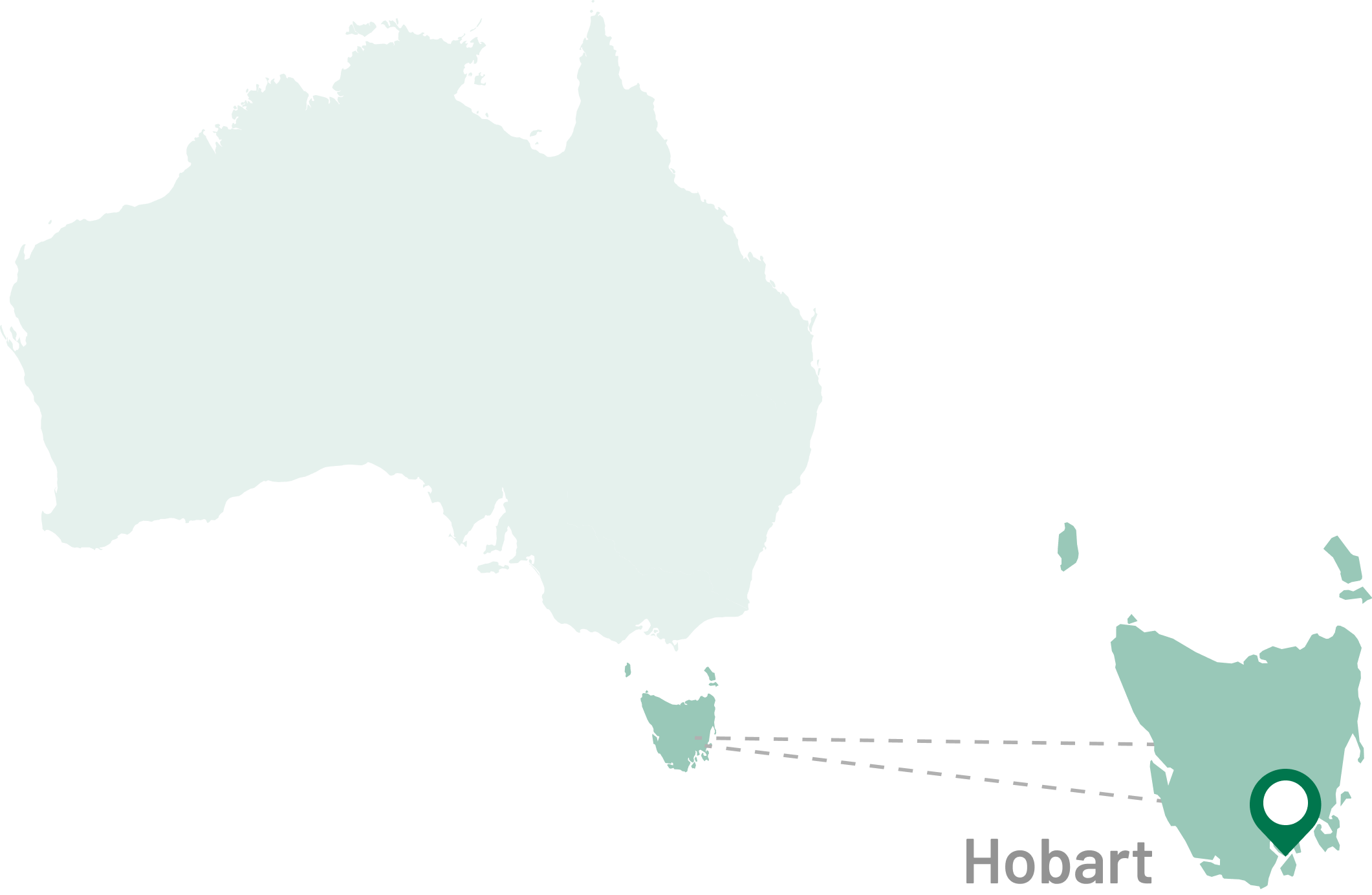
Our legal expertise in migration law extends far beyond assisting clients in Australia's capital cities. We provide comprehensive support to individuals, families, and businesses in many locations across the country.
Administrative Review Tribunal application fees
Applicants need to pay a Tribunal application fee when lodging an appeal, subject to eligibility for any fee reductions. As of 1 July 2026, the standard ART filing fee is $3,727 for a reviewable migration decision, $2,293 for a reviewable protection decision (generally only payable if unsuccessful), and $1,195 for other reviewable decisions, with a concessional fee of $100 available in eligible circumstances.
Legal representation and preparation costs
Legal fees vary depending on the complexity of the case and the level of representation required.
Additional document preparation expenses
Costs may arise for obtaining supporting evidence, translations, and other documentation.
ART appeals involve complex legal and procedural requirements, and the outcome can have significant consequences for your migration status. Engaging a migration lawyer can help identify legal issues, prepare strong submissions, and make sure your case is presented effectively.
Australian Migration Lawyers provides tailored legal advice and representation for ART appeals. Contact our Hobart team to discuss your matter and understand your options.
.webp)







Our Hobart office brings nationally recognised immigration law expertise directly to Hobart and Tasmania clients. Every award listed below was earned through independent assessment, including peer review, client feedback, and workplace audits. When you work with our immigration lawyers in Hobart, you are working with a firm whose quality has been verified from the outside.

Perry Q. Wood is ranked as a Leading Immigration Lawyer in Victoria in Doyle's Guide 2026. Four consecutive years of inclusion in Doyle's Guide establishes a verified, long-term record of excellence and peer recognition in Australian immigration law.

Australian Migration Lawyers is ranked in the 2027 Best Law Firms - Australia edition by Best Lawyers. Firm rankings are determined through client feedback, peer nominations, and overall market reputation. Inclusion confirms the firm delivers top-tier legal services in immigration law at a national level.

Perry Q. Wood is recognised in the 2027 Best Lawyers in Australia™ edition for Immigration Law. This ranking is awarded exclusively through confidential peer review by senior lawyers in the same practice area. It is the leading global legal directory benchmark.

The government costs vary for each visa type, and you also need to factor in the cost of living while you await the outcome of your visa application. Consulting a reliable Hobart immigration lawyer can clarify details relating to specific visas and guide you on professional fees, Department of Home Affairs fees and other associated costs.
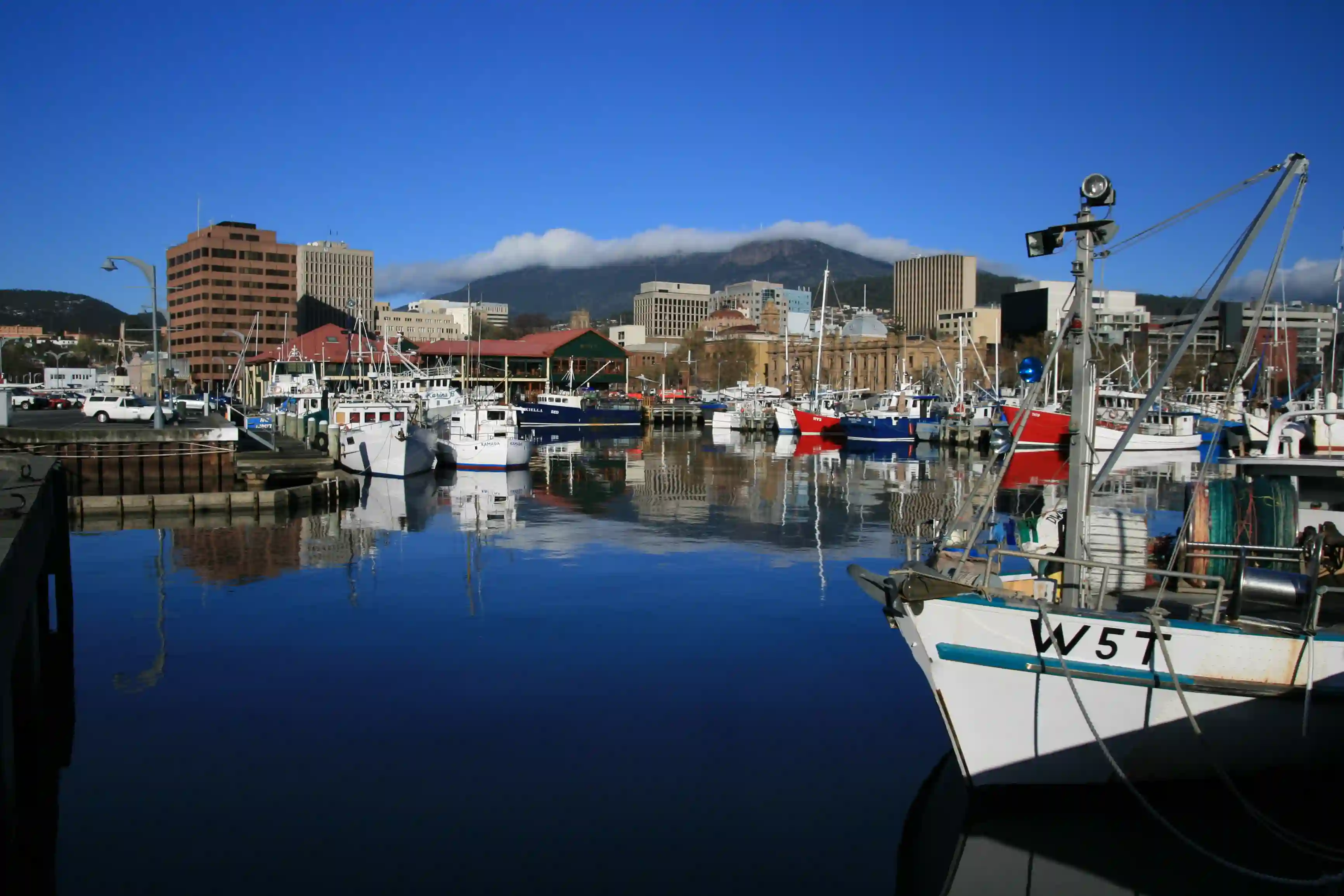
Hobart is Australia's second-oldest capital city, founded in 1804 as a British penal colony on the banks of the Derwent River. The Palawa people are the traditional custodians of the land, and their presence in Tasmania dates back at least 35,000 years. European settlement brought convicts primarily from England, Ireland, and Scotland, and the cessation of transportation in 1853 marked the beginning of Hobart's transition toward a free settler society. Read More
The post-World War II era brought migrants from Italy, Greece, Yugoslavia, and Poland to Hobart, gradually diversifying a city that had remained predominantly Anglo-Celtic throughout its early history. In more recent decades, Hobart has welcomed humanitarian entrants and skilled migrants from China, India, Bhutan, Nepal, and across Southeast Asia. Today, Hobart retains the highest proportion of Australian-born residents among Australia's capital cities, but its migrant community continues to grow steadily, enriching the city's cultural fabric and contributing to its ongoing economic recovery and growth. Read Less
Hobart is Australia's second-oldest capital city, founded in 1804 as a British penal colony on the banks of the Derwent River. The Palawa people are the traditional custodians of the land, and their presence in Tasmania dates back at least 35,000 years. European settlement brought convicts primarily from England, Ireland, and Scotland, and the cessation of transportation in 1853 marked the beginning of Hobart's transition toward a free settler society.
The post-World War II era brought migrants from Italy, Greece, Yugoslavia, and Poland to Hobart, gradually diversifying a city that had remained predominantly Anglo-Celtic throughout its early history. In more recent decades, Hobart has welcomed humanitarian entrants and skilled migrants from China, India, Bhutan, Nepal, and across Southeast Asia. Today, Hobart retains the highest proportion of Australian-born residents among Australia's capital cities, but its migrant community continues to grow steadily, enriching the city's cultural fabric and contributing to its ongoing economic recovery and growth.


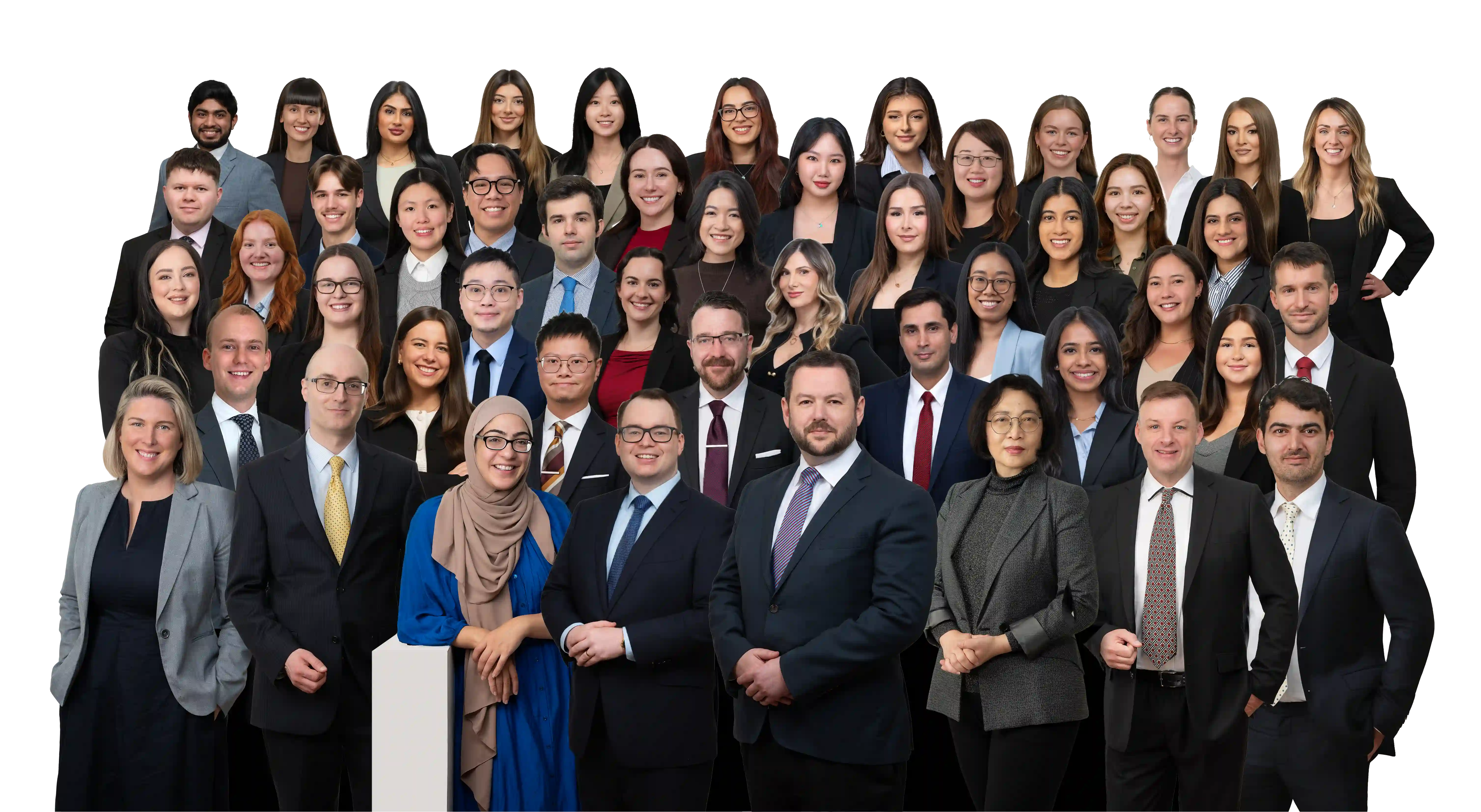
Perry Q Wood is Immediate Past President of the Australian Institute of Administrative Law and one of Australia's leading administrative, immigration and human rights lawyers.
Tell us a little about your situation, and one of our migration lawyers will contact you as soon as possible.
Our experienced migration lawyers are here to help —risk-free. Ask about our No Visa, No Fee options and we'll guide you through every step of your journey.
No Visa, No Fee T's and C's apply
.webp)