Australia's largest independent migration law firm. Get a FREE Consultation T&C's apply
Need help? We are available 7 days a week.


Tell us about your situation, and our immigration lawyers will get back to you shortly.
Tell us about your situation, and our immigration lawyers will get back to you shortly.


2026 Telstra Best of Business Awards Nominee

Judicial Review of Migration Decisions in Canberra Courts
If your visa or migration matter has been refused by the Administrative Review Tribunal (ART), you may still have legal options through a migration court review. Our Canberra migration court review lawyers advise on whether a tribunal decision involves a legal error and whether it can be challenged in court. We help prepare judicial review applications, build the legal argument, and represent you so your case is properly put before the Federal Circuit and Family Court or the Federal Court.

Ranked Best Lawyers
2026 & 2027
.png)
Winner of the
Australian Law Awards
.webp)
Ranked Best Law
Firms Australia 2027

Ranked in Doyle’s
Guide Leading Immigration
Lawyers 2023-26
Tell us about your situation, and we will get back to you shortly.
Tell us about your situation, and we will get back to you shortly.


There are no hidden costs for our services. Our fees are clearly set out in a fee agreement.

From the first same-day response to the granting of your Australian visa, you’ll have direct access to a lawyer.

Our experienced lawyers will give you regular updates and clear explanations of visa pathways.

We offer a client satisfaction guarantee in relation to our visa application services.

3 - 6 months installment options available on some visa types.
At your first consultation, you'll meet directly with a migration lawyer, who will explain our services, discuss your options, and guide you through the process from start to finish. A fixed, upfront fee applies to any ongoing work, and a clear understanding of your options and a structured plan matters when pursuing a visa, permanent residency, or citizenship outcome.
We offer flexible payment options, and online appointments are available alongside our friendly, in-person support.

Call us on 1300 150 745

Monday – Friday: 9am – 6pm
Saturday – Sunday: 9am – 1pm

Bank transfer, credit card (Mastercard, VISA, or AMEX), 3-6 monthly instalments available in some cases

Level 9/2, Phillip Law St, Canberra ACT 2601

Partner visas allow spouses and de facto partners of Australian citizens or permanent residents to live in Australia, either temporarily or permanently. We assist with partner visa applications and appeals, ensuring relationship evidence is properly prepared and presented.
Partner Visa
Protection visas are available to individuals who seek Australia's protection due to a well-founded fear of harm in their home country. We provide sensitive and professional legal support throughout the application process.
Protection Visa
Employer-sponsored visas allow Australian employers to sponsor skilled workers to fill labour shortages. We assist both employers and employees in meeting sponsorship obligations and visa requirements.
Employer-Sponsored Visa
Skilled migration visas enable qualified workers to live and work in Australia based on their skills, qualifications, and experience. We advise on skilled migration pathways and related visa matters.
Skilled Migration Visa-p-2000.webp)
ART appeals let applicants seek an independent review of certain visa refusal or cancellation decisions made by the Department of Home Affairs, reassessing the case on its facts and the law. We represent clients in Administrative Review Tribunal matters, preparing strategic submissions and advocacy to support the strongest possible case.
ART Appeal%20(1)-p-2000.webp)
Visa refusal appeals allow applicants to seek review of a negative decision through the appropriate legal channels. We offer legal advice and representation to assist with appeal processes.
Visa Refusal Appeal-p-2000.webp)
Australian citizenship allows eligible individuals to become formal members of the Australian community with full rights and responsibilities. We assist with citizenship applications and eligibility assessments.
Australian Citizenship
Family visas allow eligible relatives to reunite with family members in Australia under various migration pathways. We provide advice on family visa options and assist with complex application requirements.
Family Visa
Parent visas enable eligible parents of Australian citizens or permanent residents to migrate to Australia, subject to sponsorship and strict eligibility criteria. Our team provides guidance on parent visa applications and available review options.
Parent Visa-p-2000.webp)
Visa cancellation may occur where visa conditions or legal requirements are not met. We provide urgent legal advice and representation to address cancellation issues and protect your immigration status.
Visa Cancellation
Visitor visas allow individuals to travel to Australia for tourism, family visits, or short-term business purposes. We assist with applications and provide support in cases involving refusals or complications.
Visitor Visa
years of combined experience
.webp)
for Partner visas for genuine and continuing spousal relationships
.webp)
migration lawyers and migration agents representing clients at tribunal and court level
.webp)
law firm, recognised as leading migration lawyers and migration agents
Find your destination:
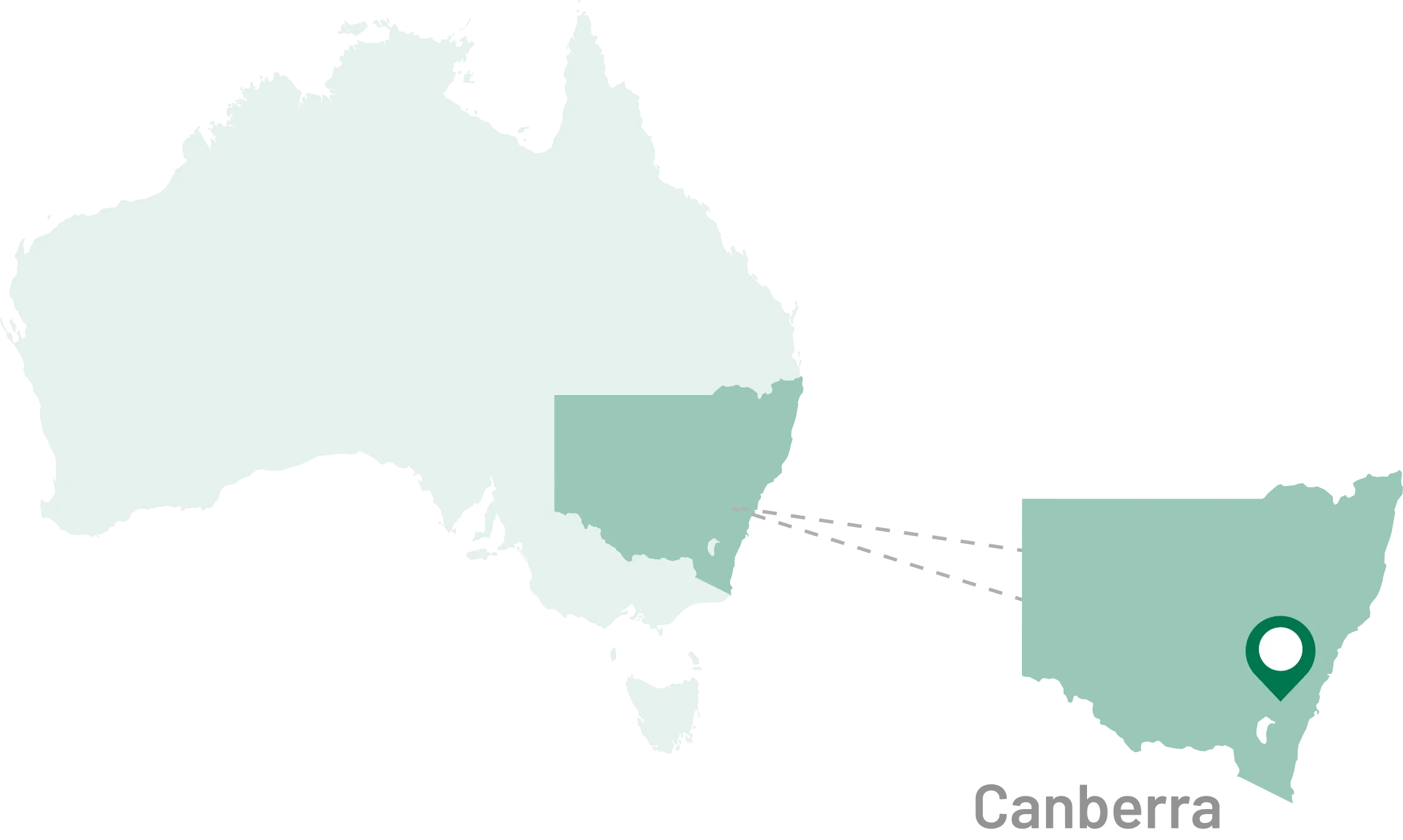
Our legal expertise in migration law extends far beyond assisting clients in Australia's capital cities. We provide comprehensive support to individuals, families, and businesses in many locations across the country.

Strict time limits apply to migration court review applications. Under Section 477 of the Migration Act 1958, an application for judicial review of a migration decision must generally be filed within 35 days of the decision, and the court may extend this deadline at its discretion "in the interests of justice." Missing this deadline can significantly limit your legal options, so seeking advice as early as possible matters.

Federal court filing fees
As of 1 July 2026, the filing fee for a migration judicial review application is $4,180 for an individual paying the full rate, or $2,090 at the reduced rate. A setting-down fee and a daily hearing fee also apply, at $1,035 each for an individual, or $2,495 each for a corporation.
Legal representation and litigation costs
Costs vary depending on the complexity of the case and the level of court involvement required.
Additional legal preparation expenses
These may include document preparation, affidavits, and expert legal submissions.

A migration court review involves complex legal principles and strict procedural rules. Legal representation helps ensure your application is properly prepared, identifies valid legal grounds, and keeps track of court deadlines, submissions, and hearing preparation throughout.
We offer experienced legal representation in migration litigation matters, including judicial review applications before the Federal Circuit and Family Court and Federal Court. Being based in Canberra, home to the Nigel Bowen Commonwealth Law Courts where ACT federal court migration matters are heard, our team is well placed to assist locally. Our approach centres on identifying legal errors, building strong arguments, and guiding clients through what can be a complex court process, with clear advice on prospects, risks, and any alternative pathways available.


ACT federal court migration matters, including those before the Federal Circuit and Family Court and the Federal Court, are heard at the Nigel Bowen Commonwealth Law Courts, on the corner of University Avenue and Childers Street, Canberra City ACT 2600. This is the Court's own premises, not an Australian Migration Lawyers office, and is provided here for reference in case you need to attend in person or direct correspondence to the Court.






Our Canberra office brings nationally recognised immigration law expertise directly to clients across Canberra and the Australian Capital Territory. Every award listed below was earned through independent assessment, including peer review, client feedback, and workplace audits. When you work with our immigration lawyers in Canberra, you are working with a firm whose quality has been independently recognised.


.svg)
.svg)
Australian Migration Lawyers is ranked in the 2027 Best Law Firms - Australia edition by Best Lawyers. Firm rankings are determined through client feedback, peer nominations, and overall market reputation. Inclusion confirms the firm delivers top-tier legal services in immigration law at a national level.

Perry Q. Wood is recognised in the 2027 Best Lawyers in Australia™ edition for Immigration Law. This ranking is awarded exclusively through confidential peer review by senior lawyers in the same practice area. It is the leading global legal directory benchmark.

Perry Q. Wood is ranked as a Leading Immigration Lawyer in Victoria in Doyle's Guide 2026. Four consecutive years of inclusion in Doyle's Guide establishes a verified, long-term record of excellence and peer recognition in Australian immigration law.

The government costs vary for each visa type, and you also need to factor in the cost of living while you await the outcome of your visa application. Consulting a reliable Canberra immigration lawyer can clarify details relating to specific visas and guide you on professional fees, Department of Home Affairs fees and other associated costs.

%20(1)%20(1).webp)

%20(1).webp)
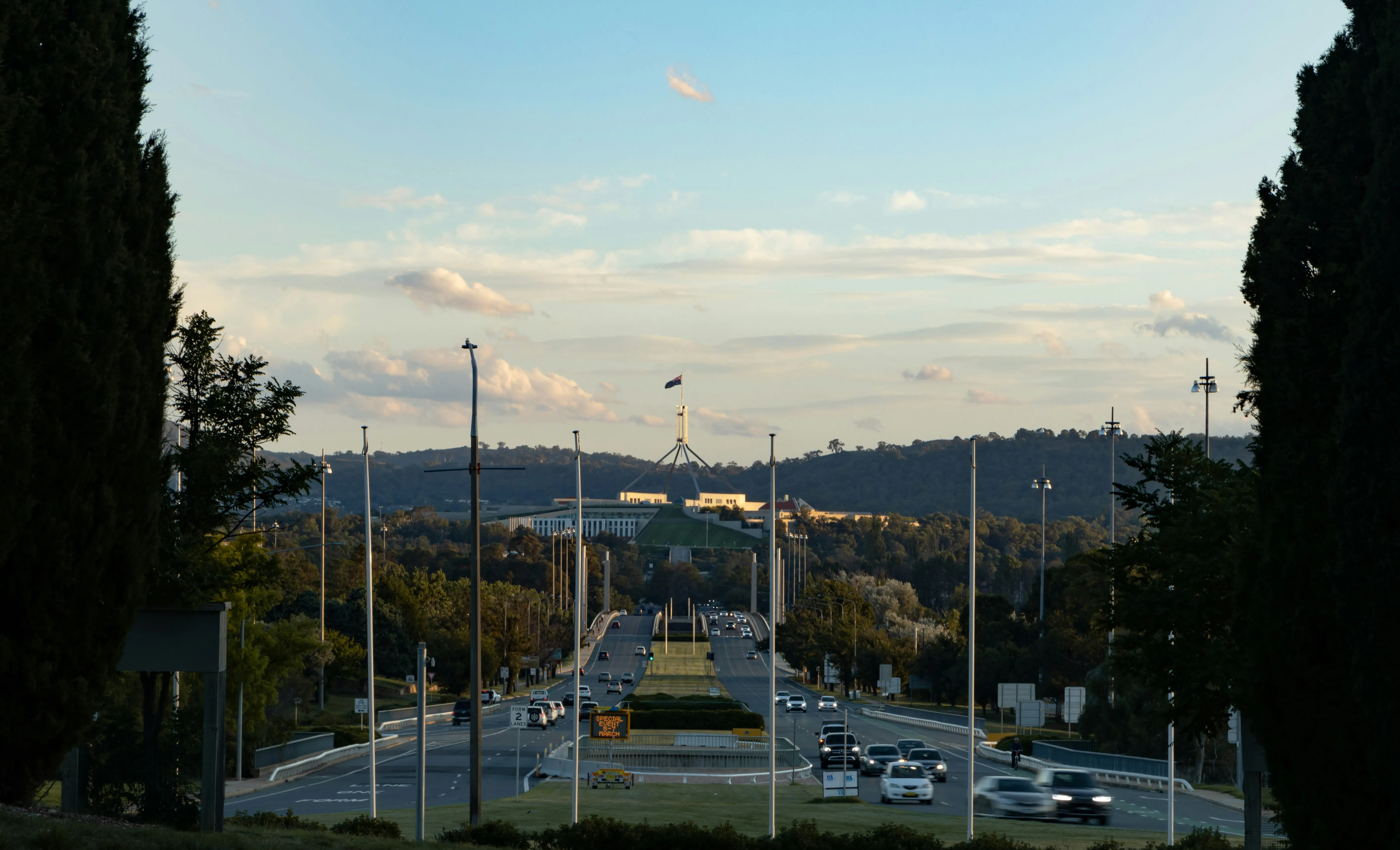
Canberra's migration history has been shaped by its role as Australia's national capital and a centre for government, education, and research. Following the city's establishment in the early 20th century, skilled workers, public servants, and professionals from across Australia and overseas contributed to its growth and development.Read More
From the post-World War II period onwards, Canberra welcomed migrants from Europe, Asia, the Middle East, and Africa, reflecting Australia's evolving migration program. Today, the city is home to a diverse and highly skilled multicultural community, with migrants contributing across the public service, higher education, healthcare, technology, and professional services sectors.Read less
Canberra's migration history has been shaped by its role as Australia's national capital and a centre for government, education, and research. Following the city's establishment in the early 20th century, skilled workers, public servants, and professionals from across Australia and overseas contributed to its growth and development.
From the post-World War II period onwards, Canberra welcomed migrants from Europe, Asia, the Middle East, and Africa, reflecting Australia's evolving migration program. Today, the city is home to a diverse and highly skilled multicultural community, with migrants contributing across the public service, higher education, healthcare, technology, and professional services sectors.

Perry Q Wood is Immediate Past President of the Australian Institute of Administrative Law and one of Australia’s leading administrative, immigration and human rights lawyers.
Tell us a little about your situation, and one of our migration lawyers will contact you as soon as possible.
Our experienced migration lawyers are here to help —risk-free. Ask about our No Visa, No Fee options and we'll guide you through every step of your journey.