Australia's largest independent migration law firm. Get a FREE Consultation T&C's apply
¿Necesita ayuda? Estamos a su disposición 7 días a la semana.


Cuéntenos su situación y nuestros abogados de inmigración se pondrán en contacto con usted en breve.
Cuéntenos su situación y nuestros abogados de inmigración se pondrán en contacto con usted en breve.


Nominado a los premios «Telstra Best of Business Awards» de 2026
Judicial Review of Migration Decisions in Canberra Courts
If your visa or migration matter has been refused by the Administrative Review Tribunal (ART), you may still have legal options through a migration court review. Our Canberra migration court review lawyers advise on whether a tribunal decision involves a legal error and whether it can be challenged in court. We help prepare judicial review applications, build the legal argument, and represent you so your case is properly put before the Federal Circuit and Family Court or the Federal Court.

Nombrado entre los mejores abogados en «
» en 2026 y 2027
.png)
Ganador de los Premios Australianos de Derecho «
»
.webp)
Clasificadas como las mejores firmas de abogados de Australia en el ámbito de la «
» en 2027

Incluido en la guía «
» de Doyle como uno de los mejores abogados especializados en inmigración de
para el periodo 2023-26
Cuéntenos su situación y nos pondremos en contacto con usted en breve.
Cuéntenos su situación y nos pondremos en contacto con usted en breve.


Nuestros servicios no tienen costes ocultos. Nuestros honorarios se establecen claramente en un acuerdo de honorarios.

Desde la primera respuesta en el mismo día hasta la concesión de su visado australiano, tendrá acceso directo a un abogado.

Nuestros experimentados abogados le informarán periódicamente y le explicarán con claridad las vías de obtención de visados.

Ofrecemos una garantía de satisfacción del cliente en relación con nuestros servicios de solicitud de visados.

Opciones de pago a plazos de 3 a 6 meses disponibles en algunos tipos de visado.
At your first consultation, you'll meet directly with a migration lawyer, who will explain our services, discuss your options, and guide you through the process from start to finish. A fixed, upfront fee applies to any ongoing work, and a clear understanding of your options and a structured plan matters when pursuing a visa, permanent residency, or citizenship outcome.
We offer flexible payment options, and online appointments are available alongside our friendly, in-person support.

Call us on 1300 150 745

Monday – Friday: 9am – 6pm
Saturday – Sunday: 9am – 1pm

Bank transfer, credit card (Mastercard, VISA, or AMEX), 3-6 monthly instalments available in some cases

Level 9/2, Phillip Law St, Canberra ACT 2601

Partner visas allow spouses and de facto partners of Australian citizens or permanent residents to live in Australia, either temporarily or permanently. We assist with partner visa applications and appeals, ensuring relationship evidence is properly prepared and presented.
Visado de socio
Protection visas are available to individuals who seek Australia's protection due to a well-founded fear of harm in their home country. We provide sensitive and professional legal support throughout the application process.
Visado de protección
Employer-sponsored visas allow Australian employers to sponsor skilled workers to fill labour shortages. We assist both employers and employees in meeting sponsorship obligations and visa requirements.
Employer-Sponsored Visa
Skilled migration visas enable qualified workers to live and work in Australia based on their skills, qualifications, and experience. We advise on skilled migration pathways and related visa matters.
Visado de inmigración para trabajadores cualificados-p-2000.webp)
ART appeals let applicants seek an independent review of certain visa refusal or cancellation decisions made by the Department of Home Affairs, reassessing the case on its facts and the law. We represent clients in Administrative Review Tribunal matters, preparing strategic submissions and advocacy to support the strongest possible case.
Campaña ART%20(1)-p-2000.webp)
Visa refusal appeals allow applicants to seek review of a negative decision through the appropriate legal channels. We offer legal advice and representation to assist with appeal processes.
Visa Refusal Appeal-p-2000.webp)
Australian citizenship allows eligible individuals to become formal members of the Australian community with full rights and responsibilities. We assist with citizenship applications and eligibility assessments.
Ciudadanía australiana
Family visas allow eligible relatives to reunite with family members in Australia under various migration pathways. We provide advice on family visa options and assist with complex application requirements.
Visado familiar
Parent visas enable eligible parents of Australian citizens or permanent residents to migrate to Australia, subject to sponsorship and strict eligibility criteria. Our team provides guidance on parent visa applications and available review options.
Visado para padres-p-2000.webp)
Visa cancellation may occur where visa conditions or legal requirements are not met. We provide urgent legal advice and representation to address cancellation issues and protect your immigration status.
Cancelación de visado
Visitor visas allow individuals to travel to Australia for tourism, family visits, or short-term business purposes. We assist with applications and provide support in cases involving refusals or complications.
Visado de visitante
años de experiencia combinada
.webp)
para visados de pareja destinados a relaciones conyugales auténticas y duraderas
.webp)
abogados y agentes especializados en inmigración que representan a sus clientes ante los tribunales y las cortes
.webp)
reconocido como uno de los principales abogados y agentes de migración
Encuentra tu destino:
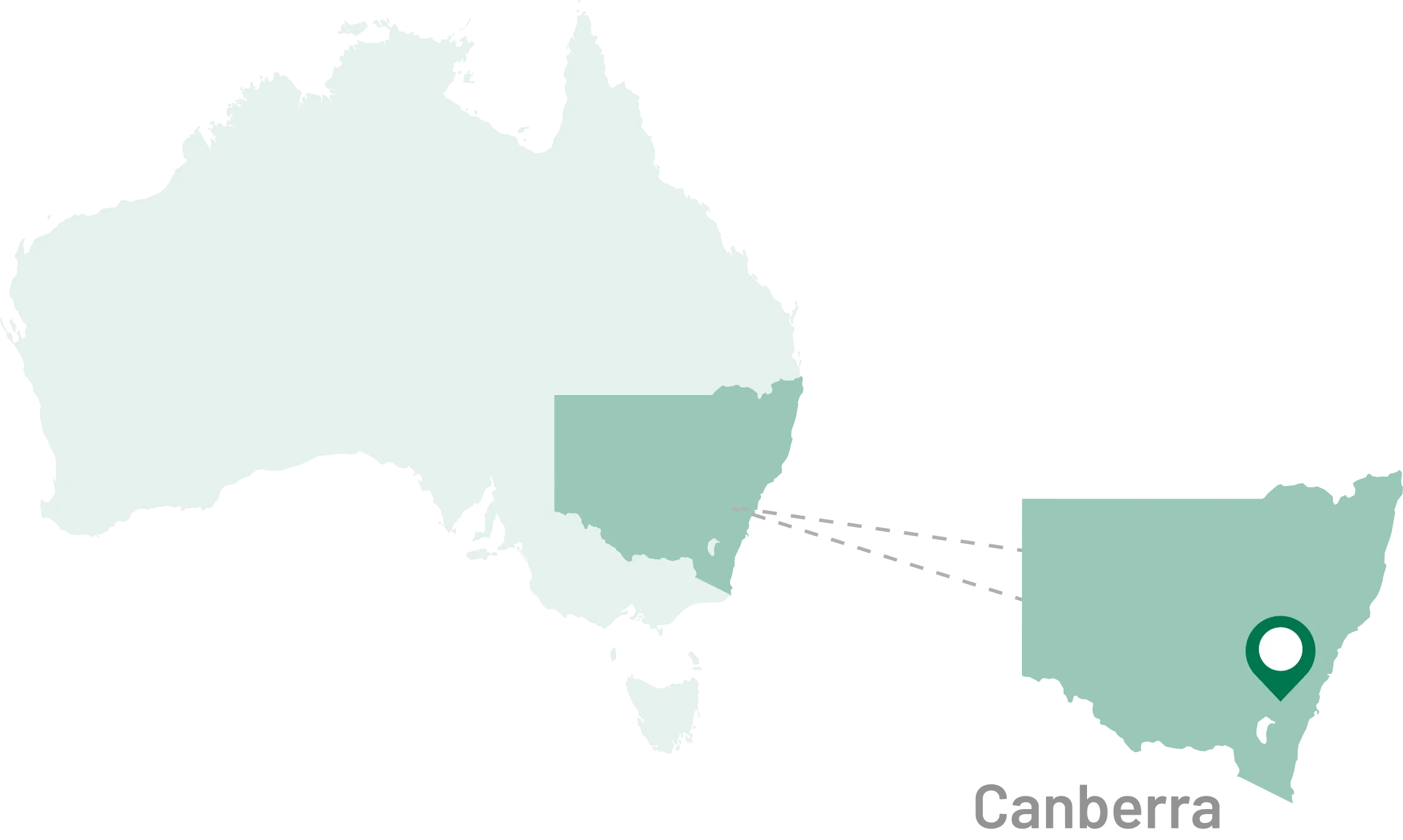
Nuestra experiencia jurídica en derecho de migración va mucho más allá de la asistencia a clientes en las capitales de Australia. Proporcionamos apoyo integral a particulares, familias y empresas en muchos lugares de todo el país.

Strict time limits apply to migration court review applications. Under Section 477 of the Migration Act 1958, an application for judicial review of a migration decision must generally be filed within 35 days of the decision, and the court may extend this deadline at its discretion "in the interests of justice." Missing this deadline can significantly limit your legal options, so seeking advice as early as possible matters.
Federal court filing fees
As of 1 July 2026, the filing fee for a migration judicial review application is $4,180 for an individual paying the full rate, or $2,090 at the reduced rate. A setting-down fee and a daily hearing fee also apply, at $1,035 each for an individual, or $2,495 each for a corporation.
Legal representation and litigation costs
Costs vary depending on the complexity of the case and the level of court involvement required.
Additional legal preparation expenses
These may include document preparation, affidavits, and expert legal submissions.

A migration court review involves complex legal principles and strict procedural rules. Legal representation helps ensure your application is properly prepared, identifies valid legal grounds, and keeps track of court deadlines, submissions, and hearing preparation throughout.
We offer experienced legal representation in migration litigation matters, including judicial review applications before the Federal Circuit and Family Court and Federal Court. Being based in Canberra, home to the Nigel Bowen Commonwealth Law Courts where ACT federal court migration matters are heard, our team is well placed to assist locally. Our approach centres on identifying legal errors, building strong arguments, and guiding clients through what can be a complex court process, with clear advice on prospects, risks, and any alternative pathways available.


ACT federal court migration matters, including those before the Federal Circuit and Family Court and the Federal Court, are heard at the Nigel Bowen Commonwealth Law Courts, on the corner of University Avenue and Childers Street, Canberra City ACT 2600. This is the Court's own premises, not an Australian Migration Lawyers office, and is provided here for reference in case you need to attend in person or direct correspondence to the Court.






Nuestra oficina de Canberra ofrece a los clientes de Canberra y del Territorio de la Capital Australiana una experiencia en derecho de inmigración reconocida a nivel nacional. Todos los premios que se enumeran a continuación se han obtenido mediante evaluaciones independientes, que incluyen revisiones por pares, opiniones de los clientes y auditorías en el lugar de trabajo. Cuando trabajas con nuestros abogados especializados en inmigración en Canberra, lo haces con un bufete cuya calidad ha sido reconocida de forma independiente.


.svg)
.svg)
Australian Migration Lawyers figura en la edición de 2027 de «Best Law Firms - Australia» de Best Lawyers. La clasificación de los bufetes se determina a partir de las opiniones de los clientes, las nominaciones de otros profesionales del sector y la reputación general en el mercado. Esta inclusión confirma que el bufete presta servicios jurídicos de primer nivel en materia de derecho de inmigración a escala nacional.

Perry Q. Wood ha sido incluido en la edición de 2027 de «Best Lawyers in Australia™» en la categoría de Derecho de Inmigración. Esta clasificación se otorga exclusivamente mediante una evaluación confidencial realizada por abogados de reconocido prestigio que ejercen en la misma especialidad. Se trata del principal referente mundial en directorios jurídicos.

Perry Q. Wood figura como uno de los principales abogados especializados en inmigración de Victoria en la Doyle's Guide 2026. Su inclusión durante cuatro años consecutivos en la Doyle's Guide constituye una prueba fehaciente de su trayectoria de excelencia y del reconocimiento de sus colegas en el ámbito del derecho de inmigración australiano.

The government costs vary for each visa type, and you also need to factor in the cost of living while you await the outcome of your visa application. Consulting a reliable Canberra immigration lawyer can clarify details relating to specific visas and guide you on professional fees, Department of Home Affairs fees and other associated costs.

%20(1)%20(1).webp)

%20(1).webp)
La historia migratoria de Canberra se ha visto marcada por su papel como capital nacional de Australia y centro de la administración pública, la educación y la investigación. Tras la fundación de la ciudad a principios del siglo XX, trabajadores cualificados, funcionarios y profesionales procedentes de toda Australia y del extranjero contribuyeron a su crecimiento y desarrollo.Leer más
Desde el periodo posterior a la Segunda Guerra Mundial, Canberra ha acogido a inmigrantes procedentes de Europa, Asia, Oriente Medio y África, lo que refleja la evolución del programa de inmigración de Australia. En la actualidad, la ciudad alberga una comunidad multicultural diversa y altamente cualificada, y los inmigrantes contribuyen en sectores como la administración pública, la educación superior, la sanidad, la tecnología y los servicios profesionales.Leer menos
La historia migratoria de Canberra se ha visto marcada por su papel como capital nacional de Australia y centro de la administración pública, la educación y la investigación. Tras la fundación de la ciudad a principios del siglo XX, trabajadores cualificados, funcionarios y profesionales procedentes de toda Australia y del extranjero contribuyeron a su crecimiento y desarrollo.
Desde el periodo posterior a la Segunda Guerra Mundial, Canberra ha acogido a inmigrantes procedentes de Europa, Asia, Oriente Medio y África, lo que refleja la evolución del programa de inmigración de Australia. En la actualidad, la ciudad alberga una comunidad multicultural diversa y altamente cualificada, y los inmigrantes contribuyen de forma significativa en los sectores de la función pública, la educación superior, la sanidad, la tecnología y los servicios profesionales.

Perry Q Wood es ex Presidente del Instituto Australiano de Derecho Administrativo y uno de los principales abogados australianos especializados en derecho administrativo, inmigración y derechos humanos.
Cuéntenos un poco su situación y uno de nuestros abogados especializados en migración se pondrá en contacto con usted lo antes posible.
Our experienced migration lawyers are here to help —risk-free. Ask about our No Visa, No Fee options and we'll guide you through every step of your journey.