¿Necesita ayuda? Estamos a su disposición los 7 días de la semanaLeermás

Australia's largest independent migration law firm. Get a FREE Consultation T&C's apply

¿Necesita ayuda? Nuestros abogados y agentes de migración están disponibles 7 días a la semana para ayudarle.

Icono del símbolo de la cruz
Abierto 7 días
Icono de smartphone
1300 150 745

Migration Court Review Lawyers Sydney

Judicial Review of Migration Decisions in Sydney Courts

If your visa or migration matter has been refused by the Administrative Review Tribunal (ART), you may still have legal options through a migration court review. Our Sydney migration court review lawyers offer expert advice on whether a tribunal decision contains a legal error and whether it can be challenged in court. We help with preparing judicial review applications, legal arguments, and court representation, so your case is properly put before the Federal Circuit or Federal Court.

Nombrado entre los mejores abogados en «
» en 2026 y 2027

Ganador de los Premios Australianos de Derecho «
»

Clasificadas como las mejores firmas de abogados de Australia en el ámbito de la «
» en 2027

Incluido en la guía «
» de Doyle como uno de los mejores abogados especializados en inmigración de
para el periodo 2023-26

Icono gráfico del chat

Solicite su consulta

Cuéntenos su situación y nos pondremos en contacto con usted en breve.

Copia de descargo de responsabilidad

Muchas gracias. Hemos recibido su envío.
¡Uy! Algo ha ido mal al enviar el formulario.
Icono gráfico del chat

Solicite su consulta

Cuéntenos su situación y nos pondremos en contacto con usted en breve.

Copia de descargo de responsabilidad

Muchas gracias. Hemos recibido su envío.
¡Uy! Algo ha ido mal al enviar el formulario.

What Is a Migration Court Review?

A migration court review is a legal process where a court looks at whether a migration decision was made according to law. Unlike an appeal, the court doesn't reassess the facts of your visa case, it focuses on whether a legal error occurred during the decision-making process.

Difference between ART appeals and court reviews
ART appeals involve a full merits review, where the tribunal reassesses the facts and evidence. Court reviews, by contrast, only look at whether the tribunal or decision-maker made a legal or procedural error.
Role of the Federal Circuit and Federal Court
These courts examine migration decisions to work out whether a jurisdictional error or other legal mistake occurred. They don't substitute their own decision, but they can set aside a decision that was made unlawfully.
Legal grounds required for judicial review
You need to show that a legal error occurred, such as procedural unfairness, a misinterpretation of the law, or a failure to properly consider relevant evidence.

When Can You Apply for a Migration Court Review?

After an unsuccessful ART appeal

You may be able to apply for a court review if your ART appeal was unsuccessful and you believe the tribunal made a legal error in reaching its decision.

When there is a legal error in the tribunal decision

Court review is only available where the decision involves a jurisdictional or legal error, not simply because you disagree with the result.

When procedural fairness was denied

If you weren't given a fair chance to present your case, respond to adverse information, or receive proper notice, you may have grounds for review.

Courts That Handle Migration Judicial Reviews

Federal Circuit and Family Court of Australia (Migration Division)

This court handles most migration judicial review applications and is usually the first level of court review for visa matters.

Federal Court of Australia

The Federal Court hears more complex or significant migration matters, including appeals from the Federal Circuit Court in certain circumstances.

High Court of Australia (special leave applications)

In rare cases, a migration matter may reach the High Court, but only where special leave is granted because of an important legal question.

Migration Court Review Legal Assistance in Sydney

Reviewing tribunal decisions for legal errors

We carry out a detailed review of your ART decision, including the written reasons, hearing transcript where one's available, and supporting case materials. The focus is on working out whether the tribunal made a jurisdictional error, failed to apply the law correctly, overlooked relevant evidence, or relied on something irrelevant. This step matters a great deal, because migration court reviews are strictly limited to legal errors, not a re-hearing of the facts.

Preparing court applications and legal arguments

Where legal grounds exist, we prepare and lodge the necessary court documents within strict filing deadlines. That includes drafting the judicial review application, setting out the specific legal grounds relied on, and preparing supporting affidavits and evidence. We also build structured legal submissions that draw on relevant migration law and case authorities, to clearly show how and why the tribunal's decision should be challenged.

Representation during court hearings

We provide full representation throughout Federal Circuit Court or Federal Court proceedings, including directions hearings, interlocutory applications, and final hearings. We present oral arguments on your behalf, respond to the Department's submissions, and address any questions the judge raises. Our role is to make sure your case is clearly and persuasively presented in line with migration law requirements.

Strategic advice for complex immigration litigation

We give honest, practical advice on the strengths and weaknesses of your case, including how it's likely to fare in court. Where it's relevant, we also advise on alternative migration pathways available if court action isn't viable or doesn't succeed, including reapplication options, alternative visa subclasses, or other legal remedies depending on your circumstances and immigration history.

La diferencia de Australian Migration Lawyers

Meet With Our Sydney Migration Court Review Lawyers

At your first consultation, you'll meet directly with a migration lawyer, who'll explain our services, talk through your options, and guide you through what the process involves. You'll also get a fixed, upfront fee for ongoing work.

Having a clear picture of your options and a structured plan matters, whatever you're working toward, a visa, permanent residency, or citizenship.

We offer flexible payment options, and alongside our in-person, compassionate support, online appointments are available too for convenience.

Visit us icon

Visítenos

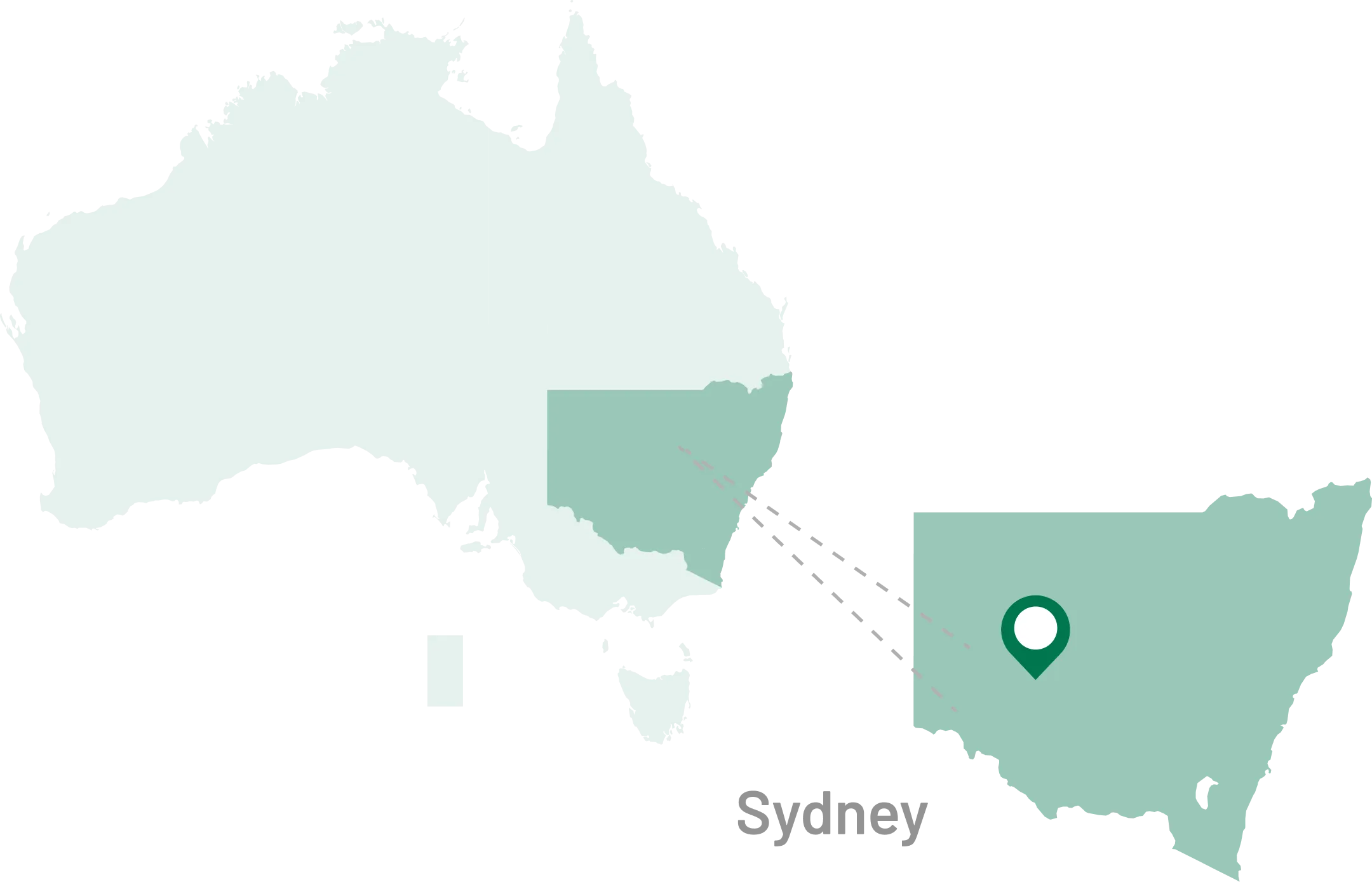
Planta 11, calle Clarence, 66, Sídney NSW 2000

Icono del teléfono

Teléfono

Call us on 1300 207 442

Office hours icon

Horario de atención al público

Monday – Friday: 9am – 6pm

Saturday – Sunday: 9am – 1pm

Parking icon

Aparcamiento

Secure parking at Sun Parking (2 min walk)

Payment options icon

Formas de pago

Bank transfer, credit card (Mastercard, VISA, or AMEX), 3–6 monthly instalments available in some cases

Visa Services from Trusted Sydney Migration Lawyers

Más de 50 años

años de experiencia combinada

100% de éxito

para visados de pareja destinados a relaciones conyugales auténticas y duraderas

Con experiencia

abogados y agentes especializados en inmigración que representan a sus clientes ante los tribunales y las cortes

Galardonado

reconocido como uno de los principales abogados y agentes de migración

Nuestras historias de éxito en Sídney

Sedes regionales

Encuentra tu destino:

Servicios jurídicos expertos en migración en toda Australia

Nuestra experiencia jurídica en derecho de migración va mucho más allá de la asistencia a clientes en las capitales de Australia. Proporcionamos apoyo integral a particulares, familias y empresas en muchos lugares de todo el país.

o

Migration Court Review Process

1

Reviewing the ART decision for legal errors

We carefully go through the tribunal's decision to identify any jurisdictional or procedural error that could support a court challenge.

2

Filing a judicial review application in court

Where grounds exist, we prepare and lodge the necessary court documents within strict legal time limits.

3

Preparing legal submissions and evidence

We draft detailed legal arguments setting out the errors made in the decision, backed by supporting case law.

4

Court hearings and legal arguments

We represent you in court, presenting arguments and responding to the Department's submissions.

5

Court judgment and possible outcomes

The court may set aside the decision, send the matter back for reconsideration, or dismiss the application.

Legal Grounds for Judicial Review

Jurisdictional error by the tribunal

A jurisdictional error happens when the ART goes beyond its legal authority or doesn't exercise its power correctly under migration law. This can include applying the wrong legal test, misreading the scope of its own decision-making power, or reaching findings that aren't legally available on the evidence. Where a jurisdictional error is established, the court can set the decision aside, treating it as legally invalid.

Denial of procedural fairness

Procedural fairness, also called natural justice, means you're given a fair, reasonable chance to present your case and respond to adverse information before a decision is made against you. A denial might occur if you weren't properly told about issues affecting your case, weren't given access to adverse material, or weren't given a genuine opportunity to respond. Courts take procedural fairness seriously, and a breach can form solid grounds for judicial review.

Failure to consider relevant evidence

A tribunal decision can be legally flawed if it doesn't properly engage with evidence that's relevant and material to the outcome. That doesn't mean every piece of evidence has to be accepted, but the tribunal does need to genuinely grapple with key documents, testimony, or country information that could reasonably affect the result. Overlooking significant evidence can amount to a legal error.

Incorrect interpretation of the migration law

This ground comes up where the tribunal misapplies, misreads, or wrongly interprets provisions of the Migration Act 1958 or its regulations. That might mean applying the wrong legal threshold, relying on an outdated reading of the law, or getting the eligibility criteria wrong. If the legal framework is applied incorrectly in a way that affects the outcome, the decision can be open to judicial review.
Revisión del Tribunal de Migración

Important Deadlines for Migration Court Reviews

An application for judicial review of a migration decision must generally be filed within 35 days of the date of the decision, under Section 477 of the Migration Act 1958. The court has discretion to extend this time limit where it's in the interests of justice to do so, but a late application still needs to explain why, and there's no guarantee an extension will be granted. Missing this deadline without a successful extension can significantly limit your legal options, so getting advice as early as possible matters.

Documents Required for a Migration Court Review

ART decision and tribunal records

The written decision and related tribunal documents are essential for identifying any legal errors.

Migration application history

This includes your visa applications, refusals, and appeal records.

Supporting legal documentation

Any evidence relevant to procedural fairness or legal errors should be included.

Written legal arguments and affidavits

These form the basis of your court case and set out the grounds for review.

Possible Outcomes of a Migration Court Review

Court sets aside the tribunal decision

If the court finds a jurisdictional or legal error occurred, it can set aside, or quash, the Tribunal's decision. That means the original decision is legally invalid and no longer stands, and in some cases this reopens the matter for reconsideration. The court itself doesn't usually grant a visa, though, its role is to correct legal errors in how the decision was made.

Court sends the case back for reconsideration

Where a decision is set aside, the court will often remit the matter back to the ART or the original decision-maker for reconsideration. That means your case gets decided again, this time applying the law as the court has clarified it. The outcome isn't guaranteed, but the decision does need to be made again without the legal error that was identified.

Court dismisses the application

If the court decides no jurisdictional or legal error has been established, the application is dismissed and the original tribunal decision stays in place. This means the court is satisfied the decision was made lawfully, even if the result isn't what you wanted. In most cases, this also ends the judicial review process, subject to any further, limited appeal rights.

Risks and Considerations in Migration Court Litigation

Legal costs and court fees

Court proceedings can involve significant legal and filing costs, depending on how complex the matter is.

Risk of losing the case

If unsuccessful, you may need to accept the original visa refusal outcome.

Importance of strong legal grounds

Court reviews only succeed where a clear legal error can be shown.

Equipo de abogados australianos especializados en inmigración

Costs Involved in a Migration Court Review

Federal court filing fees

Filing an application for judicial review of a migration decision with the Federal Circuit and Family Court costs $4,180, or a reduced fee of $2,090 where a Registrar or authorised officer approves this, effective 1 July 2026. If the matter proceeds to a hearing, a setting-down fee and a daily hearing fee of $1,035 each generally apply. These fees are set by Commonwealth regulation under the Federal Court and Federal Circuit and Family Court Regulations 2022, not by the Court itself, and are reviewed annually. Exemptions or reductions may be available in cases of financial hardship or for certain concession card holders.

Legal representation and litigation costs

Costs vary depending on how complex the case is and how much court involvement is needed.

Additional legal preparation expenses

These can include document preparation, affidavits, and expert legal submissions.

Why Choose Our Sydney Migration Court Review Lawyers

We offer experienced legal representation in migration litigation, including judicial review applications in the Federal Circuit and Federal Court. Our approach centres on identifying legal errors, building strong arguments, and guiding clients through complex court processes. We give clear advice on prospects, risks, and alternative visa pathways where relevant.

Revisión del Tribunal de Migración

Sydney's Federal Circuit and Family Court

Migration matters in Sydney are heard by the Federal Circuit and Family Court of Australia at the Terrace Tower Group Building, Levels 8, 9 and 13, 80 William Street, Sydney. Registry services for these matters are provided through the Federal Court registry, located on Level 17 of the Law Courts Building, Queens Square, Sydney.

Abogados especializados en inmigración galardonados en Sídney

Nuestra oficina del centro de Sídney ofrece a los clientes de Sídney y Nueva Gales del Sur una experiencia en derecho de inmigración reconocida a nivel nacional. Todos los premios que se enumeran a continuación se han obtenido mediante evaluaciones independientes, que incluyen revisiones por pares, opiniones de los clientes y auditorías en el lugar de trabajo. Cuando trabajas con nuestros abogados especializados en inmigración en Sídney, lo haces con un bufete cuya calidad ha sido verificada por terceros.

2027
|
Los mejores abogados
Best Lawyers in Australia™: Derecho de inmigración

Perry Q. Wood ha sido incluido en la edición de 2027 de «Best Lawyers in Australia™» en la categoría de Derecho de Inmigración. Esta clasificación se otorga exclusivamente mediante una evaluación confidencial realizada por abogados de reconocido prestigio que ejercen en la misma especialidad. Se trata del principal referente mundial en directorios jurídicos.

Leer más
2027
|
Los mejores abogados
Los mejores bufetes de abogados de Australia

Australian Migration Lawyers figura en la edición de 2027 de «Best Law Firms - Australia» de Best Lawyers. La clasificación de los bufetes se determina a partir de las opiniones de los clientes, las nominaciones de otros profesionales del sector y la reputación general en el mercado. Esta inclusión confirma que el bufete presta servicios jurídicos de primer nivel en materia de derecho de inmigración a escala nacional.

Leer más
2026
|
Guía de Doyle
Derecho de inmigración de vanguardia

Perry Q. Wood figura como uno de los principales abogados especializados en inmigración de Victoria en la Doyle's Guide 2026. Su inclusión durante cuatro años consecutivos en la Doyle's Guide constituye una prueba fehaciente de su trayectoria de excelencia y del reconocimiento de sus colegas en el ámbito del derecho de inmigración australiano.

Leer más

Costs involved when applying for an Australian visa in Sydney

The government costs vary for each visa type, and you also need to factor in the cost of living while you await the outcome of your visa application. Consulting a reliable Sydney immigration lawyer can clarify details relating to specific visas and guide you on professional fees, Department of Home Affairs fees and other associated costs.

Reservar consulta

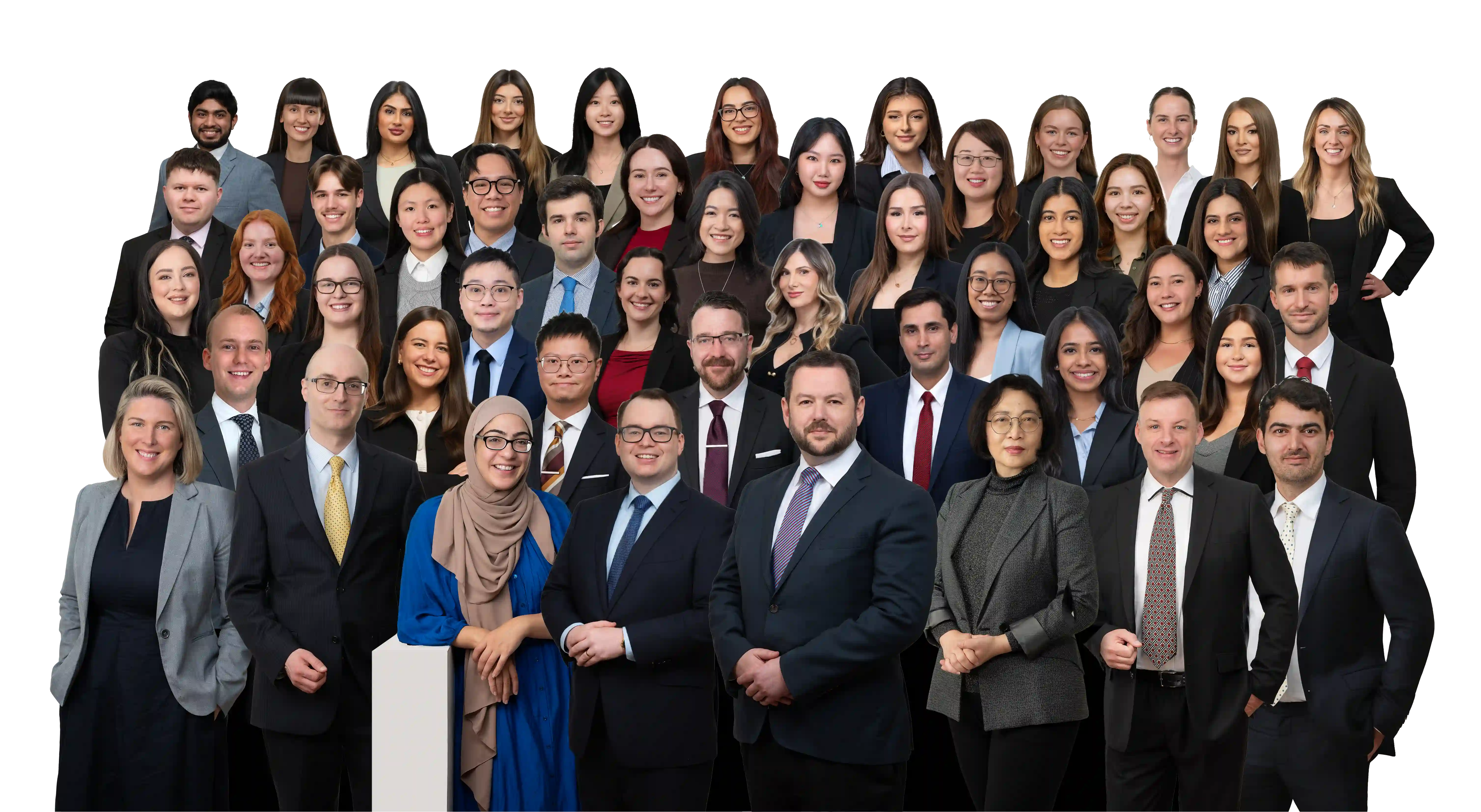
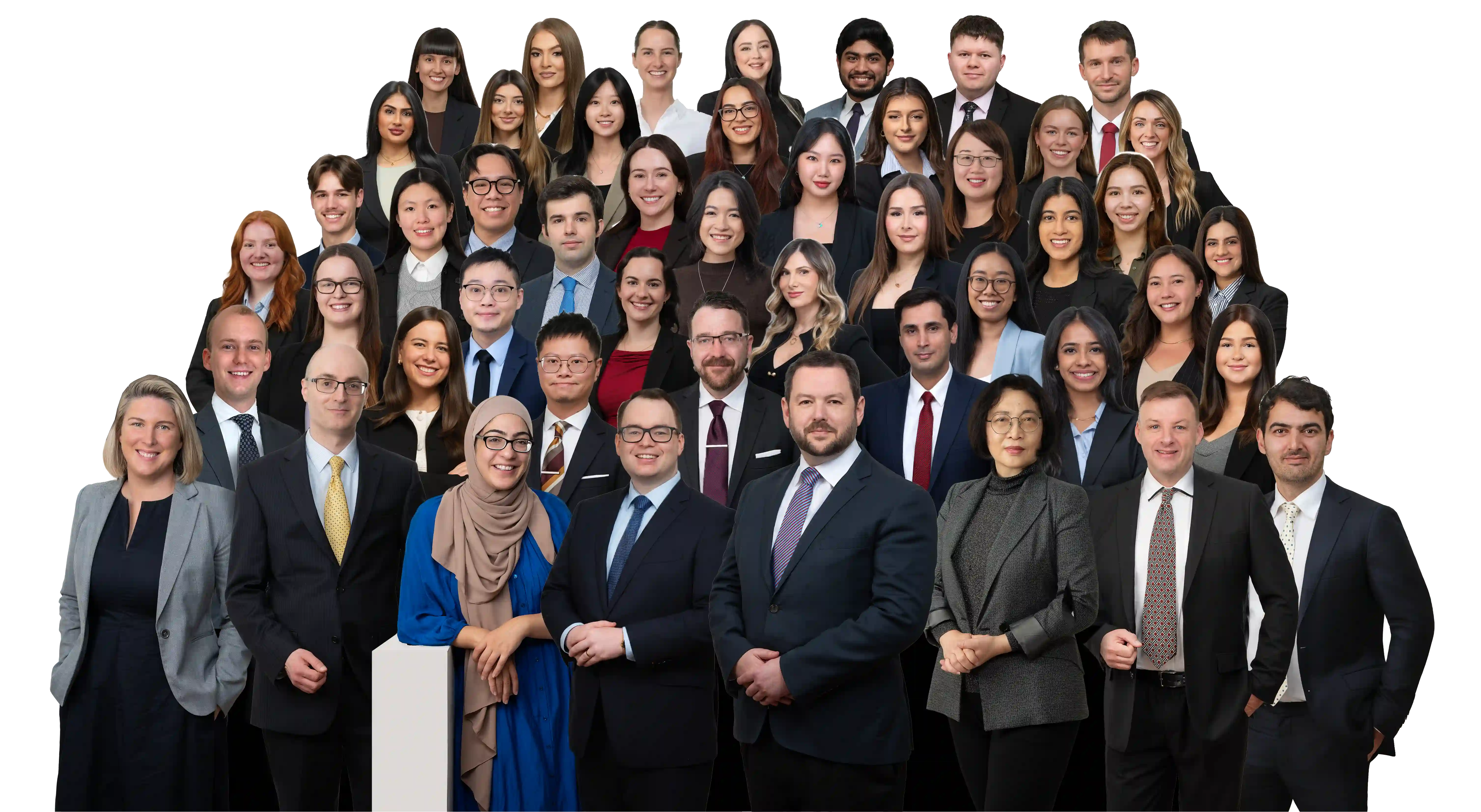
Conoce a nuestro equipo de expertos en Sídney

Nuestros abogados especializados en inmigración en Sídney están a tu disposición para atenderte con cita previa los 7 días de la semana en nuestra oficina de Sídney. Cuando trabajes con nosotros, tratarás directamente con un abogado desde la primera consulta hasta la resolución de tu asunto.
Dra. Cindy Zhao
Carolyn Salman

Historia de la inmigración en Sídney

La historia de la inmigración en Sídney se remonta a finales del siglo XVIII, cuando la ciudad fue el primer punto de llegada de los colonos británicos e irlandeses. La fiebre del oro de la década de 1850 atrajo a inmigrantes de Europa y China, mientras que el periodo posterior a la Segunda Guerra Mundial trajo a la ciudad, concretamente a sus barrios periféricos, grandes comunidades procedentes de Italia, Grecia y Europa del Este.Leer más

El desmantelamiento gradual de la «Política de la Australia Blanca» a partir de la década de 1960 abrió Sídney a la inmigración procedente de Asia, Oriente Medio y el Pacífico. Hoy en día, más de dos de cada cinco residentes de Sídney han nacido en el extranjero, lo que la convierte en una de las ciudades con mayor diversidad cultural del mundo, moldeada por generaciones de inmigrantes procedentes de todos los rincones del planeta.Leer menos

La historia de la inmigración en Sídney se remonta a finales del siglo XVIII, cuando la ciudad fue el primer punto de llegada de los colonos británicos e irlandeses. La fiebre del oro de la década de 1850 atrajo a inmigrantes de Europa y China, mientras que el periodo posterior a la Segunda Guerra Mundial trajo a la ciudad, concretamente a sus barrios periféricos, grandes comunidades procedentes de Italia, Grecia y Europa del Este.

El desmantelamiento gradual de la «Política de la Australia Blanca» a partir de la década de 1960 abrió Sídney a la inmigración procedente de Asia, Oriente Medio y el Pacífico. Hoy en día, más de dos de cada cinco residentes de Sídney han nacido en el extranjero, lo que la convierte en una de las ciudades con mayor diversidad cultural del mundo, moldeada por generaciones de inmigrantes procedentes de todos los rincones del planeta.

We support the LGBTIQ+ community across Australia

FAQs About Migration Court Reviews Sydney

It's a legal process where a court looks at whether a migration decision involved a legal or procedural error.

Generally, 35 days from the date of the decision, under Section 477 of the Migration Act 1958, though the court can extend this in the interests of justice.

Generally, courts focus on legal errors rather than new factual evidence.

Timelines vary, but cases can take several months depending on complexity and the court's schedule.

Legal representation is strongly recommended, given the technical nature of migration law and court procedure.

This page provides general legal information, not legal advice, and doesn't take into account your individual circumstances. If your situation is time-sensitive, we'd encourage you to book a consultation with our team as soon as possible to get advice specific to you.

Sobre el autor del contenido

Perry Q Wood

Perry Q Wood es ex Presidente del Instituto Australiano de Derecho Administrativo y uno de los principales abogados australianos especializados en derecho administrativo, inmigración y derechos humanos.

Solicite su consulta gratuita

Cuéntenos un poco su situación y uno de nuestros abogados especializados en migración se pondrá en contacto con usted lo antes posible.