Avete bisogno di aiuto? Siamo a vostra disposizione 7 giorni su 7Leggitutto

Australia's largest independent migration law firm. Get a FREE Consultation T&C's apply

Avete bisogno di aiuto? I nostri avvocati e agenti di migrazione sono disponibili 7 giorni su 7 per assistervi.

Icona del simbolo della croce
Aperto 7 giorni
Icona dello smartphone
1300 150 745

Migration Court Review Lawyers Sydney

Judicial Review of Migration Decisions in Sydney Courts

If your visa or migration matter has been refused by the Administrative Review Tribunal (ART), you may still have legal options through a migration court review. Our Sydney migration court review lawyers offer expert advice on whether a tribunal decision contains a legal error and whether it can be challenged in court. We help with preparing judicial review applications, legal arguments, and court representation, so your case is properly put before the Federal Circuit or Federal Court.

Inserito nella classifica “Best Lawyers”
per gli anni 2026 e 2027

Vincitore degli Australian Law Awards 20

Classifica dei migliori studi legali di
, Australia 2027

Inserito nella guida “
” di Doyle tra i migliori avvocati specializzati in immigrazione
per il periodo 2023-26

Icona grafica della chat

Richiedi la tua consulenza

Ci parli della sua situazione e la contatteremo al più presto.

Copia di esclusione di responsabilità

Grazie! Il vostro invio è stato ricevuto!
Oops! Qualcosa è andato storto durante l'invio del modulo.
Icona grafica della chat

Richiedi la tua consulenza

Ci parli della sua situazione e la contatteremo al più presto.

Copia di esclusione di responsabilità

Grazie! Il vostro invio è stato ricevuto!
Oops! Qualcosa è andato storto durante l'invio del modulo.

What Is a Migration Court Review?

A migration court review is a legal process where a court looks at whether a migration decision was made according to law. Unlike an appeal, the court doesn't reassess the facts of your visa case, it focuses on whether a legal error occurred during the decision-making process.

Difference between ART appeals and court reviews
ART appeals involve a full merits review, where the tribunal reassesses the facts and evidence. Court reviews, by contrast, only look at whether the tribunal or decision-maker made a legal or procedural error.
Role of the Federal Circuit and Federal Court
These courts examine migration decisions to work out whether a jurisdictional error or other legal mistake occurred. They don't substitute their own decision, but they can set aside a decision that was made unlawfully.
Legal grounds required for judicial review
You need to show that a legal error occurred, such as procedural unfairness, a misinterpretation of the law, or a failure to properly consider relevant evidence.

When Can You Apply for a Migration Court Review?

After an unsuccessful ART appeal

You may be able to apply for a court review if your ART appeal was unsuccessful and you believe the tribunal made a legal error in reaching its decision.

When there is a legal error in the tribunal decision

Court review is only available where the decision involves a jurisdictional or legal error, not simply because you disagree with the result.

When procedural fairness was denied

If you weren't given a fair chance to present your case, respond to adverse information, or receive proper notice, you may have grounds for review.

Courts That Handle Migration Judicial Reviews

Federal Circuit and Family Court of Australia (Migration Division)

This court handles most migration judicial review applications and is usually the first level of court review for visa matters.

Federal Court of Australia

The Federal Court hears more complex or significant migration matters, including appeals from the Federal Circuit Court in certain circumstances.

High Court of Australia (special leave applications)

In rare cases, a migration matter may reach the High Court, but only where special leave is granted because of an important legal question.

Migration Court Review Legal Assistance in Sydney

Reviewing tribunal decisions for legal errors

We carry out a detailed review of your ART decision, including the written reasons, hearing transcript where one's available, and supporting case materials. The focus is on working out whether the tribunal made a jurisdictional error, failed to apply the law correctly, overlooked relevant evidence, or relied on something irrelevant. This step matters a great deal, because migration court reviews are strictly limited to legal errors, not a re-hearing of the facts.

Preparing court applications and legal arguments

Where legal grounds exist, we prepare and lodge the necessary court documents within strict filing deadlines. That includes drafting the judicial review application, setting out the specific legal grounds relied on, and preparing supporting affidavits and evidence. We also build structured legal submissions that draw on relevant migration law and case authorities, to clearly show how and why the tribunal's decision should be challenged.

Representation during court hearings

We provide full representation throughout Federal Circuit Court or Federal Court proceedings, including directions hearings, interlocutory applications, and final hearings. We present oral arguments on your behalf, respond to the Department's submissions, and address any questions the judge raises. Our role is to make sure your case is clearly and persuasively presented in line with migration law requirements.

Strategic advice for complex immigration litigation

We give honest, practical advice on the strengths and weaknesses of your case, including how it's likely to fare in court. Where it's relevant, we also advise on alternative migration pathways available if court action isn't viable or doesn't succeed, including reapplication options, alternative visa subclasses, or other legal remedies depending on your circumstances and immigration history.

La differenza degli avvocati australiani per la migrazione

Meet With Our Sydney Migration Court Review Lawyers

At your first consultation, you'll meet directly with a migration lawyer, who'll explain our services, talk through your options, and guide you through what the process involves. You'll also get a fixed, upfront fee for ongoing work.

Having a clear picture of your options and a structured plan matters, whatever you're working toward, a visa, permanent residency, or citizenship.

We offer flexible payment options, and alongside our in-person, compassionate support, online appointments are available too for convenience.

Visit us icon

Visitateci

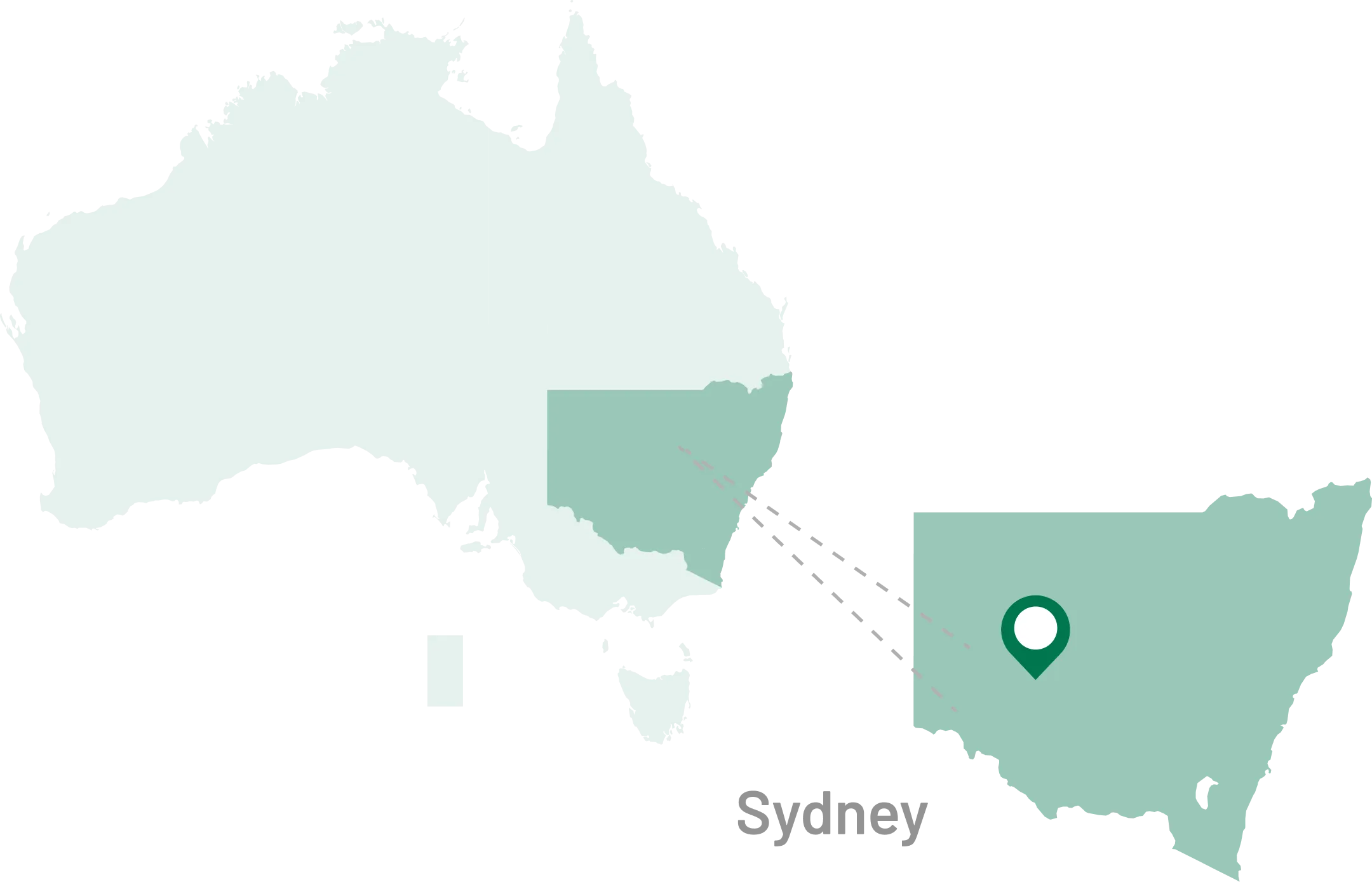
11° piano, 66 Clarence Street, Sydney NSW 2000

Icona del telefono

Telefono

Call us on 1300 207 442

Office hours icon

Orario di ricevimento

Monday – Friday: 9am – 6pm

Saturday – Sunday: 9am – 1pm

Parking icon

Parcheggio

Secure parking at Sun Parking (2 min walk)

Payment options icon

Opzioni di pagamento

Bank transfer, credit card (Mastercard, VISA, or AMEX), 3–6 monthly instalments available in some cases

Visa Services from Trusted Sydney Migration Lawyers

50+ anni

anni di esperienza combinata

100% di successo

per i visti per partner in caso di relazioni coniugali autentiche e durature

Esperienza

avvocati e agenti specializzati in diritto dell'immigrazione che rappresentano i propri clienti dinanzi alle commissioni di ricorso e ai tribunali

Premiato

studio legale, riconosciuto come avvocato leader in materia di migrazione e agente di migrazione

Le nostre storie di successo a Sydney

Sedi regionali

Trovate la vostra destinazione:

Servizi esperti di diritto della migrazione in tutta l'Australia

La nostra esperienza legale in materia di diritto della migrazione va ben oltre l'assistenza ai clienti delle capitali australiane. Forniamo un'assistenza completa a persone, famiglie e aziende in molte località del Paese.

o

Migration Court Review Process

1

Reviewing the ART decision for legal errors

We carefully go through the tribunal's decision to identify any jurisdictional or procedural error that could support a court challenge.

2

Filing a judicial review application in court

Where grounds exist, we prepare and lodge the necessary court documents within strict legal time limits.

3

Preparing legal submissions and evidence

We draft detailed legal arguments setting out the errors made in the decision, backed by supporting case law.

4

Court hearings and legal arguments

We represent you in court, presenting arguments and responding to the Department's submissions.

5

Court judgment and possible outcomes

The court may set aside the decision, send the matter back for reconsideration, or dismiss the application.

Legal Grounds for Judicial Review

Jurisdictional error by the tribunal

A jurisdictional error happens when the ART goes beyond its legal authority or doesn't exercise its power correctly under migration law. This can include applying the wrong legal test, misreading the scope of its own decision-making power, or reaching findings that aren't legally available on the evidence. Where a jurisdictional error is established, the court can set the decision aside, treating it as legally invalid.

Denial of procedural fairness

Procedural fairness, also called natural justice, means you're given a fair, reasonable chance to present your case and respond to adverse information before a decision is made against you. A denial might occur if you weren't properly told about issues affecting your case, weren't given access to adverse material, or weren't given a genuine opportunity to respond. Courts take procedural fairness seriously, and a breach can form solid grounds for judicial review.

Failure to consider relevant evidence

A tribunal decision can be legally flawed if it doesn't properly engage with evidence that's relevant and material to the outcome. That doesn't mean every piece of evidence has to be accepted, but the tribunal does need to genuinely grapple with key documents, testimony, or country information that could reasonably affect the result. Overlooking significant evidence can amount to a legal error.

Incorrect interpretation of the migration law

This ground comes up where the tribunal misapplies, misreads, or wrongly interprets provisions of the Migration Act 1958 or its regulations. That might mean applying the wrong legal threshold, relying on an outdated reading of the law, or getting the eligibility criteria wrong. If the legal framework is applied incorrectly in a way that affects the outcome, the decision can be open to judicial review.
Revisione del Tribunale per l'immigrazione

Important Deadlines for Migration Court Reviews

An application for judicial review of a migration decision must generally be filed within 35 days of the date of the decision, under Section 477 of the Migration Act 1958. The court has discretion to extend this time limit where it's in the interests of justice to do so, but a late application still needs to explain why, and there's no guarantee an extension will be granted. Missing this deadline without a successful extension can significantly limit your legal options, so getting advice as early as possible matters.

Documents Required for a Migration Court Review

ART decision and tribunal records

The written decision and related tribunal documents are essential for identifying any legal errors.

Migration application history

This includes your visa applications, refusals, and appeal records.

Supporting legal documentation

Any evidence relevant to procedural fairness or legal errors should be included.

Written legal arguments and affidavits

These form the basis of your court case and set out the grounds for review.

Possible Outcomes of a Migration Court Review

Court sets aside the tribunal decision

If the court finds a jurisdictional or legal error occurred, it can set aside, or quash, the Tribunal's decision. That means the original decision is legally invalid and no longer stands, and in some cases this reopens the matter for reconsideration. The court itself doesn't usually grant a visa, though, its role is to correct legal errors in how the decision was made.

Court sends the case back for reconsideration

Where a decision is set aside, the court will often remit the matter back to the ART or the original decision-maker for reconsideration. That means your case gets decided again, this time applying the law as the court has clarified it. The outcome isn't guaranteed, but the decision does need to be made again without the legal error that was identified.

Court dismisses the application

If the court decides no jurisdictional or legal error has been established, the application is dismissed and the original tribunal decision stays in place. This means the court is satisfied the decision was made lawfully, even if the result isn't what you wanted. In most cases, this also ends the judicial review process, subject to any further, limited appeal rights.

Risks and Considerations in Migration Court Litigation

Legal costs and court fees

Court proceedings can involve significant legal and filing costs, depending on how complex the matter is.

Risk of losing the case

If unsuccessful, you may need to accept the original visa refusal outcome.

Importance of strong legal grounds

Court reviews only succeed where a clear legal error can be shown.

Team di avvocati australiani specializzati in migrazione

Costs Involved in a Migration Court Review

Federal court filing fees

Filing an application for judicial review of a migration decision with the Federal Circuit and Family Court costs $4,180, or a reduced fee of $2,090 where a Registrar or authorised officer approves this, effective 1 July 2026. If the matter proceeds to a hearing, a setting-down fee and a daily hearing fee of $1,035 each generally apply. These fees are set by Commonwealth regulation under the Federal Court and Federal Circuit and Family Court Regulations 2022, not by the Court itself, and are reviewed annually. Exemptions or reductions may be available in cases of financial hardship or for certain concession card holders.

Legal representation and litigation costs

Costs vary depending on how complex the case is and how much court involvement is needed.

Additional legal preparation expenses

These can include document preparation, affidavits, and expert legal submissions.

Why Choose Our Sydney Migration Court Review Lawyers

We offer experienced legal representation in migration litigation, including judicial review applications in the Federal Circuit and Federal Court. Our approach centres on identifying legal errors, building strong arguments, and guiding clients through complex court processes. We give clear advice on prospects, risks, and alternative visa pathways where relevant.

Revisione del Tribunale per l'immigrazione

Sydney's Federal Circuit and Family Court

Migration matters in Sydney are heard by the Federal Circuit and Family Court of Australia at the Terrace Tower Group Building, Levels 8, 9 and 13, 80 William Street, Sydney. Registry services for these matters are provided through the Federal Court registry, located on Level 17 of the Law Courts Building, Queens Square, Sydney.

Avvocati specializzati in diritto dell'immigrazione pluripremiati a Sydney

Il nostro ufficio nel CBD di Sydney mette a disposizione dei clienti di Sydney e del Nuovo Galles del Sud competenze in materia di diritto dell’immigrazione riconosciute a livello nazionale. Tutti i riconoscimenti elencati di seguito sono stati ottenuti tramite valutazioni indipendenti, tra cui revisioni tra pari, feedback dei clienti e verifiche sul posto di lavoro. Quando vi affidate ai nostri avvocati specializzati in diritto dell’immigrazione a Sydney, collaborate con uno studio la cui qualità è stata verificata da enti esterni.

2027
|
I migliori avvocati
I migliori avvocati in Australia™ - Diritto dell'immigrazione

Perry Q. Wood è stato inserito nell'edizione 2027 di Best Lawyers in Australia™ per il settore del diritto dell'immigrazione. Questa classifica viene stilata esclusivamente sulla base di una valutazione riservata da parte di colleghi avvocati di alto livello operanti nello stesso settore. Si tratta del principale punto di riferimento a livello mondiale nel campo delle directory legali.

Leggi tutto
2027
|
I migliori avvocati
I migliori studi legali in Australia

Lo studio Australian Migration Lawyers è stato inserito nella classifica "2027 Best Law Firms - Edizione Australia" stilata da Best Lawyers. Le classifiche degli studi legali vengono determinate sulla base dei feedback dei clienti, delle candidature presentate dai colleghi e della reputazione complessiva sul mercato. L'inserimento in questa classifica conferma che lo studio offre servizi legali di altissimo livello nel campo del diritto dell'immigrazione a livello nazionale.

Leggi tutto
2026
|
La guida di Doyle
Diritto dell'immigrazione: una guida completa

Perry Q. Wood è stato inserito nella Doyle's Guide 2026 tra i principali avvocati specializzati in diritto dell'immigrazione dello Stato di Victoria. La presenza nella Doyle's Guide per quattro anni consecutivi attesta un percorso di eccellenza comprovato e duraturo, nonché il riconoscimento da parte dei colleghi nel campo del diritto dell'immigrazione australiano.

Leggi tutto

Costs involved when applying for an Australian visa in Sydney

The government costs vary for each visa type, and you also need to factor in the cost of living while you await the outcome of your visa application. Consulting a reliable Sydney immigration lawyer can clarify details relating to specific visas and guide you on professional fees, Department of Home Affairs fees and other associated costs.

Consultazione del libro

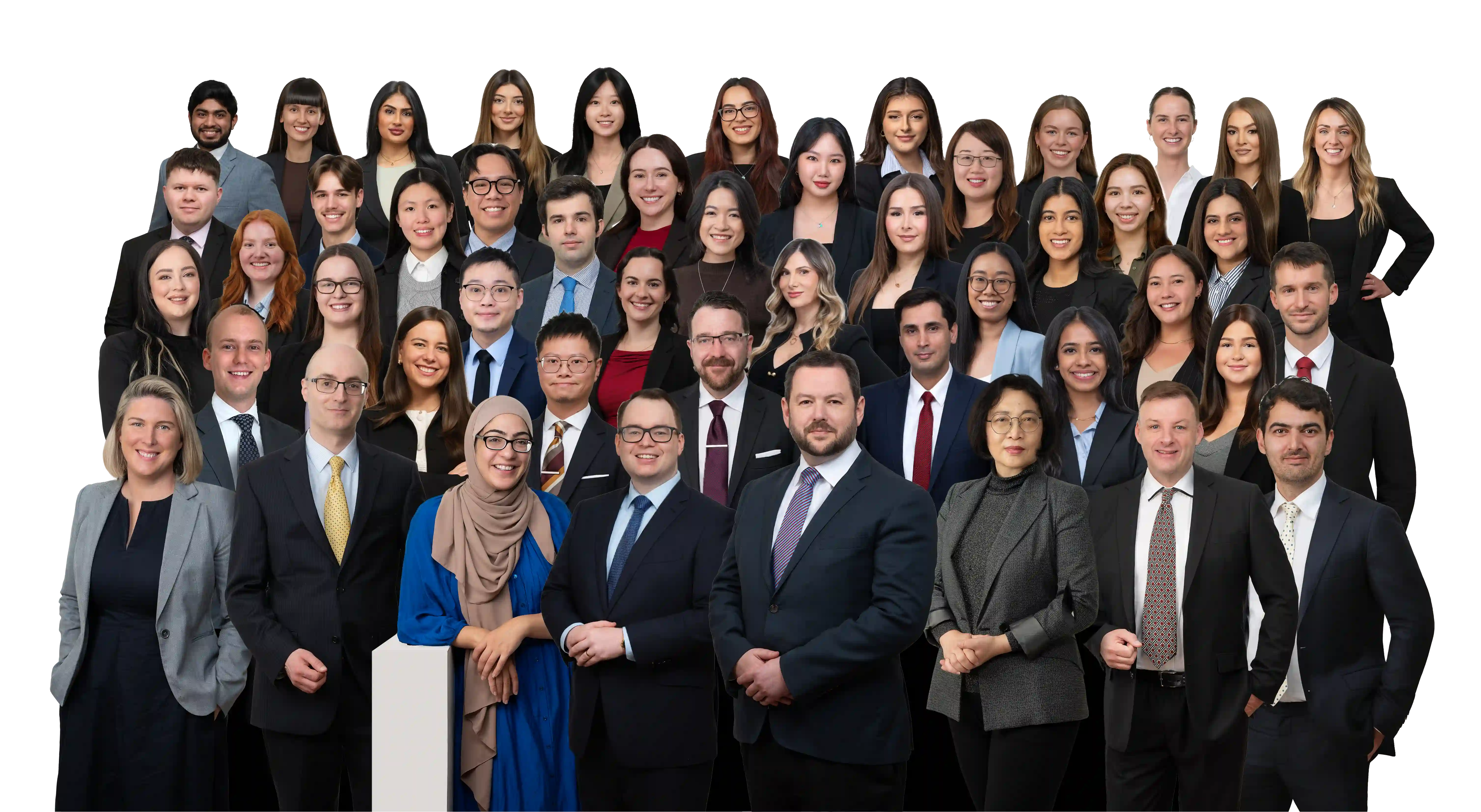
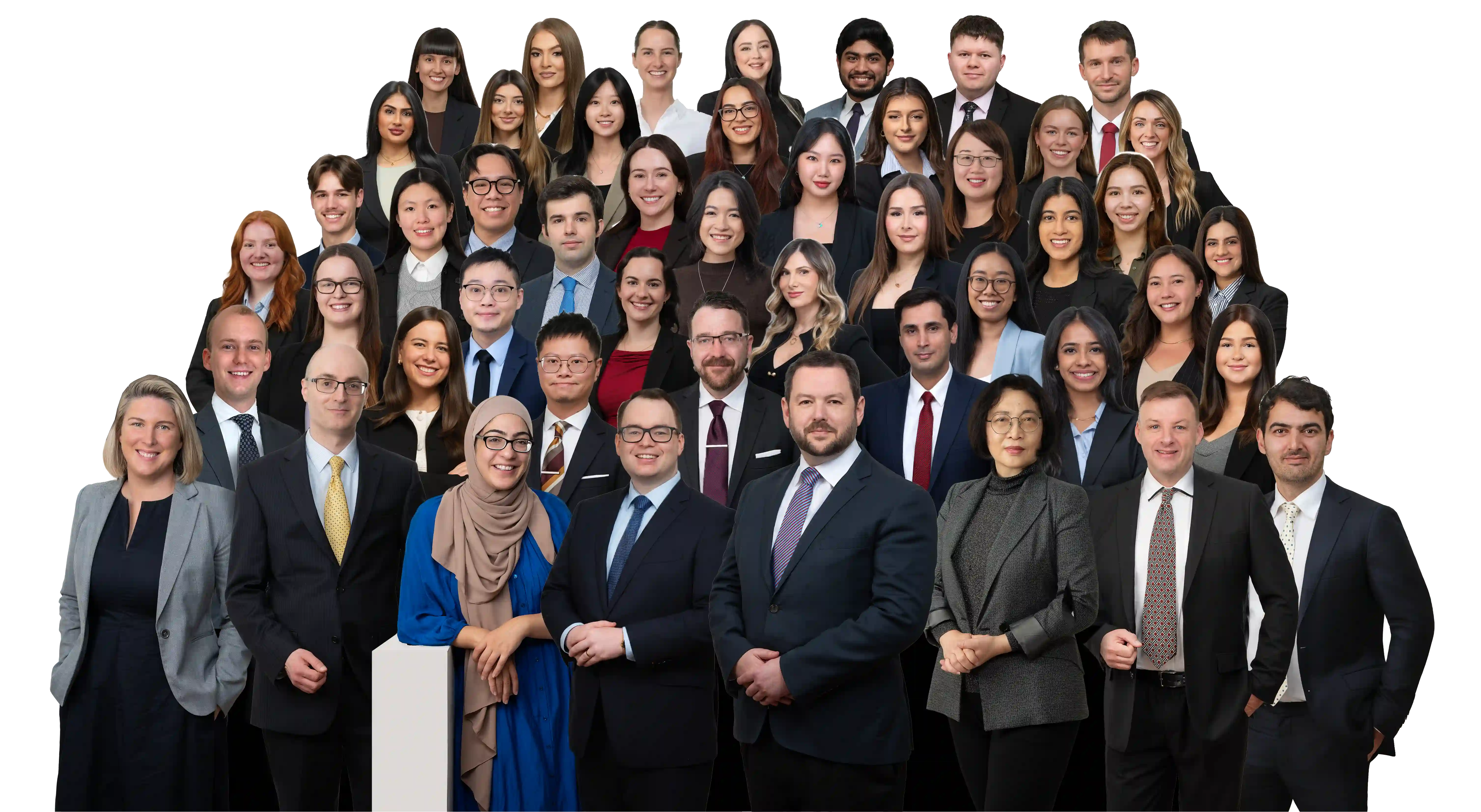
Ti presentiamo il nostro team di esperti a Sydney

I nostri avvocati specializzati in diritto dell'immigrazione a Sydney sono disponibili a incontrarvi su appuntamento 7 giorni su 7 presso il nostro ufficio di Sydney. Quando vi affiderete a noi, avrete a che fare direttamente con un avvocato, dalla prima consulenza fino alla conclusione del vostro caso.
Dott.ssa Cindy Zhao
Carolyn Salman

Storia dell'immigrazione a Sydney

La storia dell'immigrazione a Sydney risale alla fine del XVIII secolo, quando la città costituiva il primo punto di arrivo per i coloni britannici e irlandesi. La corsa all'oro degli anni '50 del XIX secolo attirò immigrati dall'Europa e dalla Cina, mentre il periodo successivo alla seconda guerra mondiale portò nelle periferie interne della città numerose comunità provenienti dall'Italia, dalla Grecia e dall'Europa orientale.Continua a leggere

Il graduale smantellamento della “White Australia Policy” a partire dagli anni ’60 ha aperto Sydney all’immigrazione dall’Asia, dal Medio Oriente e dal Pacifico. Oggi, più di due residenti su cinque a Sydney sono nati all’estero, rendendo la città una delle più multiculturali al mondo, plasmata da generazioni di immigrati provenienti da ogni angolo del globo.Leggi di meno

La storia dell'immigrazione a Sydney risale alla fine del XVIII secolo, quando la città costituiva il primo punto di arrivo per i coloni britannici e irlandesi. La corsa all'oro degli anni '50 del XIX secolo attirò immigrati dall'Europa e dalla Cina, mentre il periodo successivo alla seconda guerra mondiale portò nelle periferie interne della città numerose comunità provenienti dall'Italia, dalla Grecia e dall'Europa orientale.

Il graduale smantellamento della “White Australia Policy” a partire dagli anni ’60 ha aperto Sydney all’immigrazione proveniente dall’Asia, dal Medio Oriente e dal Pacifico. Oggi, più di due residenti su cinque a Sydney sono nati all’estero, rendendo la città una delle più multiculturali al mondo, plasmata da generazioni di immigrati provenienti da ogni angolo del globo.

We support the LGBTIQ+ community across Australia

FAQs About Migration Court Reviews Sydney

It's a legal process where a court looks at whether a migration decision involved a legal or procedural error.

Generally, 35 days from the date of the decision, under Section 477 of the Migration Act 1958, though the court can extend this in the interests of justice.

Generally, courts focus on legal errors rather than new factual evidence.

Timelines vary, but cases can take several months depending on complexity and the court's schedule.

Legal representation is strongly recommended, given the technical nature of migration law and court procedure.

This page provides general legal information, not legal advice, and doesn't take into account your individual circumstances. If your situation is time-sensitive, we'd encourage you to book a consultation with our team as soon as possible to get advice specific to you.

Informazioni sull'autore dei contenuti

Perry Q Wood

Perry Q Wood è l'immediato Past President dell'Australian Institute of Administrative Law e uno dei principali avvocati australiani specializzati in amministrazione, immigrazione e diritti umani.

Richiedete una consulenza gratuita!

Ci parli della sua situazione e uno dei nostri avvocati specializzati in migrazione la contatterà al più presto.