Australia's largest independent migration law firm. Get a FREE Consultation T&C's apply
お困りですか?私どもの弁護士と移住エージェントが週7日体制でお手伝いいたします。


あなたの状況をお聞かせください。私どもの移民弁護士が折り返しご連絡いたします。
あなたの状況をお聞かせください。私どもの移民弁護士が折り返しご連絡いたします。


2026年 テルストラ・ベスト・オブ・ビジネス・アワード ノミネート

溶接工(一級)としてオーストラリアへの移住を検討されている方は、その手続きにおいて、オーストラリアの法律に基づく特定の移住要件、技能評価、および適格基準を満たす必要があることにご留意ください。
申請者は、自身の資格や経験がオーストラリアの基準に合致していることを確認するとともに、ビザの要件も満たし、規定に準拠し、審査にすぐ対応できる申請書類を準備する必要があります。
オーストラリア移民弁護士の法律専門家たちは、豊富な専門知識と確かな実績を活かし、複雑な法的手続きや行政手続きを確実にナビゲートし、お客様が望ましい結果を得られるようサポートいたします。

「ベスト・ローヤーズ」の
部門で2026年および2027年のランキングに選出
.png)
オーストラリア法曹賞の受賞者
.webp)
2027年 オーストラリアのベスト法律事務所ランキング(
)

ドイル社の『
』ガイドにおいて、2023年から2026年までの「
」分野における主要な移民法弁護士としてランクイン
お客様の状況をお聞かせください。
お客様の状況をお聞かせください。

私たちのサービスには隠れた費用はありません。私たちの料金は、料金契約書に明確に記載されています。

最初の即日対応からビザの発給まで、直接弁護士にご相談いただけます。

経験豊富な弁護士が定期的に最新情報を提供し、ビザの経路について分かりやすく説明します。

私たちは、ビザ申請サービスに関して、お客様の満足度を保証します。

ビザの種類によっては3~6ヶ月の分割払いも可能。

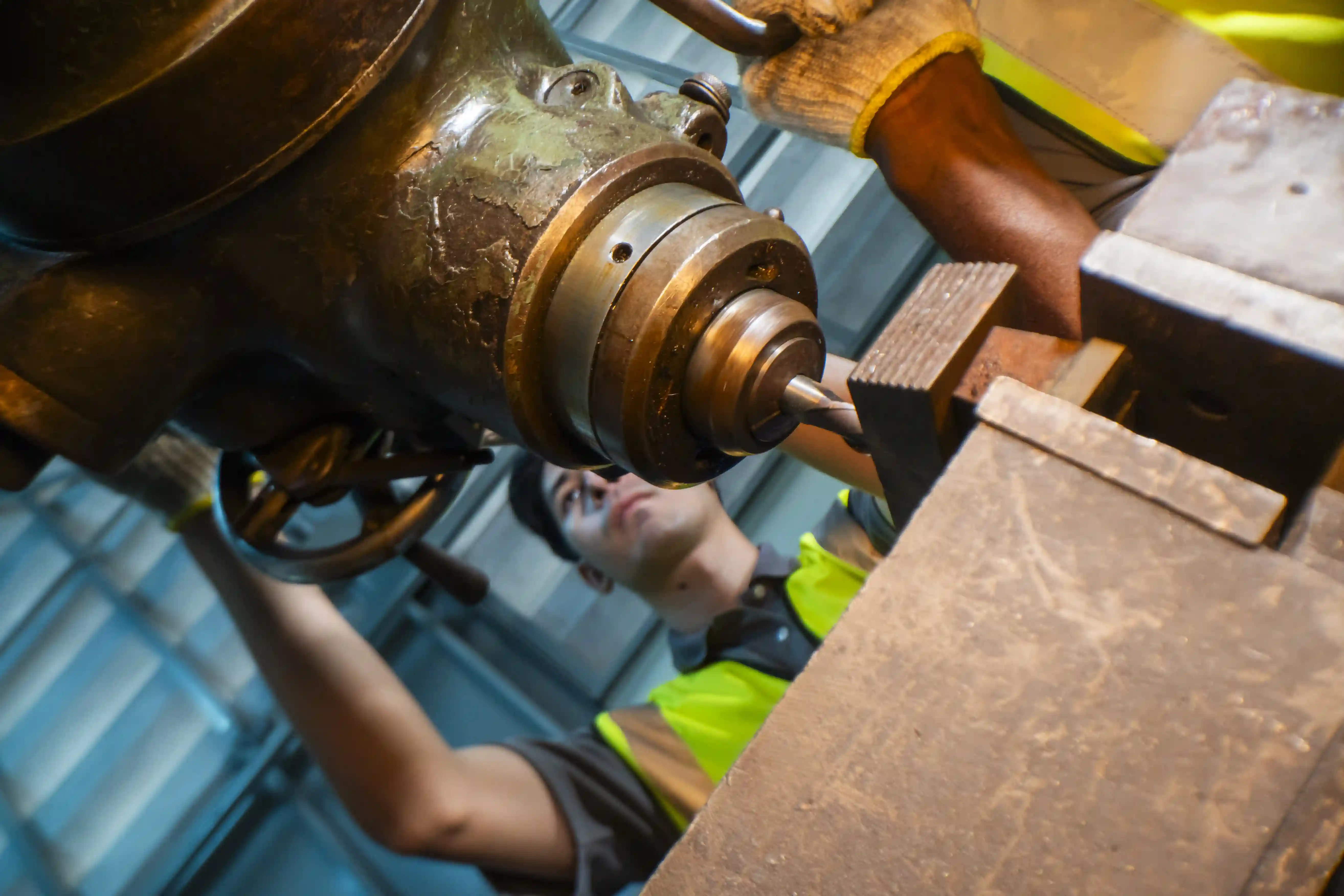
一等溶接工は、金属構造物の製造、組立、修理を担当する熟練技能者であり、特にボイラー、圧力容器、鉄骨構造物、および船舶などのその他の容器を含む鉄鋼構造物の取り扱いに従事する。溶接工は、鉄鋼構造物、ボイラー、圧力容器、配管、船舶、およびその他の容器の金属部品を切断、成形、接合、修理する。
この職務では、さまざまな溶接技術を用いて金属部品の成形、接合、および/または修理を行い、構造物、ボイラー、圧力容器、鉄骨構造物、容器および配管、船舶、その他の船舶に関するすべての作業が、関連する安全基準および品質基準を満たすよう確保します。また、溶接工は圧力容器や配管を関連基準に従って組み立て、溶接、修理を行い、金属部品の総合的な製造および保守における専門性を発揮します。
「溶接工(一級)」はANZSCOコード322313に分類され、一般的にスキルレベル3と評価されます。この分類は、オーストラリアの基準に相当する能力を証明する、関連する職業資格および/または豊富な業界経験が求められることを反映しています。
一等溶接工は、作業環境に応じて様々な技術的業務を担当することがあります。これには通常、技術図面の解釈、溶接用資材の準備、溶接機器の操作、精密な溶接の実施、および仕上がり品が所定の仕様を満たしているかを確認するための検査などが含まれます。
移民申請において、「一級溶接工」を職種として指定する申請者は、通常、Trades Recognition Australia(TRA)による技能評価の合格が必要となります。この評価は、申請者の技能、資格、および経験が、オーストラリアの技能職分野で求められる基準を満たしていることを確認するものです。
TRA技能評価の受験資格は、一般的に申請者の正式な資格および/または関連する実務経験によって決まります。申請者は、自身の研修歴および職歴が、オーストラリアにおける当該職種に求められる能力要件を満たしていることを証明しなければなりません。

移民申請において、「一級溶接工」を職種として指定する申請者は、通常、Trades Recognition Australia(TRA)による技能評価の合格が必要となります。この評価は、申請者の技能、資格、および経験が、オーストラリアの技能職分野で求められる基準を満たしていることを確認するものです。
TRA技能評価の受験資格は、一般的に申請者の正式な資格および/または関連する実務経験によって決まります。申請者は、自身の研修歴および職歴が、オーストラリアにおける当該職種に求められる能力要件を満たしていることを証明しなければなりません。
TRAの審査プロセスでは、資格や職歴の確認が行われるほか、場合によっては実技試験や技術面接が行われることもあります。具体的な審査の流れや要件は、申請者の経歴や対象となるTRAプログラムによって異なります。
「溶接工(一級)」は、関連する熟練職業リストに含まれており、法的な要件を満たすことを条件として、さまざまなビザ取得ルートが利用可能です。
サブクラス189ビザは、雇用主、州、または家族のスポンサーシップを必要としない、ポイント制に基づく永住ビザです。申請者は、一定のポイント数を満たし、関心表明(EOI)を提出した後、オーストラリア政府から申請の招待を受ける必要があります。
サブクラス190ビザの申請には、オーストラリアの州または準州政府による指名が必要です。申請者は、一般的な移住要件に加え、指名機関が定める特定の指名要件も満たす必要があります。
サブクラス491ビザは、州または準州から指名を受けた申請者、あるいは指定地域に住む適格な親族からスポンサーを受けた申請者を対象とした暫定ビザです。このビザは、一定の条件を満たすことを前提として、永住権への道を開くものです。
オーストラリアの認定雇用主が、現地で人材を確保できない職位について「溶接工(第一種)」を指名する意思がある場合、雇用主によるビザ申請の選択肢が利用可能となる場合があります。これらのルートには、スポンサーシップや雇用条件に関する厳格な要件が適用されます。
状況によっては、申請者の個々の事情に応じて、一時滞在ビザや研修ビザなど、別のビザ取得ルートが利用可能な場合があります。これらの選択肢の適用要件はケースバイケースであり、現行の移民法および政策に基づいて審査される必要があります。
ポイント制ビザの場合、申請者は最低ポイント基準を満たし、競争力のあるスコアを獲得する必要があります。ポイントは、年齢、学歴・資格、専門職としての就労経験、英語力などの要素に基づいて付与されます。
免除の対象となる場合を除き、申請者は通常、認定された試験を通じて英語能力を証明する必要があります。必要な英語レベルは、ビザのサブクラスによって異なる場合があります。
すべての申請者は、オーストラリアの健康および品行に関する要件を満たさなければなりません。これには、法的基準に従った健康診断の受診および無犯罪証明書の提出が含まれます。

オーストラリア全土で、特に建設、製造、鉱業、インフラ開発などの業界において、一級溶接工の需要は常に高い。熟練技能者の不足がより顕著な地方地域では、その需要がさらに高まる可能性がある。
雇用条件や希望給与は、経験、勤務地、業界によって異なる場合がありますが、熟練した溶接工は、業界水準に見合った競争力のある給与を得ることが多い傾向にあります。

溶接工(一級)として移民申請を行うには、技能評価の要件、ビザの取得資格、および必要書類といった複雑な枠組みを順を追って理解する必要があります。
オーストラリアの移民弁護士は、お客様の資格要件を審査し、最適なビザ取得ルートをご提案するとともに、現行の移民法に準拠した申請書類を作成することで、皆様をサポートいたします。当チームは、審査に即対応可能な申請書類の作成に注力し、潜在的な問題点に対して先手を打って対処することで、申請が承認される可能性を最大限に高めるよう努めております。
溶接工(一級)としてオーストラリアへの移住をお考えの方は、オーストラリアの移民専門弁護士に連絡し、個々の状況に合わせた法的アドバイスやサポートを受けることをお勧めします。

オーストラリアへのビザ申請は複雑です。オーストラリア移民弁護士によるサポートがあれば、この複雑な手続きを解きほぐし、適切なビザの申請をお手伝いします。

当事務所の弁護士との面談をご希望の方は、ご相談日時をご予約ください。直接お会いするか、Zoomまたはお電話でご相談ください。その後、代理人としての契約を確認する書類をお送りします。

ビザ申請をサポートするための提出書類を作成します。これは、個々の状況に基づき、適切な場合には証拠によって裏付けされます。

関係機関(内務省、裁判所、審判所)に申請書を提出します。申請状況については、引き続きお知らせいたします。

私たちは、あなたの申請についてお知らせし、結果を通知します。不利な結果を受け、再申請が可能な場合は、再申請いたします!




.jpg)



%20(1).webp)
%20(1).webp)


.jpg)




.jpg)
.jpg)

%20(1)%20(1).webp)
%20(1)%20(1).webp)
.jpg)

%20(1).webp)
%20(1).webp)
%20(1).webp)


.jpg)

%20(3).jpg)

.jpg)



%20(1).webp)

%20(1).webp)




%20(7).jpg)
.jpg)
.jpg)
.jpg)
.png)
.jpg)
私たちは、あなたのお住まいがどこであろうと、専門的な移住のアドバイスとサポートを提供します。オーストラリア国内にお住まいの方は、弊社オフィスまたはオンラインにてご相談いただけます。

多くの場合、熟練労働者ビザの申請には、Trades Recognition Australia(TRA)による技能認定の合格が必要です。
オーストラリアの基準に準ずる関連する職業資格を有していることが一般的に望ましいですが、評価の経路によっては実務経験も考慮される場合があります。
TRAの要件によっては、スキル評価プロセスの一環として、実質的かつ関連性のある職務経験が考慮される場合があります。
英語力の要件は、ビザのサブクラスや個々の状況によって異なります。申請者は、移民法で定められた最低基準を満たす必要があります。
多くの技能ビザのサブクラスでは、法的な要件を満たすことを条件に、申請者が対象となる家族を申請に含めることができます。
認定された雇用主が、ビザの要件を満たすことを条件として、適切な職位にあなたを指名できる場合、雇用主によるスポンサーシップが利用可能となる場合があります。
サブクラス190ビザは州の指名が必要な永住ビザであるのに対し、サブクラス491ビザは、一定の条件を満たせば永住権へとつながる可能性のある暫定的な地方居住ビザです。
ペリー・Q・ウッドはオーストラリア行政法学会の前会長であり、オーストラリアを代表する行政・移民・人権弁護士。
お客様の状況をお聞かせいただければ、すぐに移民弁護士からご連絡させていただきます。

%402x.svg)









-p-500.webp)

-p-2000.webp)