Australia's largest independent migration law firm. Get a FREE Consultation T&C's apply
Besoin d'aide ? Nos juristes et agents de migration sont disponibles 7 jours sur 7 pour vous aider.


Faites-nous part de votre situation et nos avocats spécialisés en droit de l'immigration vous contacteront dans les plus brefs délais.
Faites-nous part de votre situation et nos avocats spécialisés en droit de l'immigration vous contacteront dans les plus brefs délais.


Nominé aux Telstra Best of Business Awards 2026

Si vous envisagez d'immigrer en Australie en tant que soudeur (de première classe), sachez que cette procédure implique de satisfaire à des critères spécifiques en matière d'immigration, d'évaluation des compétences et d'éligibilité, conformément à la législation australienne.
Les candidats doivent s'assurer que leurs qualifications et leur expérience sont conformes aux normes australiennes, tout en répondant aux exigences en matière de visa, afin de constituer un dossier conforme et prêt à être examiné.
Les juristes d'Australian Migration Lawyers mettent à votre service leur expertise approfondie et leur expérience éprouvée pour vous guider en toute confiance à travers les procédures juridiques et administratives complexes, afin d'aboutir à un résultat positif.

Classé parmi les « Best Lawyers » dans la catégorie «
» en 2026 et 2027
.png)
Lauréat des « Australian Law Awards » organisés par l'
.webp)
Classement des meilleurs cabinets d'
s juridiques en Australie 2027

Classé dans le guide «
» de Doyle parmi les meilleurs avocats spécialisés en droit de l’
, 2023-2026
Faites-nous part de votre situation et nous vous répondrons dans les plus brefs délais.
Faites-nous part de votre situation et nous vous répondrons dans les plus brefs délais.

Il n'y a pas de frais cachés pour nos services. Nos honoraires sont clairement définis dans une convention d'honoraires.

De la première réponse le jour même à l'obtention de votre visa, vous aurez un accès direct à un avocat.

Nos juristes expérimentés vous fourniront des mises à jour régulières et des explications claires sur les voies d'accès aux visas.

Nous offrons une garantie de satisfaction du client en ce qui concerne nos services de demande de visa.

Des options de paiement échelonné sur 3 à 6 mois sont disponibles pour certains types de visas.

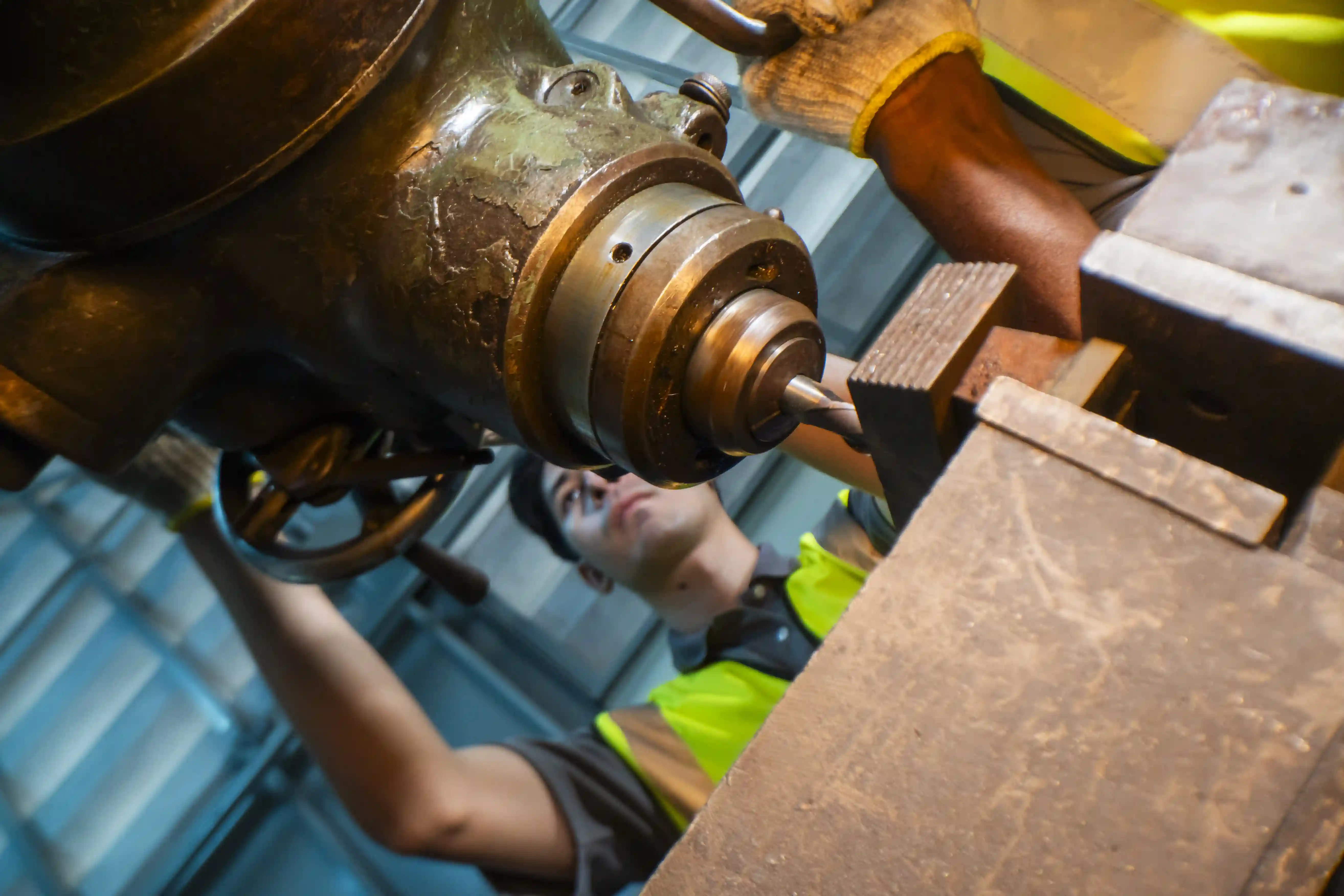
Un soudeur (de première classe) est un artisan qualifié chargé de fabriquer, d'assembler et de réparer des structures métalliques, notamment des structures en fer et en acier, y compris des chaudières, des récipients sous pression, des structures en acier et d'autres navires. Les soudeurs découpent, façonnent, assemblent et réparent les composants métalliques des structures en fer et en acier, des chaudières, des récipients sous pression et des tuyaux, ainsi que des navires et autres embarcations.
Ce poste consiste à utiliser diverses techniques de soudage pour façonner, assembler et/ou réparer des composants métalliques, en veillant à ce que tous les travaux effectués sur les structures, les chaudières, les récipients sous pression, les structures en acier, les réservoirs et les canalisations, les navires et autres embarcations respectent les normes de sécurité et de qualité applicables. Les soudeurs assemblent, soudent et réparent également les récipients sous pression et les canalisations conformément aux normes en vigueur, mettant ainsi en avant leur expertise dans la fabrication et la maintenance complètes de composants métalliques.
Le poste de soudeur (de première classe) relève du code ANZSCO 322313 et est généralement classé au niveau de compétence 3. Ce classement reflète l'exigence d'un diplôme professionnel pertinent et/ou d'une expérience professionnelle significative démontrant des compétences équivalentes aux normes australiennes.
Un soudeur (de première classe) peut être amené à accomplir diverses tâches techniques en fonction de son environnement de travail. Il s'agit généralement d'interpréter des plans techniques, de préparer le matériel de soudage, d'utiliser le matériel de soudage, de réaliser des soudures de précision et d'inspecter les travaux finis afin de s'assurer qu'ils sont conformes aux spécifications requises.
Dans le cadre d'une demande d'immigration, les candidats postulant au poste de soudeur (de première classe) doivent généralement obtenir une évaluation positive de leurs compétences auprès de Trades Recognition Australia (TRA). Cette évaluation confirme que les compétences, les qualifications et l'expérience du candidat répondent aux normes attendues dans le secteur des métiers en Australie.
L'éligibilité à une évaluation des compétences dans le cadre du TRA dépend généralement des diplômes et/ou de l'expérience professionnelle pertinente du candidat. Les candidats doivent démontrer que leur formation et leur parcours professionnel correspondent aux compétences requises pour exercer cette profession en Australie.

Dans le cadre d'une demande d'immigration, les candidats postulant au poste de soudeur (de première classe) doivent généralement obtenir une évaluation positive de leurs compétences auprès de Trades Recognition Australia (TRA). Cette évaluation confirme que les compétences, les qualifications et l'expérience du candidat répondent aux normes attendues dans le secteur des métiers en Australie.
L'éligibilité à une évaluation des compétences dans le cadre du TRA dépend généralement des diplômes et/ou de l'expérience professionnelle pertinente du candidat. Les candidats doivent démontrer que leur formation et leur parcours professionnel correspondent aux compétences requises pour exercer cette profession en Australie.
La procédure d'évaluation TRA peut inclure un examen des diplômes et des justificatifs d'emploi et, dans certains cas, une évaluation pratique ou un entretien technique. Le parcours et les conditions spécifiques dépendent du parcours du candidat et du programme TRA concerné.
Le métier de soudeur (de première classe) figure sur les listes des professions qualifiées concernées, ce qui le rend éligible à diverses voies d'accès au visa, sous réserve des exigences légales.
Le visa de sous-catégorie 189 est un visa permanent attribué sur la base d'un système de points qui ne nécessite pas de parrainage par un employeur, un État ou la famille. Les candidats doivent obtenir un nombre de points suffisant et être invités par le gouvernement australien à déposer leur demande après avoir soumis une déclaration d'intérêt.
Le visa de sous-catégorie 190 nécessite une désignation par le gouvernement d'un État ou d'un territoire australien. Les candidats doivent satisfaire à la fois aux critères généraux d'immigration et aux exigences spécifiques de désignation fixées par l'autorité de désignation.
Le visa de sous-catégorie 491 est un visa provisoire destiné aux candidats désignés par un État ou un territoire, ou parrainés par un membre de leur famille éligible résidant dans une zone régionale désignée. Il offre une voie d'accès à la résidence permanente, sous réserve du respect de certaines conditions supplémentaires.
Des options de visa parrainées par un employeur peuvent être envisagées lorsqu'un employeur australien agréé est disposé à désigner un soudeur (de première classe) pour un poste qui ne peut être pourvu localement. Ces voies d'accès sont soumises à des exigences strictes en matière de parrainage et de conditions d'emploi.
Dans certaines circonstances, d'autres voies d'accès à un visa peuvent être envisageables en fonction du profil individuel du demandeur, notamment des visas temporaires ou liés à la formation. Les conditions d'éligibilité à ces options varient et doivent être évaluées au regard de la législation et de la politique actuelles en matière d'immigration.
Pour les visas soumis à un système de points, les candidats doivent atteindre le seuil minimum de points et obtenir un score compétitif. Les points sont attribués en fonction de critères tels que l'âge, les qualifications, l'emploi qualifié et la maîtrise de l'anglais.
Les demandeurs doivent généralement prouver leur maîtrise de l'anglais au moyen d'un test agréé, sauf en cas d'exemption. Le niveau d'anglais requis peut varier en fonction de la sous-catégorie de visa.
Tous les candidats doivent satisfaire aux exigences australiennes en matière de santé et de moralité. Cela implique notamment de se soumettre à des examens médicaux et de fournir des certificats de casier judiciaire conformément aux critères légaux.

Les soudeurs (de première classe) sont très recherchés dans toute l'Australie, en particulier dans des secteurs tels que la construction, l'industrie manufacturière, l'exploitation minière et le développement des infrastructures. La demande peut être plus forte dans les zones régionales où la pénurie de main-d'œuvre qualifiée est plus marquée.
Les conditions d'emploi et les attentes salariales peuvent varier en fonction de l'expérience, de la région et du secteur d'activité ; les soudeurs qualifiés perçoivent souvent des salaires compétitifs, conformes aux normes du secteur.

Pour présenter une demande d'immigration en tant que soudeur (de première classe), il faut se familiariser avec un ensemble complexe d'exigences en matière d'évaluation des compétences, de critères d'éligibilité au visa et de pièces justificatives.
Les avocats spécialisés en droit de l'immigration en Australie peuvent vous aider à évaluer votre éligibilité, vous conseiller sur la procédure de visa la plus appropriée et préparer un dossier conforme à la législation en vigueur en matière d'immigration. Notre équipe s'attache à constituer des dossiers prêts à être examinés et à anticiper les problèmes potentiels afin de maximiser vos chances d'obtenir une réponse favorable.
Si vous souhaitez émigrer en Australie en tant que soudeur (de première classe), nous vous invitons à contacter Australian Migration Lawyers pour bénéficier de conseils juridiques et d'un accompagnement sur mesure.

Demander un visa pour l'Australie peut s'avérer complexe. Avec l'aide d'un avocat spécialisé dans la migration en Australie, nous pouvons démêler cette complexité et vous aider à demander le bon visa.

Organisez une consultation avec l'un de nos avocats. Vous pouvez nous rencontrer en personne, par Zoom ou par téléphone. Nous vous enverrons ensuite un document confirmant notre engagement à vous représenter.

Nous préparerons des observations écrites à l'appui de votre demande de visa. Elles seront fondées sur votre situation personnelle et étayées par des preuves, le cas échéant.

Nous soumettons votre demande à l'organisme compétent (ministère de l'intérieur, cours ou tribunal). Nous vous tiendrons au courant de l'état d'avancement de votre demande.

Nous vous tiendrons au courant de votre demande et vous informerons du résultat. Si l'issue est défavorable et que nous pouvons présenter une nouvelle demande, nous le ferons !




.jpg)



%20(1).webp)
%20(1).webp)


.jpg)




.jpg)
.jpg)

%20(1)%20(1).webp)
%20(1)%20(1).webp)
.jpg)

%20(1).webp)
%20(1).webp)
%20(1).webp)


.jpg)

%20(3).jpg)

.jpg)



%20(1).webp)

%20(1).webp)




%20(7).jpg)
.jpg)
.jpg)
.jpg)
.png)
.jpg)
Nous offrons des conseils et une assistance professionnels en matière de migration, quel que soit votre lieu de résidence. Ceux qui se trouvent en Australie peuvent nous rencontrer dans l'un de nos bureaux ou en ligne, et pour ceux qui se trouvent à l'étranger, nous sommes à votre disposition en ligne.


Dans la plupart des cas, une évaluation positive des compétences délivrée par Trades Recognition Australia (TRA) est requise pour obtenir un visa de migration qualifiée.
Une qualification professionnelle pertinente, équivalente aux normes australiennes, est généralement privilégiée, bien que l'expérience puisse également être prise en compte selon le parcours d'évaluation.
Dans certains cas, une expérience professionnelle significative et pertinente peut être prise en compte dans le cadre du processus d'évaluation des compétences, en fonction des exigences de la TRA.
Les exigences linguistiques en anglais varient en fonction de la catégorie de visa et de la situation personnelle de chacun. Les demandeurs doivent satisfaire au seuil minimum fixé par la législation en matière d'immigration.
De nombreuses sous-catégories de visas pour travailleurs qualifiés permettent aux demandeurs d'inclure les membres de leur famille éligibles, sous réserve du respect des conditions légales.
Un parrainage par un employeur peut être envisagé si un employeur agréé est en mesure de vous proposer pour un poste adapté, sous réserve que vous remplissiez les conditions requises pour l'obtention du visa.
Le visa de sous-catégorie 190 est un visa permanent qui nécessite une nomination par un État, tandis que le visa de sous-catégorie 491 est un visa régional provisoire pouvant déboucher sur la résidence permanente si certaines conditions sont remplies.
Perry Q Wood est le président sortant de l'Institut australien de droit administratif et l'un des principaux avocats australiens spécialisés dans l'administration, l'immigration et les droits de l'homme.
Décrivez-nous votre situation et l'un de nos avocats spécialisés dans les questions de migration vous contactera dans les plus brefs délais.

%402x.svg)







-p-500.webp)

-p-2000.webp)