オーストラリア最大の独立系移民法専門法律事務所。無料相談をご利用ください(利用規約が適用されます)。
お困りですか?週7日対応いたします。


あなたの状況をお聞かせください。私どもの移民弁護士が折り返しご連絡いたします。
あなたの状況をお聞かせください。私どもの移民弁護士が折り返しご連絡いたします。


2026年 テルストラ・ベスト・オブ・ビジネス・アワード ノミネート



2023-2026年度 最も信頼されるオーストラリア移民法律事務所 受賞

2023年、2024年、2025年の移民法ランキング1位

2023年、2024年、2025年、2026年の移民法専門弁護士ランキングに選出

2024年・2025年 移住に強い法律事務所ランキング

主なポイント
The Australian Government regularly reviews and refreshes the legislative instruments that support the Migration Regulations 1994, and Child visa applications are the latest to be updated. A new instrument has now taken effect governing how certain Child visa applications must be lodged, replacing arrangements that had been in place for around a decade. While the update is procedural rather than a change to visa eligibility, it is still important for anyone preparing or reviewing a Child visa application to understand what has changed and when it applies.
The Migration (Arrangements for Child Visa Applications) Instrument 2026 (LIN 26/081) repeals and replaces the Arrangements for Child Visa Applications 2016/051. The new instrument was made under subregulation 2.07(5) of the Migration Regulations 1994 and sets out the approved form, manner and place for lodging applications for three visa classes, Child (Migrant) (Class AH), Child (Resident) (Class BT), and Extended Eligibility (Temporary) (Class TK).
For Child (Migrant) and Child (Resident) visa applications, the approved form remains Form 47CH. Extended Eligibility (Temporary) (Class TK) visa applications must be made on Form 918. Applications must be lodged either by post, with sufficient pre-paid postage, to the Department of Home Affairs' Child and Other Family Processing Centre in Port Melbourne, Victoria, or by courier service to the Department's Wellington Central address in West Perth, Western Australia.
The instrument also continues an existing restriction concerning overseas adoptions. Pakistan is the only country specified for the purposes of this provision, and no time limitation applies to the relevant adoption period. This means an application for a Child (Migrant) or Child (Residence) visa will not be a valid application where the applicant seeks to satisfy the relevant criteria by relying on an adoption said to have occurred in Pakistan.
The instrument commences on 2 September 2026, the day after its registration on 1 September 2026. From this date, the 2026 instrument is the operative legal authority for the form, manner and place of lodging applications in the three visa classes above, and the 2016 instrument it replaces is repealed in full.
[無料相談]
ビザについての詳しい情報をお知りになりたい方は、オーストラリア移民法弁護士にご相談ください。
[/free_consultation]。
The instrument does not disturb applications that were already in the system before it commenced. A transitional provision specifically preserves the validity of applications lodged under the former 2016 arrangements, so families who submitted their application before 2 September 2026 are not required to resubmit or take any further steps as a result of this change. In practical terms, this means:
From 2 September 2026, anyone preparing a new application in one of the affected visa classes needs to follow the requirements set out in the current instrument rather than the repealed 2016 arrangements. Getting the form, lodgement method or address wrong could put the validity of the application at risk, so it is worth confirming the following before submitting:
[成功事例] [/成功事例]
At Australian Migration Lawyers, we understand that even administrative changes to visa lodgement requirements can create uncertainty for families navigating the Child visa process. Our migration lawyers can review your circumstances, confirm the correct form and lodgement pathway for your application, and help you avoid delays caused by procedural errors. Contact us for a free consultation, available seven days a week.
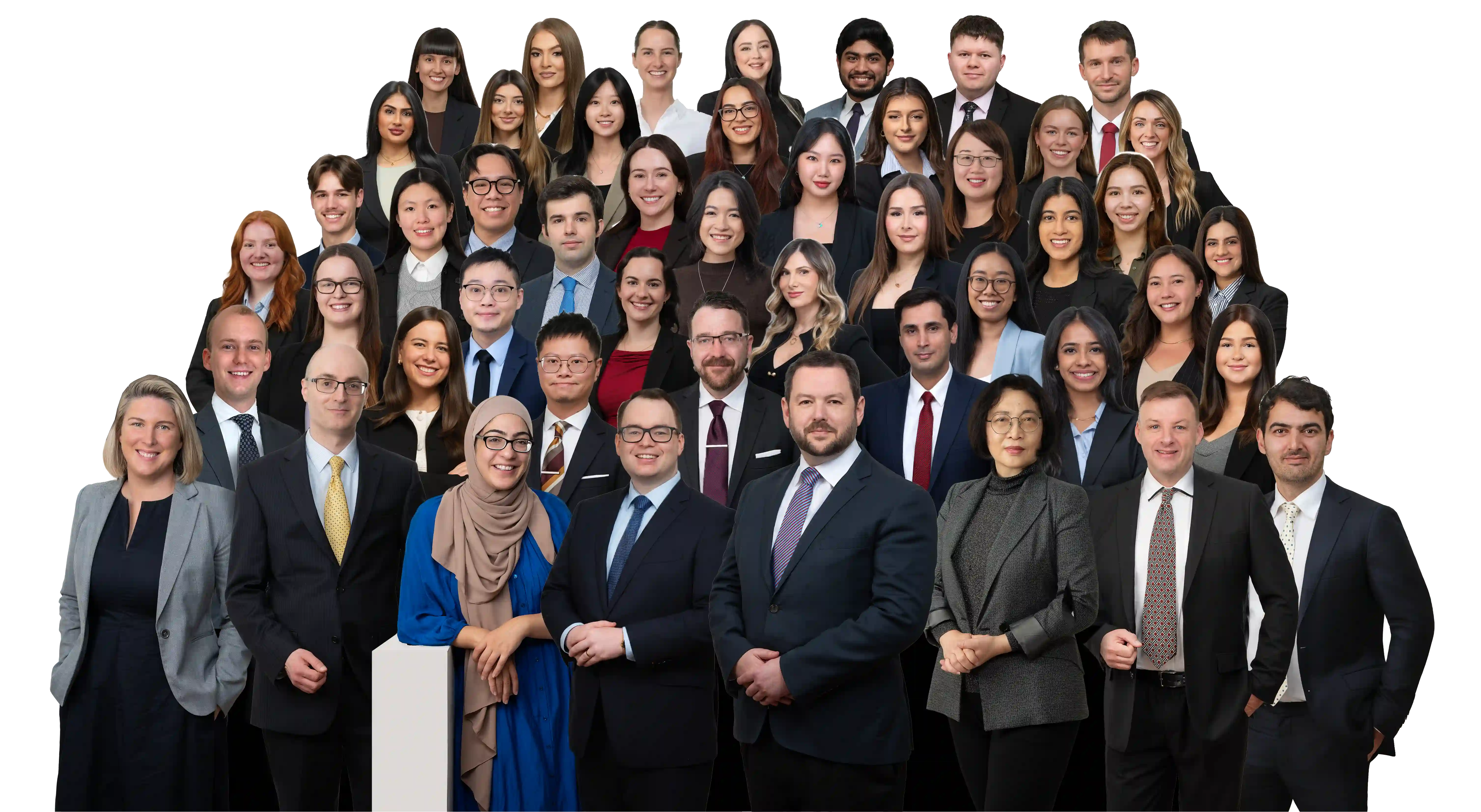
米国法および行政分野で15年の経験を経て、さらにオーストラリアの移民法分野で5年間実務に携わってきたニックは、オーストラリアの移民弁護士としての業務において、複数の法域にまたがる深い法的専門知識を活かしています。
ニックは、フロリダ州立大学で政治学の学士号(2000年)、セント・トーマス大学ロースクールで法学博士号(2004年)、フロリダ州立大学で行政学修士号(2007年)を取得しています。2006年からフロリダ州弁護士会、2007年からコロンビア特別区控訴裁判所会員。2021年にメルボルンに移転する前は、国際的な弁護士として卓越したキャリアを築いてきた。
ラ・トローブ大学およびザ・カレッジ・オブ・ローでオーストラリアの法学課程を修了した後、2022年にビクトリア州最高裁判所よりオーストラリアの弁護士として登録されました。その後、弁護士登録番号5513285を取得し、移民法分野で活動しています。また、ビクトリア州弁護士協会の会員でもあります。
ニックは、移民に関する幅広い事柄について、専門的なアドバイスを提供しています。自身も実際に移民手続きを経験したことから、専門的な知識に加え、クライアントがその過程でどのような体験をするのかについて、真に理解した立場からサポートを行っています。
ニックは、メルボルン、シドニー、ブリスベン、パース、アデレードをはじめ、全豪各地のクライアントに包括的なサポートを提供しています。
彼は行政審査裁判所(ART)における手続きにおいて依頼人を代理し、その裁判所での弁護経験を活かして、複雑かつ争点のある移民問題に取り組んできた。
仕事以外では、ニックは読書や旅行、そしてメルボルンのコーヒー文化を探求することを楽しんでいます。
法的免責事項: Australian Migration Lawyersが公開する記事およびブログ投稿は、あくまで一般的な情報提供を目的としたものであり、移民に関するアドバイスや法的助言を構成するものではありません。本コンテンツを閲覧しても、弁護士と依頼人の関係が生じることはなく、本コンテンツを信頼して行動する場合は、その責任はすべてご自身に帰属します。移民法は頻繁に変更されるため、移民に関する決定や申請を行う前に、ご自身の具体的な状況に合わせた専門的なアドバイスを得るため、オーストラリアの登録弁護士にご相談ください。
お客様の状況をお聞かせください。
お客様の状況をお聞かせください。
移民弁護士に相談する前に、自分の選択肢を把握するのに役立つ、手軽で無料のツール — ビザの費用を見積もったり、永住権のポイントをチェックしたりできます。

内務省が徴収する、雇用主がスポンサーとなるビザ(需要の高い技能(サブクラス482)の指名およびビザ、または雇用主指名制度(サブクラス186))に関する費用(指名料、SAF賦課金、および扶養家族分を含む)を見積もってください。
はじめに
サブクラス189、190、または491のビザ申請にかかる内務省の申請手数料を見積もってください。これには、一緒に申請するパートナーや子供も含まれます。
はじめにお客様の状況をお聞かせいただければ、移民法専門の弁護士ができるだけ早く折り返しご連絡いたします。

%402x.svg)
.svg)










-p-500.webp)
-p-2000.webp)