お困りですか?年中無休で対応いたします

Australia's largest independent migration law firm. Get a FREE Consultation T&C's apply

お困りですか?私どもの弁護士と移住エージェントが週7日体制でお手伝いいたします。

十字記号アイコン
年中無休
スマートフォンのアイコン
1300 150 745

Migration Court Review Lawyers Brisbane

Judicial Review of Migration Decisions in Brisbane Courts

If your visa or migration matter has been refused by the Administrative Review Tribunal (ART), you may still have legal options through a migration court review. Our Brisbane migration court review lawyers provide expert advice on whether a tribunal decision contains a legal error and whether it can be challenged in court. We help prepare judicial review applications, legal arguments, and court representation to make sure your case is properly presented before the Federal Circuit and Family Court of Australia (FCFCOA) or the Federal Court.

「ベスト・ローヤーズ」の
部門で2026年および2027年のランキングに選出


オーストラリア法曹賞の受賞者

2027年 オーストラリアのベスト法律事務所ランキング(

ドイル社の『
』ガイドにおいて、2023年から2026年までの「
」分野における主要な移民法弁護士としてランクイン

チャット・アイコン・グラフィック

コンサルテーションのお申し込み

お客様の状況をお聞かせください。

免責コピー

ありがとうございました!あなたの投稿は受理されました!
おっと!フォームの送信中に何か問題が発生しました。
チャット・アイコン・グラフィック

コンサルテーションのお申し込み

お客様の状況をお聞かせください。

免責コピー

ありがとうございました!あなたの投稿は受理されました!
おっと!フォームの送信中に何か問題が発生しました。

What Is a Migration Court Review?

A migration court review is a legal process where a court examines whether a migration decision was made according to law. Unlike an appeal, the court doesn't reassess the facts of your visa case, and instead focuses on whether a legal error occurred during the decision-making process.

Difference between ART appeals and court reviews
An ART appeal involves a full merits review, where the Tribunal reassesses the facts and the evidence. A court review, by contrast, considers only whether the Tribunal or decision-maker made a legal or procedural error, and this distinction (merits review versus judicial review) matters a great deal in deciding which pathway applies to your case.
Role of the Federal Circuit and Family Court of Australia
The FCFCOA, and in some cases the Federal Court, reviews migration decisions to determine whether a jurisdictional error or other legal mistake occurred. These courts don't substitute their own decision but may set aside an unlawful decision.
Legal grounds required for judicial review
You need to establish that a legal error occurred, such as a breach of procedural fairness, a misinterpretation of the law, or a failure to properly consider relevant evidence.

When Can You Apply for a Migration Court Review?

After an unsuccessful ART appeal

You may apply for a court review if your ART appeal was unsuccessful and you believe the Tribunal made a legal error in its decision.

When there is a legal error in the tribunal decision

Court review is only available where the decision involves a jurisdictional or legal error, not simply because you disagree with the outcome.

When procedural fairness was denied

If you weren't given a fair opportunity to present your case, respond to adverse information, or receive proper notice, you may have grounds for review.

Courts That Handle Migration Judicial Reviews

Federal Circuit and Family Court of Australia (Migration Division)

This court handles most migration judicial review applications, generally as the first level of court review for visa matters, and matters filed here are typically case-managed through the Court's Central Migration Docket before being allocated to a judge.

Federal Court of Australia

The Federal Court hears more complex or significant migration matters, including some appeals from the FCFCOA in certain circumstances.

High Court of Australia (special leave applications)

In rare cases, a migration matter may proceed to the High Court, but only where special leave is granted because of an important legal question, such as a genuinely novel point of statutory interpretation.

Migration Court Review Legal Assistance in Brisbane

Reviewing tribunal decisions for legal errors

We carry out a detailed review of your ART decision, including the written reasons, the hearing transcript where available, and supporting case materials. The focus is on identifying whether the Tribunal made a jurisdictional error, failed to apply the law correctly, overlooked relevant evidence, or relied on an irrelevant consideration. This step matters, since migration court reviews are strictly limited to legal errors rather than a re-hearing of the facts.

Preparing court applications and legal arguments

If legal grounds exist, we prepare and lodge the necessary court documents within strict filing deadlines, including drafting the judicial review application, setting out the specific legal grounds relied on, and preparing supporting affidavits and evidence. We also build structured legal submissions referencing the relevant migration law and case authorities to show how and why the Tribunal's decision should be challenged.

Representation during court hearings

We provide full representation throughout FCFCOA or Federal Court proceedings, including appearing at directions hearings, interlocutory applications, and final hearings. We present oral arguments on your behalf, respond to the Department's submissions, and address any questions raised by the judge, making sure your case is clearly and persuasively presented.

Strategic advice for complex immigration litigation

We provide honest, practical advice on the strengths and weaknesses of your case, including a realistic assessment of your prospects in court. Where appropriate, we also advise on alternative migration pathways available if court action isn't viable or successful, including reapplication options, alternative visa subclasses, or other legal remedies depending on your circumstances and immigration history.

オーストラリア移民法弁護士の違い

Meet With Our Brisbane Migration Court Review Lawyers

At your first meeting, you'll speak directly with a migration lawyer, who will explain how our services work, discuss your options, and guide you through the process. You'll also be given a fixed, upfront fee for ongoing work. Having a clear picture of your options and a structured plan matters when pursuing a visa, permanent residency, or citizenship. We offer flexible payment options, and alongside friendly, in-person support, online appointments are available for your convenience.

Visit us icon

Visit us (by appointment)

レベル4/260 クイーン・ストリート、ブリスベンQLD 4000

電話アイコン

電話

Call us on 1300 207 442

Office hours icon

受付時間

Monday – Friday: 9am – 6pm

Saturday – Sunday: 9am – 1pm

Parking icon

駐車場

クイーンストリートカーパーク(徒歩8分)の安全な駐車場

Payment options icon

支払い方法

Bank transfer, credit card (Mastercard, VISA, or AMEX), 3-6 monthly instalments available in some cases

Visa Services from Trusted Brisbane Migration Lawyers

50年以上

経験年数

成功率100

真摯かつ継続的な配偶者関係に基づくパートナービザについて

経験豊富

審判所や裁判所において依頼人を代理する移民法専門の弁護士および移民代理業者

受賞歴のある

移民弁護士および移民エージェントの第一人者として知られる法律事務所

ブリスベンでの成功事例

各地域の拠点

目的地を探す

オーストラリア全土における専門移民法サービス

当事務所の移民法に関する専門知識は、オーストラリアの首都にお住まいのお客様をサポートするだけではありません。当事務所は、オーストラリア全土の様々な場所で、個人、家族、企業に対して包括的なサポートを提供しています。

または

Migration Court Review Process

1

Reviewing the ART decision for legal errors

We carefully examine the Tribunal's decision to identify any jurisdictional or procedural error that might support a court challenge.

2

Filing a judicial review application in court

If grounds exist, we prepare and lodge the necessary court documents within strict legal time limits, generally 35 days from the date of the decision under Section 477 of the Migration Act 1958.

3

Preparing legal submissions and evidence

We draft detailed legal arguments setting out the errors made in the decision, supported by relevant case law.

4

Court hearings and legal arguments

We represent you in court, presenting arguments and responding to the Department's submissions.

5

Court judgment and possible outcomes

The court may set aside the decision, send the matter back for reconsideration, or dismiss the application.

Legal Grounds for Judicial Review

Jurisdictional error by the tribunal

A jurisdictional error happens when the ART exceeds its legal authority or fails to properly exercise its power under migration law. This can include applying the wrong legal test, misunderstanding the scope of its own decision-making power, or making a finding that isn't legally open on the evidence. Where a jurisdictional error is established, the court may set aside the decision as legally invalid.

Denial of procedural fairness

Procedural fairness, also known as natural justice, requires that you're given a fair and reasonable opportunity to present your case and respond to adverse information before a decision is made. A denial can occur if you weren't properly notified of issues affecting your case, weren't given access to adverse material, or weren't given a meaningful chance to respond. Courts take procedural fairness seriously, and a breach can form strong grounds for judicial review. In rarer cases, a claim of apprehended bias, where a fair-minded observer might reasonably think the decision-maker wasn't impartial, can also support a review application.

Failure to consider relevant evidence

A Tribunal decision may be legally flawed if it fails to properly consider evidence that's relevant and material to the outcome. This doesn't mean the Tribunal has to accept every piece of evidence, but it must genuinely engage with key documents, testimony, or country information that could reasonably affect the decision. Overlooking significant evidence can amount to a legal error.

Incorrect interpretation of the migration law

This ground arises where the Tribunal misapplies, misunderstands, or incorrectly interprets a provision of the Migration Act or its regulations, such as applying the wrong legal threshold or incorrectly assessing eligibility criteria. Where the legal framework is applied incorrectly in a way that affects the outcome, the decision may be open to judicial review.
移民裁判所の審査

Important Deadlines for Migration Court Reviews

Strict time limits apply to migration court review applications. For most matters, an application must generally be filed within 35 days of the date of the decision, under Section 477 of the Migration Act 1958. The court has a discretion to extend this period where it's in the interests of justice to do so, but an extension isn't guaranteed and generally requires a genuine explanation for the delay. Missing the deadline can severely limit your legal options, so it's important to seek advice as early as possible.
Documents Required for a Migration Court Review

ART decision and tribunal records

The written decision and related Tribunal documents are essential for identifying a legal error.

Migration application history

This includes your visa applications, refusals, and appeal records.

Supporting legal documentation

Any evidence relevant to procedural fairness or a legal error should be provided.

Written legal arguments and affidavits

These documents form the basis of your court case and set out the grounds for review.

Possible Outcomes of a Migration Court Review

Court sets aside the tribunal decision

If the court finds that a jurisdictional or legal error occurred, it may set aside (quash) the Tribunal's decision, sometimes granted through the remedy of certiorari, meaning the original decision is legally invalid and no longer stands. This can reopen your migration matter, requiring it to be reconsidered, though the court itself doesn't usually grant a visa — its role is to correct legal errors in the decision-making process.

Court sends the case back for reconsideration

Where a decision is set aside, the court will often remit the matter back to the ART or the original decision-maker for reconsideration, sometimes through an order in the nature of mandamus directing the decision-maker to properly perform their duty. This means your case is decided again, this time in line with the law as clarified by the court. The outcome isn't guaranteed, but the decision must be made again free from the legal error identified.

Court dismisses the application

If the court finds that no jurisdictional or legal error has been proven, the application is dismissed, and the original Tribunal decision remains in effect. This outcome means the court is satisfied the decision was made lawfully, even if the result is unfavourable, and in most cases this brings the judicial review process to an end, subject to any further limited appeal rights.

Risks and Considerations in Migration Court Litigation

Legal costs and court fees

Court proceedings can involve significant legal and filing costs, depending on complexity.

Risk of losing the case

If unsuccessful, you may need to comply with the original visa refusal outcome.

Importance of strong legal grounds

Court reviews only succeed where a clear legal error can be demonstrated.

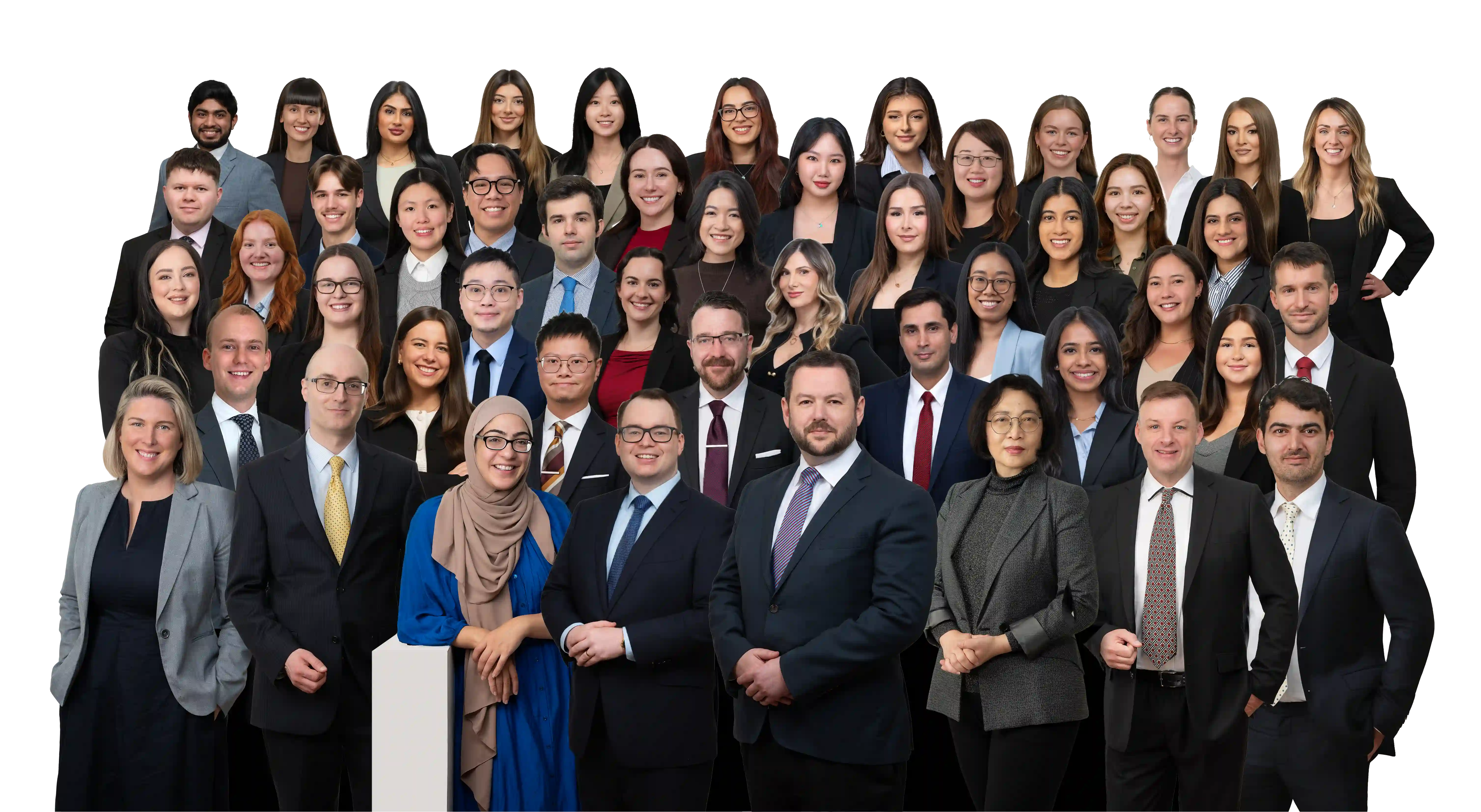
オーストラリア移民法弁護士チーム

Costs Involved in a Migration Court Review

Federal court filing fees

Effective from 1 July 2026, filing a migration application with the FCFCOA costs AUD $4,180, with a reduced fee of AUD $2,090 available where a Registrar or authorised officer determines you're eligible. Once a matter is set down for hearing, a setting-down fee of AUD $1,035 applies (individuals) or AUD $2,495 (corporations), and a daily hearing fee of the same amount applies for each hearing day after the first. A reduced fee may also apply on financial hardship or concession-card grounds.

Legal representation and litigation costs

Costs vary depending on case complexity and the level of court involvement.

Additional legal preparation expenses

These may include document preparation, affidavits, and expert legal submissions.

Why Choose Our Brisbane Migration Court Review Lawyers

We provide experienced legal representation in migration litigation matters, including judicial review applications before the FCFCOA and, where relevant, the Federal Court. Our approach focuses on identifying legal errors, building strong arguments, and guiding clients through complex court processes. We offer clear advice on your prospects, the risks involved, and alternative visa pathways where appropriate.


移民裁判所の審査
移民裁判所の審査

FCFCOA Brisbane Registry

Migration matters for Brisbane and Queensland are generally heard at the Harry Gibbs Commonwealth Law Courts, 119 North Quay (corner of Tank Street), Brisbane QLD 4000. This is the Court's own registry, not an Australian Migration Lawyers office. Our Brisbane migration lawyers can represent you in proceedings at this registry, including filing, directions hearings, and final hearings.

ブリスベンで数々の賞を受賞した移民法専門弁護士

当事務所のブリスベンオフィスは、全国的に認められた移民法に関する専門知識を、ブリスベンおよびクイーンズランド州のお客様へ直接提供しています。以下に挙げるすべての受賞歴は、同業者による評価、お客様からのフィードバック、職場監査など、独立した審査を通じて獲得したものです。ブリスベンの当事務所の移民法専門弁護士にご依頼いただくことは、その品質が外部から検証された法律事務所と提携することを意味します。

2027
|
ベスト・ローヤーズ
オーストラリアのベスト・ローヤーズ™ 移民法

ペリー・Q・ウッド氏は、『2027年版 Best Lawyers in Australia™』の移民法部門において選出されました。このランキングは、同分野のベテラン弁護士による秘密厳守のピアレビューを通じてのみ決定されます。同誌は、世界的に権威ある法律専門ガイドブックとして知られています。

続きを読む
2027
|
ベスト・ローヤーズ
オーストラリアのトップ法律事務所

「Australian Migration Lawyers」は、Best Lawyersによる『2027年版 ベスト・ロー・ファームズ(オーストラリア版)』に選出されました。同ランキングは、クライアントからのフィードバック、同業者による推薦、および市場における総合的な評価に基づいて決定されます。この選出は、当事務所が移民法分野において、全国レベルで最高水準の法的サービスを提供していることを裏付けるものです。

続きを読む
2026
|
ドイルのガイド
移民法の第一人者

ペリー・Q・ウッド氏は、『ドイルズ・ガイド2026』において、ビクトリア州の「トップ移民法弁護士」に選出されました。『ドイルズ・ガイド』への4年連続の掲載は、オーストラリアの移民法分野における卓越した実績と同業者からの高い評価が、長年にわたり確かなものとして認められていることを示しています。

続きを読む

Costs involved when applying for an Australian visa in Brisbane

The government costs vary for each visa type, and you also need to factor in the cost of living while you await the outcome of your visa application. Consulting a reliable Brisbane immigration lawyer can clarify details relating to specific visas and guide you on professional fees, Department of Home Affairs fees and other associated costs.

予約相談

ブリスベンにある当社の専門家チームをご紹介します

ブリスベン事務所の移民法専門弁護士は、予約制で週7日、当事務所にてご相談を承っております。当事務所にご依頼いただければ、初回相談から案件の解決に至るまで、弁護士が直接対応いたします。
ニール・ウィリアムズ ヘッドショット
ジョシュア・コールソンの顔写真

ブリスベンにおける移住の歴史

ブリスベンの移民の歴史は19世紀半ばにまでさかのぼります。当時、イギリスやアイルランドからの自由入植者や政府支援を受けた移民たちが、クイーンズランドを独立した植民地として開拓しました。第二次世界大戦後は、イタリア、ギリシャ、東ヨーロッパから大規模な移民の波が押し寄せ、その多くがブリスベンの都心近郊に定住し、同市の経済成長に貢献しました。続きを読む

1970年代以降、「ホワイト・オーストラリア政策」の撤廃により、ブリスベンはアジア、太平洋地域、中東からの移民を受け入れるようになった。現在、ブリスベンはオーストラリアで最も急成長している都市の一つであり、多様で拡大を続ける移民人口が、2032年オリンピック開催を控え、同市の文化、労働力、地域社会を形作り続けている。続きを隠す

ブリスベンの移民の歴史は19世紀半ばにまでさかのぼり、当時、イギリスやアイルランドからの自由入植者や政府支援を受けた移民たちが、クイーンズランドを独立した植民地として築き上げました。第二次世界大戦後は、イタリア、ギリシャ、東ヨーロッパから大規模な移民の波が押し寄せ、その多くがブリスベンの都心近郊に定住し、同市の経済成長に貢献しました。

1970年代以降、「ホワイト・オーストラリア政策」の撤廃により、ブリスベンはアジア、太平洋地域、中東からの移民を受け入れるようになった。今日、ブリスベンはオーストラリアで最も急成長している都市の一つであり、多様で拡大を続ける移民人口が、2032年オリンピック開催を控え、同市の文化、労働力、地域社会を形作り続けている。


オーストラリア全土でLGBTIQ+ビザを扱った経験があります。

FAQs About Migration Court Reviews Brisbane

It's a legal process where a court reviews whether a migration decision involved a legal or procedural error, rather than reassessing the facts of your case as an ART appeal would.

Strict time limits apply, generally 35 days from the date of the decision under Section 477 of the Migration Act, with a limited possibility of an extension where it's in the interests of justice.

Generally, courts focus on legal errors rather than new factual evidence, since a court review isn't a fresh assessment of the facts in the way an ART appeal is.

Timelines vary, but a case can take several months to resolve, depending on complexity and the court's schedule.

A merits review at the ART reassesses the facts and evidence afresh. A court review only considers whether a legal error, such as a jurisdictional error or a breach of procedural fairness, occurred in how the decision was made.

Legal representation is strongly recommended, given the technical nature of migration law and court procedure.

This page provides general legal information, not legal advice, and doesn't take into account your individual circumstances. If your situation is time-sensitive, we'd encourage you to book a consultation with our team as soon as possible to get advice specific to you.

コンテンツ作成者について

ペリー・Q・ウッド

ペリー・Q・ウッドはオーストラリア行政法学会の前会長であり、オーストラリアを代表する行政・移民・人権弁護士。

無料相談をお申し込みください

お客様の状況をお聞かせいただければ、すぐに移民弁護士からご連絡させていただきます。