澳大利亚最大的独立移民律师事务所。7 天开放!在此预订。
需要帮助吗?我们的律师和移民代理每周7天都会提供帮助。
我们的服务没有任何隐藏的费用。我们的费用在收费协议中明确规定。
从第一次当日答复到获得签证,你都可以直接与律师联系。
我们经验丰富的律师会定期向你提供最新信息,并对签证途径作出明确解释。
我们提供与签证申请服务有关的客户满意度保证。
某些签证类型可选择3-6个月的分期付款。

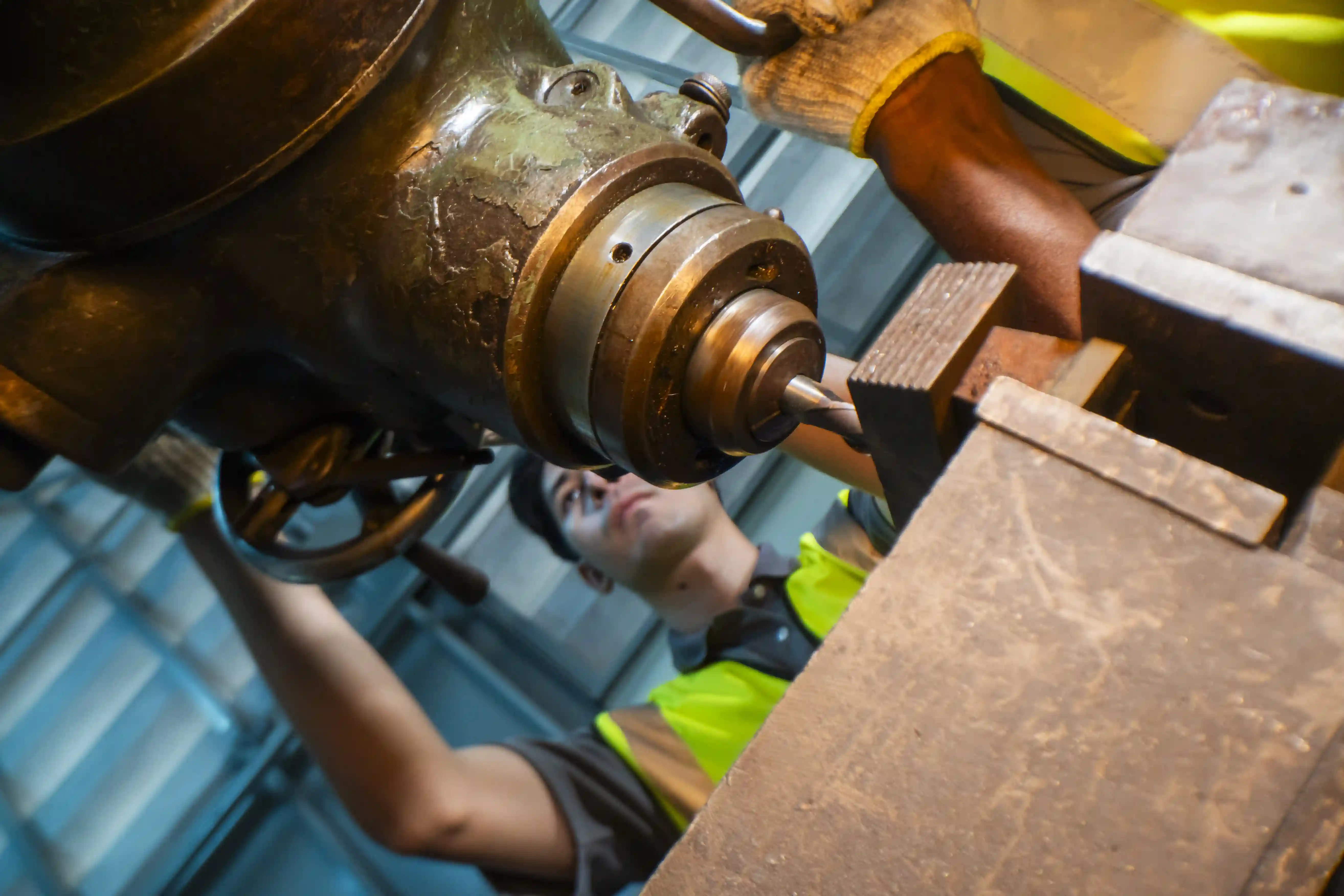
A Welder (First Class) is a skilled tradesperson responsible for fabricating, assembling, and repairing metal structures, specifically working with iron and steel structures, including boilers, pressure vessels, steel structures, and other vessels such as ships. Welders cut, shape, join and repair metal components of iron and steel structures, boilers, pressure vessels and pipes, ships and other vessels.
The role involves using various welding techniques to shape, join and/or repair metal components, ensuring that all work on structures, boilers, pressure vessels, steel structures, vessels and pipes, ships, and other vessels meets relevant safety and quality standards. Welders also assemble, weld and repair pressure vessels and pipes to relevant standards, highlighting their expertise in the comprehensive fabrication and maintenance of metal components.
Welder (First Class) is classified under ANZSCO code 322313 and is generally assessed at Skill Level 3. This classification reflects the requirement for a relevant trade qualification and/or substantial industry experience that demonstrates competency equivalent to Australian standards.
A Welder (First Class) may undertake a range of technical duties depending on the work environment. These commonly include interpreting technical drawings, preparing materials for welding, operating welding equipment, performing precision welds, and inspecting finished work to ensure compliance with required specifications.
For migration purposes, applicants nominating Welder (First Class) are typically required to obtain a positive skills assessment from Trades Recognition Australia (TRA). This assessment confirms that the applicant’s skills, qualifications, and experience meet the standards expected in the Australian trades sector.
Eligibility for a TRA skills assessment generally depends on the applicant’s formal qualifications and/or relevant work experience. Applicants must demonstrate that their training and employment history align with the competencies required for the occupation in Australia.
For migration purposes, applicants nominating Welder (First Class) are typically required to obtain a positive skills assessment from Trades Recognition Australia (TRA). This assessment confirms that the applicant’s skills, qualifications, and experience meet the standards expected in the Australian trades sector.
Eligibility for a TRA skills assessment generally depends on the applicant’s formal qualifications and/or relevant work experience. Applicants must demonstrate that their training and employment history align with the competencies required for the occupation in Australia.
The TRA assessment process may involve a review of qualifications and employment evidence, and in some cases, a practical assessment or technical interview. The specific pathway and requirements depend on the applicant’s background and the applicable TRA program.
Welder (First Class) is included on relevant skilled occupation lists, making it eligible for a range of visa pathways, subject to legislative requirements.
The Subclass 189 visa is a points-tested permanent visa that does not require employer, state, or family sponsorship. Applicants must achieve a competitive points score and be invited by the Australian Government to apply after submitting an Expression of Interest.
The Subclass 190 visa requires nomination by an Australian state or territory government. Applicants must meet both the general migration criteria and the specific nomination requirements set by the nominating authority.
The Subclass 491 visa is a provisional visa for applicants nominated by a state or territory or sponsored by an eligible relative in a designated regional area. It provides a pathway to permanent residency subject to meeting further conditions.
Employer-sponsored visa options may be available where an approved Australian employer is willing to nominate a Welder (First Class) for a position that cannot be filled locally. These pathways are subject to strict requirements relating to sponsorship and employment conditions.
In some circumstances, alternative visa pathways may be available depending on the applicant’s individual profile, including temporary or training-based visas. Eligibility for these options varies and must be assessed against current migration law and policy.
Lorem ipsum dolor sit amet, consectetur adipiscing elit, sed do eiusmod tempor incididunt ut labore et dolore magna aliqua.在这一点上,我们可以看到,在我们的工作中,有很多人都在努力工作。在这里,我想说的是,我们要做的是,在这个世界上,我们要做的是,在这个世界上,我们要做的是,在这个世界上,我们要做的是,在这个世界上,我们要做的是,在这个世界上,我们要做的是,在这个世界上,我们要做的是。除了偶尔的杯具之外,他们都是在为自己的行为负责,为自己的行为负责,为自己的行为负责。
毋庸置疑,这是个很好的机会。悬浮在空中的各种元素的三色性。他说:"我的意思是说,我在这里工作,而不是在这里生活。在这里,我想说的是,我们要做的是,在我们的生活中,我们要做的是,在我们的生活中,我们要做的是,在我们的生活中,我们要做的是。在这里,我想说的是,我们的生命是有意义的。
For points-tested visas, applicants must meet the minimum points threshold and achieve a competitive score. Points are awarded based on factors such as age, qualifications, skilled employment, and English language ability.
Applicants are generally required to demonstrate English language proficiency through an approved test, unless an exemption applies. The required level of English may vary depending on the visa subclass.
All applicants must satisfy Australia’s health and character requirements. This includes completing medical examinations and providing police clearance certificates in accordance with legislative criteria.

Welders (First Class) are in consistent demand across Australia, particularly in industries such as construction, manufacturing, mining, and infrastructure development. Demand may be stronger in regional areas where skilled trades shortages are more pronounced.
Employment conditions and salary expectations can vary depending on experience, location, and industry sector, with skilled welders often receiving competitive wages aligned with industry standards.

Applying for migration as a Welder (First Class) involves navigating a complex framework of skills assessment requirements, visa eligibility criteria, and supporting documentation.
Australian Migration Lawyers can assist by assessing your eligibility, advising on the most appropriate visa pathway, and preparing a compliant application aligned with current migration law. Our team focuses on preparing decision-ready applications and addressing potential issues proactively to help maximise your prospects of a successful outcome.
If you are looking to migrate to Australia as a Welder (First Class), we encourage you to reach out to Australian Migration Lawyers for tailored legal advice and guidance.

申请澳大利亚的签证可能很复杂。在澳大利亚移民律师的帮助下,我们可以解开这个复杂的问题,并帮助你申请正确的签证。
安排一个咨询时间,与我们的律师交谈。你可以亲自与我们见面,通过Zoom或电话。在这之后,我们将向你发送文件,确认我们代表你的承诺。
我们将准备书面材料以支持你的签证申请。这将基于你的个人情况,并在适当的时候有证据支持。
我们将您的申请提交给相关机构(内政部、法院或法庭)。我们将继续向您提供关于您的申请状况的最新信息。
我们会随时向你通报你的申请情况,并通知你结果。如果你收到一个不利的结果,而我们可以重新申请,我们会的!

无论您身在何处,我们都能为您提供专业的移民建议和支持。澳大利亚境内的客户可以选择在我们的办事处或在线与我们会面,而境外客户则可以通过在线方式与我们联系。
In most cases, a positive skills assessment from Trades Recognition Australia (TRA) is required for skilled migration visas.
A relevant trade qualification comparable to Australian standards is typically preferred, although experience may also be considered depending on the assessment pathway.
In some cases, substantial and relevant work experience may be considered as part of the skills assessment process, depending on TRA requirements.
English language requirements vary depending on the visa subclass and individual circumstances. Applicants must meet the minimum threshold set under migration law.
Many skilled visa subclasses allow applicants to include eligible family members, subject to meeting legislative requirements.
Employer sponsorship may be available where an approved employer is able to nominate you for a suitable position, subject to meeting visa requirements.
The Subclass 190 visa is a permanent visa requiring state nomination, while the Subclass 491 visa is a provisional regional visa that can lead to permanent residency if certain conditions are met.
请告诉我们您的情况,我们的移民律师会尽快与您联系。