Australia's largest independent migration law firm. Get a FREE Consultation T&C's apply
お困りですか?私どもの弁護士と移住エージェントが週7日体制でお手伝いいたします。


あなたの状況をお聞かせください。私どもの移民弁護士が折り返しご連絡いたします。
あなたの状況をお聞かせください。私どもの移民弁護士が折り返しご連絡いたします。


2026年 テルストラ・ベスト・オブ・ビジネス・アワード ノミネート

医療系正看護師としてオーストラリアへの移住を検討されている方は、移住手続きには、移住要件、技能評価、および専門職登録要件をすべて満たす必要があることをご承知おきください。
オーストラリアでは、すべての正看護師の職務について、登録または免許の取得が義務付けられています。
この職種には、正式な資格、具体的には学士号が必要です。「登録看護師(医療)」のANZSCOスキルレベルはレベル1であり、これは学士号またはそれ以上の資格に相当します。「登録看護師(医療)」の職種群に属する職種には、学士号またはそれ以上の資格に相当する技能レベルが求められます。
これらの手続きは、オーストラリアの移民法および関連する規制機関によって定められており、法令を遵守し、審査に備えて万全な申請書類を作成するためには、慎重に進める必要があります。
オーストラリア移民弁護士の法律専門家たちは、豊富な専門知識と確かな実績を活かし、複雑な法的手続きや行政手続きを確実にナビゲートし、お客様が望ましい結果を得られるようサポートいたします。

「ベスト・ローヤーズ」の
部門で2026年および2027年のランキングに選出
.png)
オーストラリア法曹賞の受賞者
.webp)
2027年 オーストラリアのベスト法律事務所ランキング(
)

ドイル社の『
』ガイドにおいて、2023年から2026年までの「
」分野における主要な移民法弁護士としてランクイン
お客様の状況をお聞かせください。
お客様の状況をお聞かせください。


私たちのサービスには隠れた費用はありません。私たちの料金は、料金契約書に明確に記載されています。

最初の即日対応からビザの発給まで、直接弁護士にご相談いただけます。

経験豊富な弁護士が定期的に最新情報を提供し、ビザの経路について分かりやすく説明します。

私たちは、ビザ申請サービスに関して、お客様の満足度を保証します。

ビザの種類によっては3~6ヶ月の分割払いも可能。

「登録看護師(内科)」は、ANZSCOコード254418に分類されます。この職種は、ANZSCOスキルレベル1に分類されるユニットグループ2544「登録看護師」に属します。このスキルレベルは、学士号以上の資格に相当します。 「登録看護師(医療)」とは、主に病院や医療施設において、一般的な疾患を持つ患者に対して臨床ケアを提供する看護師を指し、移民審査に使用される関連する熟練職業リストに掲載されています。
正看護師(医療)は、一般的に、確立された臨床基準に従って患者ケアを行う責任を負っています。 正看護師(医療)は、患者やその家族に対して看護ケアや健康相談を行い、治療計画に関する指導や健康教育を推進します。また、他の医療従事者と連携し、患者の自立を支援し、適切なタイミングでサービスを受けられるよう手配することで、患者ケアを円滑に進めます。主な職務には、患者の状態評価、投薬、ケアプランの調整、経過観察、および多職種からなる医療チームとの連携が含まれます。
患者やチームメンバーとのやり取りには、効果的な口頭および書面によるコミュニケーション能力が不可欠であり、正看護師(医療)は、准看護師や若手医療従事者の指導も行います。この職務には、高度な臨床能力、倫理的な実践、およびオーストラリアの医療規制の遵守が求められます。
移民申請において、登録看護師(医療)として申請する者は、オーストラリア看護・助産認定評議会(ANMAC)による技能評価で「合格」の判定を受けなければなりません。この評価は、申請者の資格および経験がオーストラリアの基準を満たしていることを確認するものであり、ほとんどの技能ビザのサブクラスにおいて必須の要件となっています。

移民申請において、登録看護師(医療)として申請する者は、オーストラリア看護・助産認定評議会(ANMAC)による技能評価で「合格」の判定を受けなければなりません。この評価は、申請者の資格および経験がオーストラリアの基準を満たしていることを確認するものであり、ほとんどの技能ビザのサブクラスにおいて必須の要件となっています。
ANMACは、学歴、登録状況、場合によっては職歴など、いくつかの要素に基づいて申請者を審査します。申請者は、自身の看護資格がオーストラリアの基準と同等であり、関連する能力要件を満たしていることを証明しなければなりません。また、英語能力も審査基準の一部となる場合があります。
移住者向け技能評価に加え、正看護師は、オーストラリアで合法的に業務を行う前に、オーストラリア医療従事者規制庁(AHPRA)への登録を取得しなければなりません。正看護師として業務を行うには登録または免許が必要であり、その管理はオーストラリア看護師・助産師委員会が行っています。この手続きには、資格の確認、英語力の基準を満たすこと、および専門的・倫理的要件を満たすことが含まれます。
オーストラリアは、英語能力および実務経験の鮮度を条件として、海外の有資格看護師、特に特定の同等な法域(英国、カナダ、米国など)出身の看護師を支援するための簡素化された手続きを導入しました。

正看護師(医療分野)は、法的な要件および招待基準を満たすことを条件として、いくつかの熟練移民ビザの申請資格を有しています。
サブクラス189ビザは、州政府や雇用主によるスポンサーシップを必要としない、ポイント制に基づく永住ビザです。申請者は、SkillSelectを通じて「関心表明(Expression of Interest)」を提出し、所定のポイント数を満たした上で、内務省から申請招待状を受け取る必要があります。
サブクラス190ビザの申請には、オーストラリアの州または準州政府による指名が必要です。申請者は、一般的な熟練移民の基準を満たすことに加え、該当する管轄区域の特定の指名要件も満たさなければなりません。
サブクラス491ビザは、州または準州から指名を受けた申請者、あるいは指定された地方地域に居住する適格な親族からスポンサーを受けた申請者を対象とした暫定ビザです。このビザは、一定の要件を満たすことを条件に、永住権への道を開くものです。
オーストラリアの雇用主が、現地で人材を確保できない職位について、登録看護師(医療)を指名する意思がある場合、雇用主がスポンサーとなるビザの選択肢が利用可能となる場合があります。これらのビザは、スポンサーシップ、指名、および雇用条件に関する厳格な法的要件の対象となります。
状況によっては、大学院生ビザや研修ビザが、オーストラリアでの実務経験を積んだり、指導付き研修を修了したりしたい看護師にとって、一時的な手段となる場合があります。ただし、これらの選択肢は一般的に限られており、個人の資格要件によって異なります。

志願者は、オーストラリアの看護基準と同等と認められる資格を保有し、ANMACによる技能評価で合格判定を得なければなりません。登録看護師になるには、通常、大学で看護学の学士号を取得する必要があります。 看護学学士課程への入学には、通常、シニア・セカンダリー・サーティフィケート・オブ・エデュケーション(高校卒業資格)の取得が必要であり、英語、数学、生物学、物理学、化学のうち1つ以上の科目を履修していることが一般的に求められます。学士号以上の正式な資格の関連性やレベルは、移住要件を満たす上で極めて重要な要素となります。
ポイント制ビザの場合、申請者は最低ポイント基準を満たし、年齢、学歴・資格、職務経験、英語力などの要素に基づいて競争力のあるスコアを獲得する必要があります。必要なポイントは、招待ラウンドや職業の需要によって異なる場合があります。
申請者は、免除対象でない限り、認定された試験方法を通じて所定の英語能力レベルを証明する必要があります。必要なスコアは、ビザのサブクラスや登録要件によって異なる場合があります。
すべての申請者は、健康診断の受診や犯罪経歴証明書の提出など、オーストラリアの健康および品行に関する要件を満たさなければなりません。これらの要件は、法的基準および政策指針に基づき審査されます。
オーストラリア全土、特に公立病院、民間医療施設、および地方地域において、正看護師(医療系)への需要は引き続き高い水準にあります。 正看護師(医療)は、高齢者向け居住型介護施設、地域医療、その他の医療施設など、医療、高齢者ケア、地域社会の幅広い現場で活躍しています。また、病院や地域社会の両方において、高齢者ケアや地域医療分野の正看護師に対する需要も高いです。医療分野では人材不足が続いているため、雇用見通しは概ね良好です。
給与の相場は、経験、勤務地、雇用主によって異なりますが、看護師は通常、業界の賃金協定や企業協定に沿った競争力のある報酬を得ています。
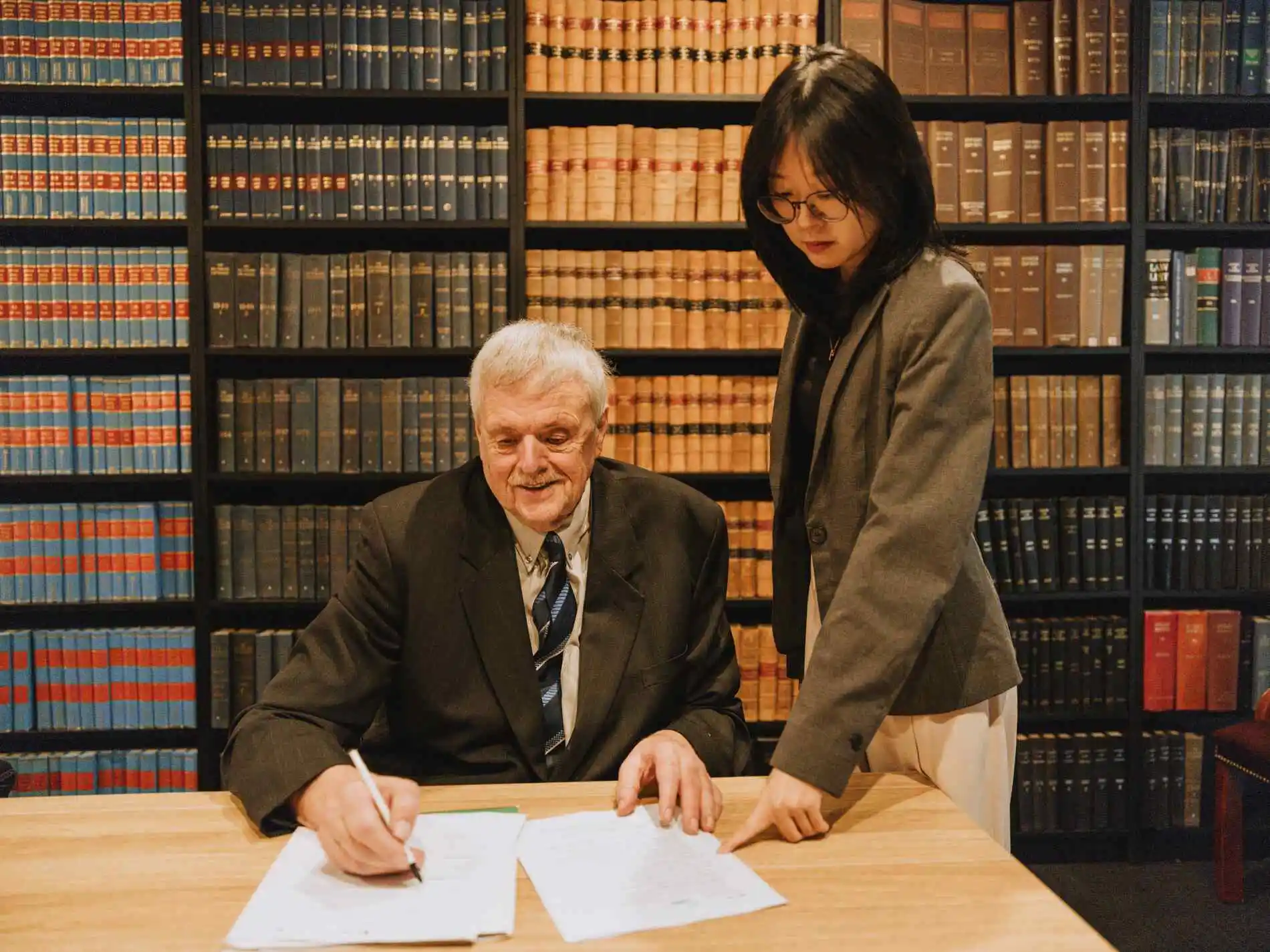
正看護師(医療)として移住手続きを進めるには、技能評価、登録、ビザの取得要件など、さまざまな法的および規制上の要件を満たす必要があります。
オーストラリアの移民弁護士は、要件を満たした申請書の作成、各種ビザの申請要件の評価、および手続き中に生じうる複雑な問題への対応について、適切なアドバイスを提供いたします。当チームは、現行の移民法および政策に準拠し、審査に直ちに対応可能な申請書類を作成することで、お客様の申請が承認される可能性を最大限に高めるよう努めております。
医療系正看護師としてオーストラリアへの移住をご検討中の方は、オーストラリアの移民専門弁護士に連絡し、個々の状況に合わせた法的アドバイスやサポートを受けることをお勧めします。
オーストラリアへのビザ申請は複雑です。オーストラリア移民弁護士によるサポートがあれば、この複雑な手続きを解きほぐし、適切なビザの申請をお手伝いします。

当事務所の弁護士との面談をご希望の方は、ご相談日時をご予約ください。直接お会いするか、Zoomまたはお電話でご相談ください。その後、代理人としての契約を確認する書類をお送りします。

ビザ申請をサポートするための提出書類を作成します。これは、個々の状況に基づき、適切な場合には証拠によって裏付けされます。

関係機関(内務省、裁判所、審判所)に申請書を提出します。申請状況については、引き続きお知らせいたします。

私たちは、あなたの申請についてお知らせし、結果を通知します。不利な結果を受け、再申請が可能な場合は、再申請いたします!




.jpg)



%20(1).webp)
%20(1).webp)


.jpg)




.jpg)
.jpg)

%20(1)%20(1).webp)
%20(1)%20(1).webp)
.jpg)

%20(1).webp)
%20(1).webp)
%20(1).webp)


.jpg)

%20(3).jpg)

.jpg)



%20(1).webp)

%20(1).webp)




%20(7).jpg)
.jpg)
.jpg)
.jpg)
.png)
.jpg)
私たちは、あなたのお住まいがどこであろうと、専門的な移住のアドバイスとサポートを提供します。オーストラリア国内にお住まいの方は、弊社オフィスまたはオンラインにてご相談いただけます。

ほとんどの場合、この職種で熟練移民ビザを申請するには、ANMACによる技能評価で「合格」の判定を受ける必要があります。
はい。オーストラリアで看護師として勤務するには、通常、AHPRAへの登録が必要です。
必要な英語スコアの基準は、移住要件と登録要件の両方に依存します。ビザのサブクラスや規制機関によって、基準値が異なる場合があります。
多くの技能ビザのサブクラスでは、法的な要件を満たすことを条件に、申請者が対象となる家族を申請に含めることができます。
海外での熟練職としての就労は、関連する基準を満たし、同等のものと認められた場合、ポイントの算定に寄与する可能性があります。
技能評価では、あなたの資格が移住基準を満たしているかどうかが審査されます。一方、登録(AHPRAを通じて)は、あなたがオーストラリアで看護師として業務を行う資格があるかどうかを決定するものです。
認定された雇用主が、ビザの要件を満たすことを条件として、適切な職位にあなたを指名できる場合、雇用主によるスポンサーシップが利用可能となる場合があります。
ペリー・Q・ウッドはオーストラリア行政法学会の前会長であり、オーストラリアを代表する行政・移民・人権弁護士。
お客様の状況をお聞かせいただければ、すぐに移民弁護士からご連絡させていただきます。

%402x.svg)








-p-500.webp)

-p-2000.webp)